
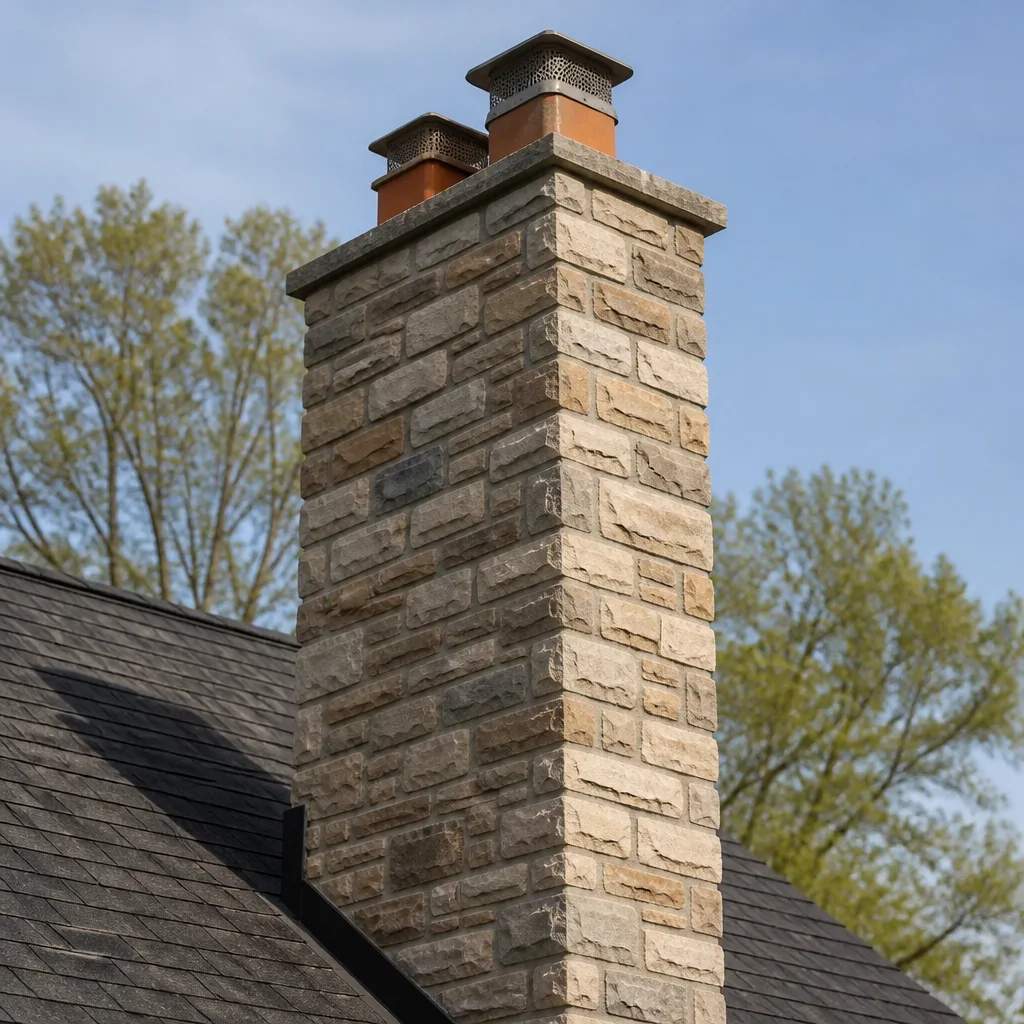
 Masonry repair
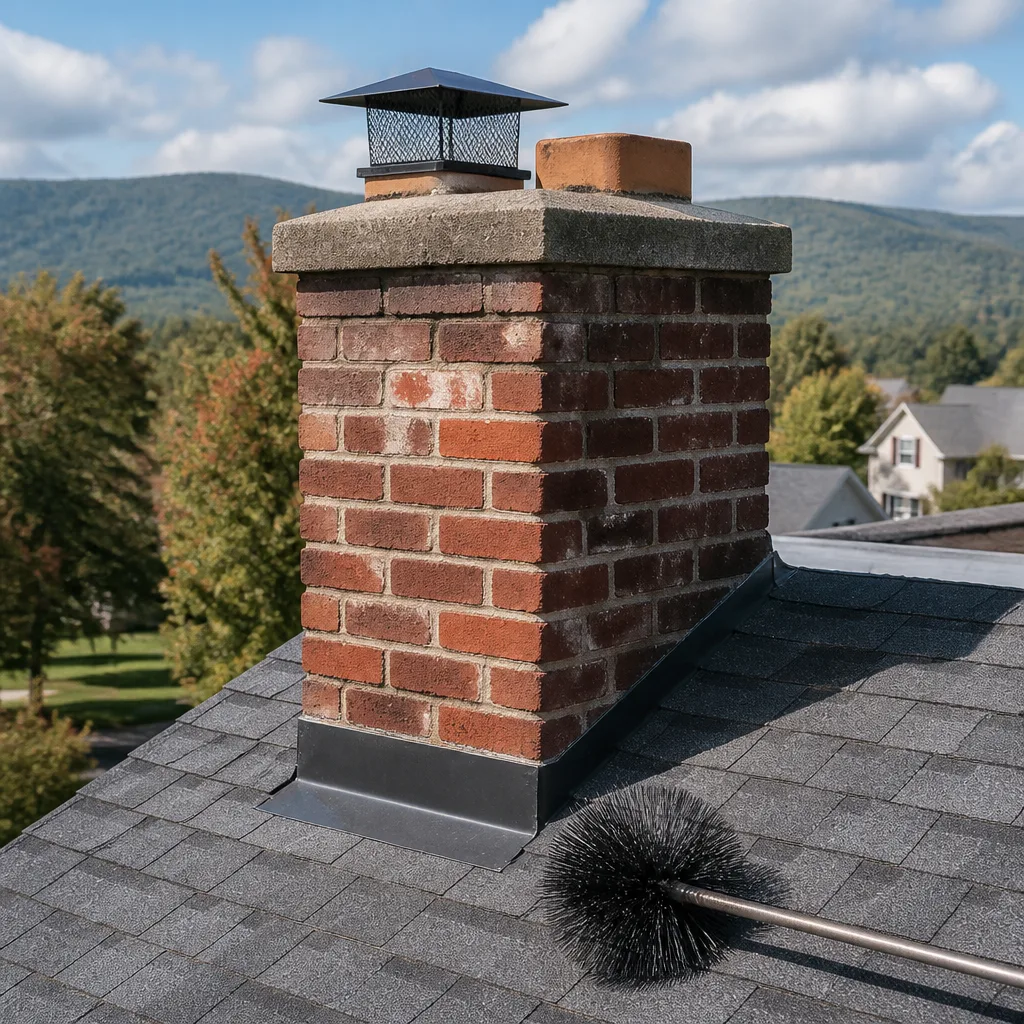 Sweep & inspection
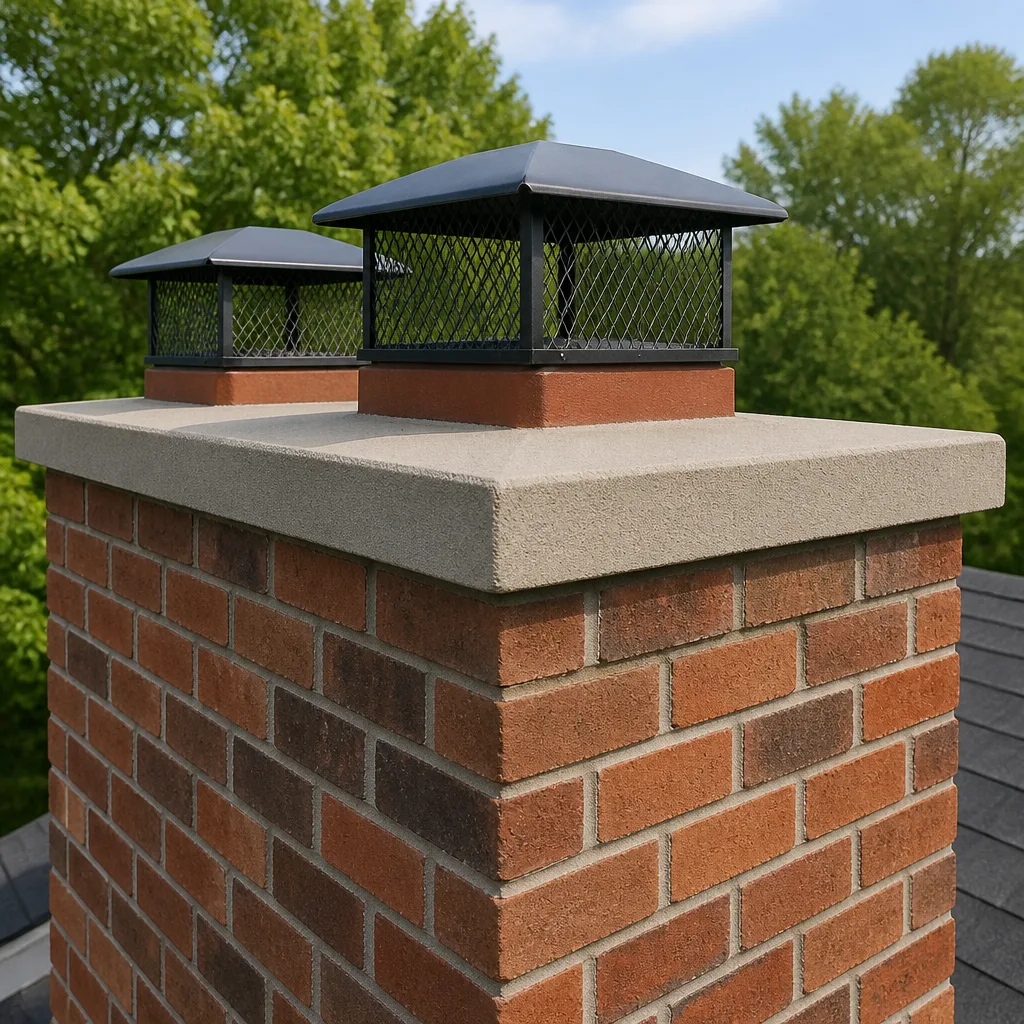 Caps & crowns
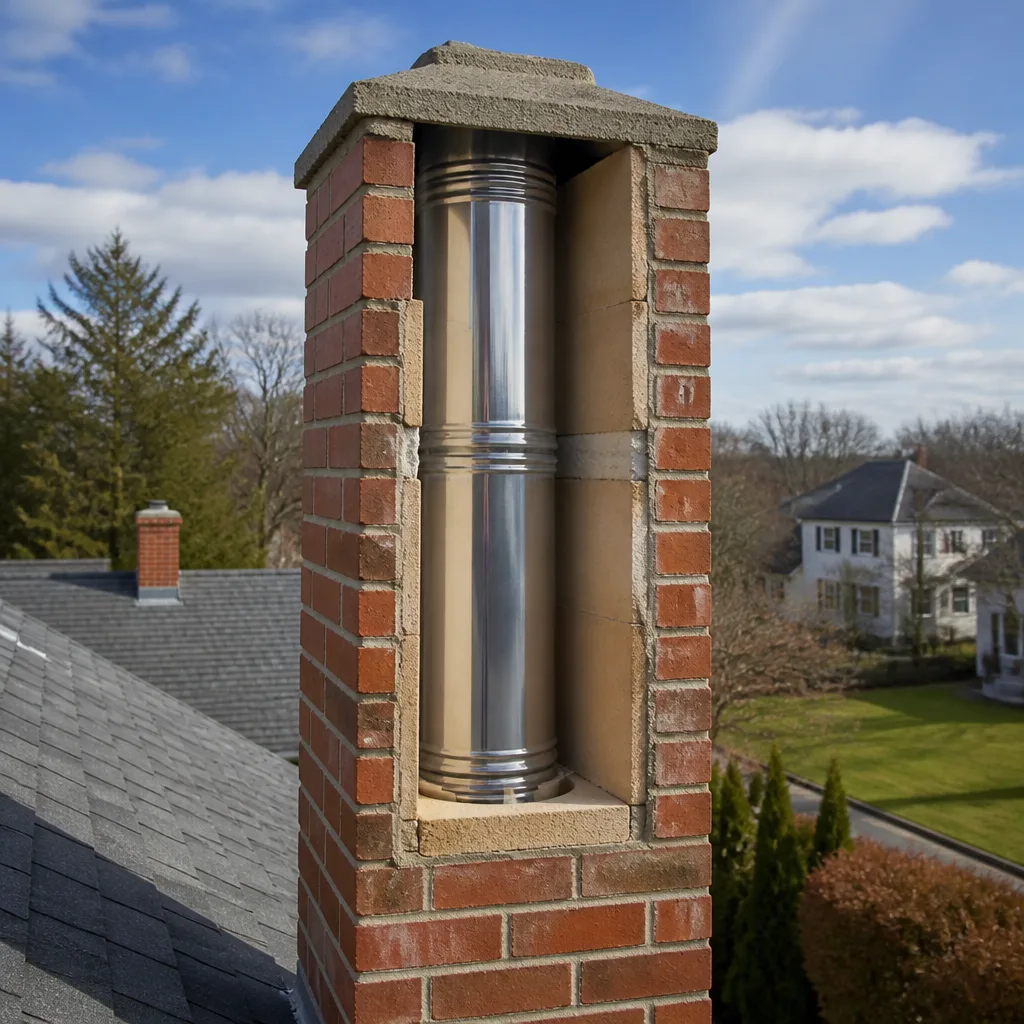 Flue relining
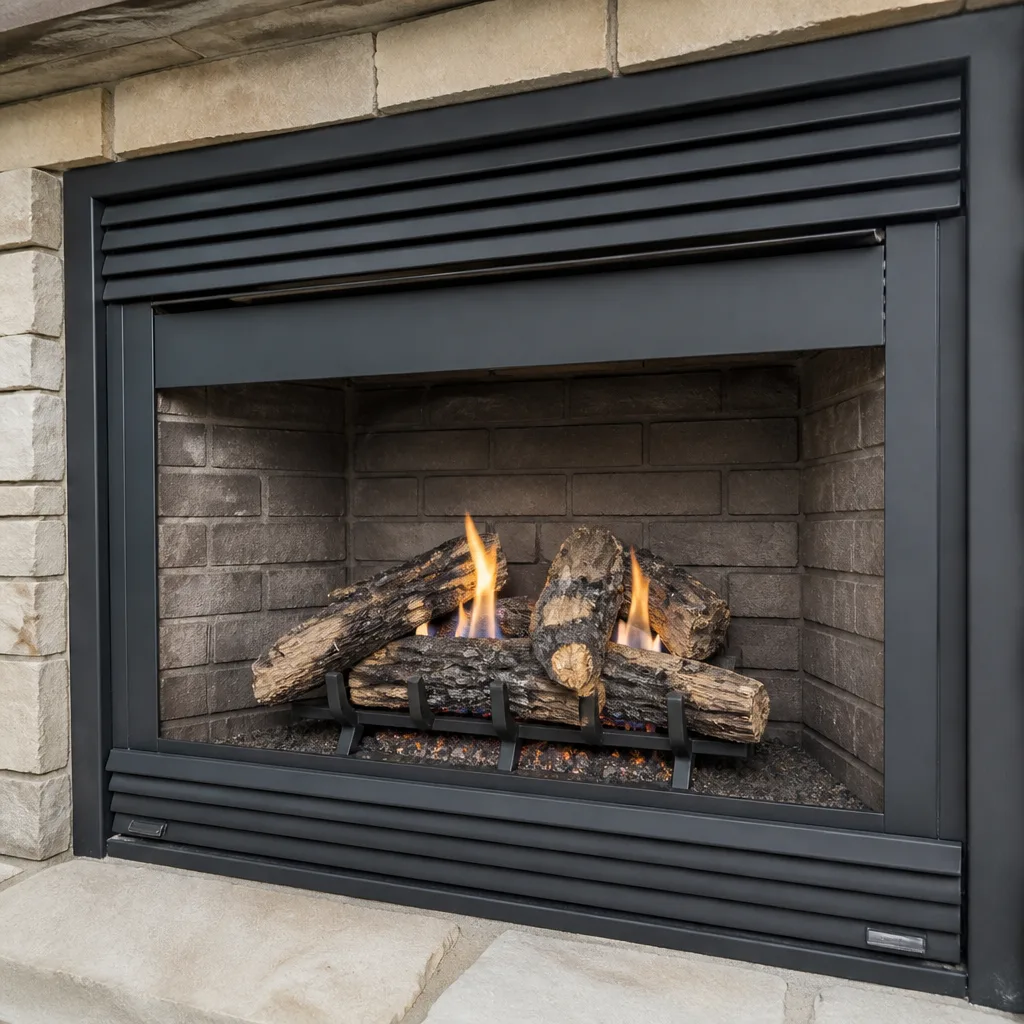 Gas fireplace service
Level 1 sweep and inspection to the NFPA 211 annual standard - flue, crown, cap, and flashing checked and photographed
Chimney sweep logs do not sweep chimneys. They loosen some creosote - which then falls where a brush and vacuum still have to collect it.
Fast, Reliable Gas Fireplace Repair Across Canoga Park
Gas fireplace repair in Canoga Park typically runs $165 – $425 for common fixes like thermocouple replacement, pilot assembly repair, or burner cleaning, while full flue liner replacement in an original mid-century masonry chimney often lands between $2,800 and $5,200 depending on length and access. Most repairs in Canoga Park are completed the same day, and we answer the phone live, 24/7, so you’ll know exactly when we’re coming and what the job will cost before anyone steps through your door. Call (559) 249-1347 for a free estimate. Our Gas Fireplace Repair team knows this valley’s chimneys better than anyone.
Canoga Park’s housing stock is mostly single-family ranch homes built between the 1950s and 1970s. That matters more than people think. Those original brick and stone fireplaces were built for wood, and decades of valley temperature swings, cool foggy winters, and the occasional Santa Ana blast have taken a toll on mortar joints, flue tiles, and chimney crowns. When you convert that original fireplace to gas or repair a gas insert that’s been there for 20 years, the chimney itself often needs attention first. We inspect the whole system, not just the box.
Key Takeaways:
- A typical gas fireplace repair in Canoga Park runs $165 – $425 for standard component fixes; liner work is $2,800 – $5,200.
- Original mid-century masonry chimneys in Canoga Park often need flue liner inspection before a gas fireplace will operate safely or reliably.
- Every repair includes a written price before work starts, a 365-Day Done Right Promise in writing, and photo documentation when we’re done.
- We serve all of Canoga Park, including neighborhoods north and south of Sherman Way, plus West Hills, Woodland Hills, Tarzana, and Chatsworth.
Why Hadley Chimney Woodland Hills Is Canoga Park’s Preferred Gas Fireplace Repair Company
We’ve worked on enough 1950s and 1960s ranch chimneys here to know exactly what Canoga Park throws at a fireplace. It’s not the same as Tarzana or Woodland Hills, even though they’re ten minutes away. The original masonry flues in this specific housing stock were built without modern liners, and after 50 to 70 years of thermal cycling, they spall, crack, and leak. That’s the pattern we see over and over north of Sherman Way, where the older lots sit. Homeowners call us because the fireplace won’t stay lit, and the real problem is often a flue that’s no longer safe to vent through.
Cory Mitchell leads our crew, and he’s spent years diagnosing the specific ways San Fernando Valley chimneys fail after a wood-to-gas conversion. That experience means we don’t guess. We camera-inspect the flue, show you the photos, and explain what’s actually needed before quoting a repair. No vague “you need a new liner” without evidence. You see what we see.
Every job includes The Relay Visibility Guarantee: live arrival tracking, before-and-after photos, and a written price before work begins. That’s a standing commitment on every repair, not a promotional offer. If a repair fails within 365 days, we come back free. It’s in writing. Calls are answered by a live person 24/7, not a voicemail loop, so when your gas fireplace stops working on a foggy Canoga Park evening, you reach a human who can actually schedule the fix.
Styles & brands we work with
Our Gas Fireplace Repair Services in Canoga Park
Flue Liner Inspection and Repair
In Canoga Park’s mid-century ranch homes, original masonry fireplaces often lack modern flue liners entirely, which makes gas fireplace repairs here more likely to involve spalling brick and mortar deterioration than in newer neighboring cities. A gas fireplace still produces exhaust, and that exhaust needs a sealed, intact path to the roof. We camera-inspect every flue before we touch the fireplace itself. If we find cracked clay tiles or missing sections, we’ll show you the video and recommend relining with DuraFlex, a flexible stainless steel system that handles gas exhaust safely and lasts for decades.
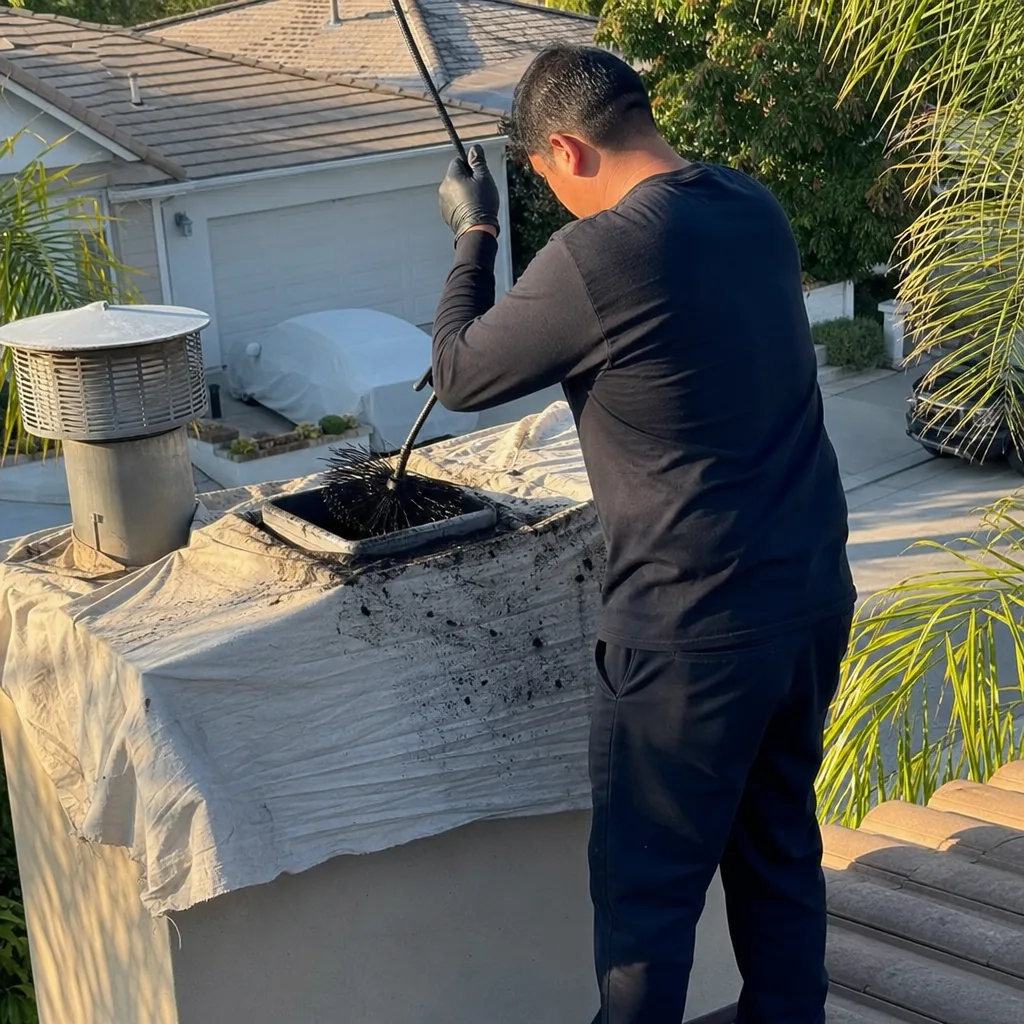
Smoke Chamber Parging and Repair
The smoke chamber is the angled section above the firebox, and in Canoga Park’s older chimneys it’s often rough, corbeled brick with gaps and ledges. Those ledges trap carbon monoxide and heat. We use HeatShield ceramic compound to parge the chamber smooth or seal deteriorated mortar, a repair that’s common on gas conversions where the original masonry was never properly finished. This one step often fixes the smoky smell and poor draft Canoga Park homeowners notice during cold winter evenings.
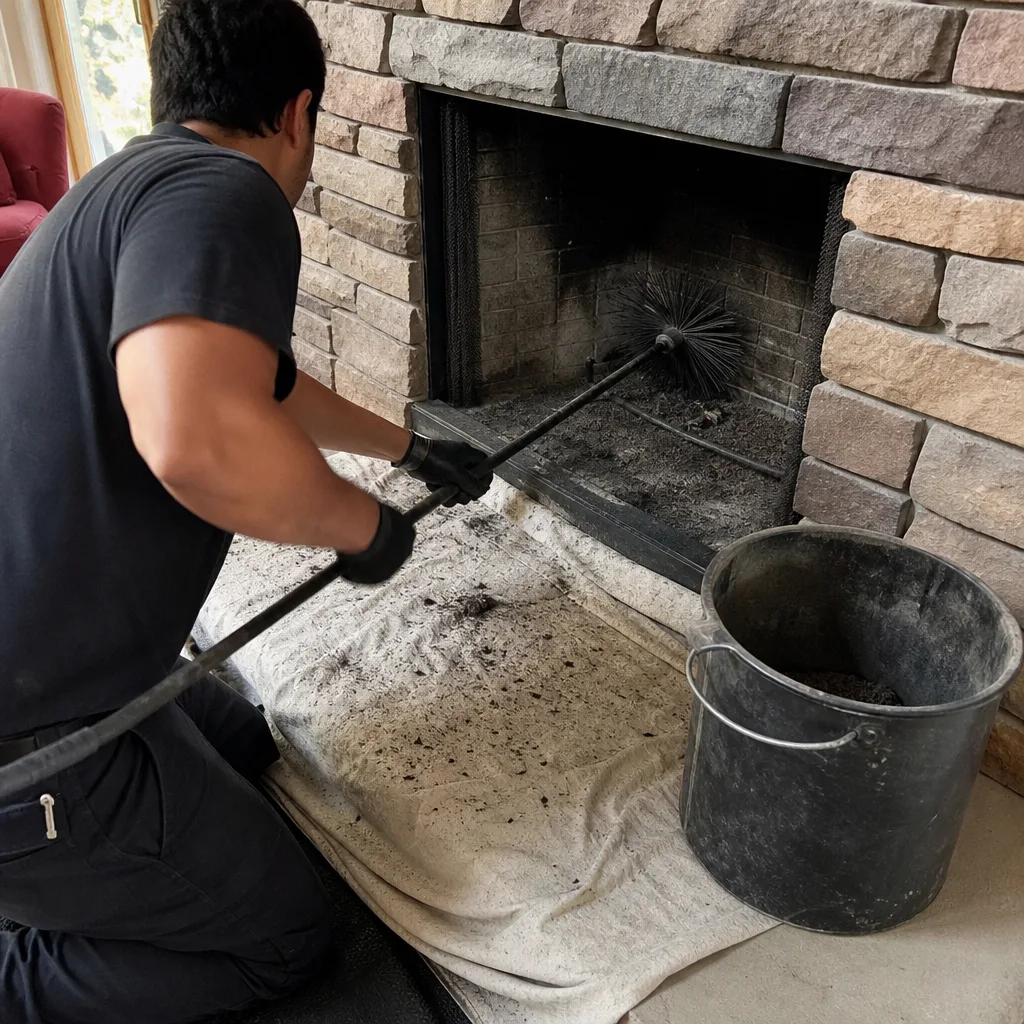
Chimney Crown and Flashing Repair
Valley weather punishes chimney crowns. Hot, dry summers expand the concrete. Cool, damp winters contract it. After decades, the crown cracks, water gets in, and the brick below starts spalling, flaking, crumbling. We see this constantly on chimneys north of Sherman Way. We repair or rebuild crowns with proper overhang and a drip edge, and replace rusted or lifting flashing where the chimney meets the roof. Water intrusion is the root cause of most expensive chimney repairs in Canoga Park, so we fix it early and document it with photos.
Gas Fireplace Diagnosis and Component Replacement
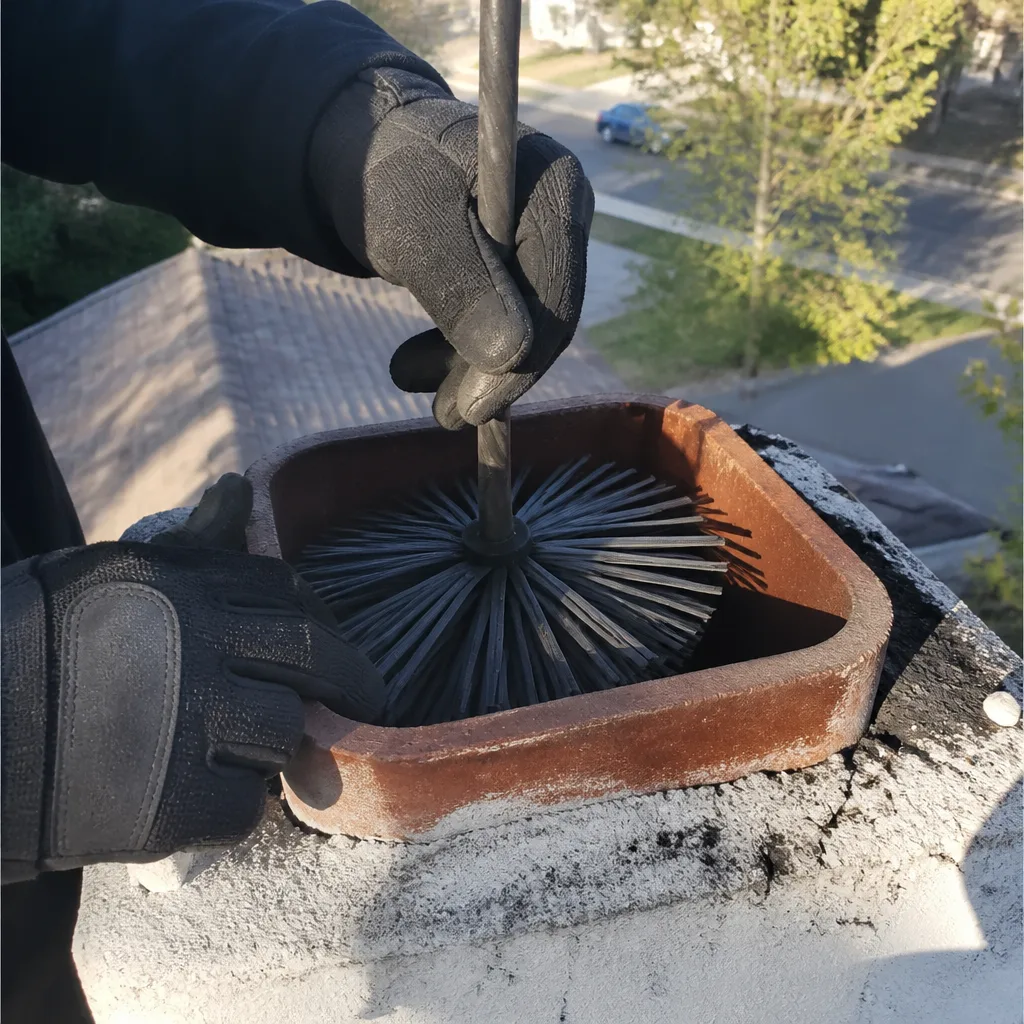
If your gas fireplace won’t ignite, won’t stay lit, or the flame is weak and yellow, the issue is usually the thermocouple, thermopile, pilot assembly, or burner. We stock common replacement parts and work with Famco, Copperfield, and other trade brands, so the fix is usually done the same day. But here’s the difference: before we replace a component and call it done, we verify the venting is safe. In Canoga Park, a gas fireplace that never drafts properly is often a flue problem, not a valve problem, and the outdoor temperature changes it. A fireplace that works in August can fail in January when the chimney is cold and fog-soaked.
What happens when you call
- 1
A real person answersNo phone trees - you reach a local pro.
- 2
You get an upfront price rangeHonest numbers before anyone is dispatched.
- 3
A background-checked tech heads outLicensed & insured, dispatched right away.
- 4
You approve before work beginsNothing starts until you say go.
Trusted Brands We Service in Canoga Park
We install and service gas fireplaces, inserts, and venting components from the brands chimney professionals actually rely on: Famco, Copperfield, DuraFlex, and HeatShield. We keep common repair parts stocked locally so Canoga Park customers aren’t waiting a week for a thermocouple. If your fireplace or insert was built by a major manufacturer, chances are we service it, and we’ll tell you honestly whether a part is worth replacing or whether the system has pushed past its useful life. No upsell. Just straight answers with photos to back them up.
Common Gas Fireplace Repair Problems We See in Canoga Park Homes
- Third-degree creosote tar glaze from occasional wood burning before gas conversion. A brush can’t remove this stuff. It’s a hard, glossy tar layer baked onto the flue walls from years of intermittent wood fires, now sitting behind a gas burner. In Canoga Park, where many homeowners burned wood occasionally before converting, this glaze is common. It requires chemical treatment or a liner replacement, not a standard sweep.
- Spalling brick and cracked flue tiles from decades of valley temperature swings. Summer heat expands the clay tiles and mortar. Cool foggy winters contract them. After 50 or 60 years, the tiles crack, the brick faces pop off, and exhaust gases can leak into wall cavities. We find this on original masonry chimneys south of Sherman Way all the time, and it’s dangerous because the leak is invisible until we camera the flue.
- Squirrel nests in unused flues during spring inspections. In neighborhoods with mature valley oaks, squirrels climb chimneys and build nests inside unused flues. If your gas fireplace sits idle through spring and summer, a nest can block the exhaust completely, creating carbon monoxide backdraft into the living room. We remove these during inspections, and it’s one more reason an annual check even on a gas fireplace is not optional.
- Moisture-damaged fireboxes and rusted gas components. Canoga Park’s foggy winter mornings push moisture into chimneys that are already compromised at the crown or flashing. That moisture rusts burners, corrodes valves, and eats away at the firebrick. We see gas inserts installed in the 1990s that are now failing because water entered from above, not because the gas components were defective.
Pricing for Gas Fireplace Repair in Canoga Park, CA
Here’s what you can expect to pay in Canoga Park, with real ranges, not vague hand-waving. A standard diagnostic visit that leads to a minor repair like a thermocouple or pilot assembly replacement runs $165 – $425. A gas valve replacement typically lands between $350 and $750. Smoke chamber parging with HeatShield starts around $900 and climbs based on chamber size. Chimney crown repair or rebuild runs $700 – $1,900. Full flue relining with a DuraFlex system is the big one, $2,800 – $5,200 depending on flue height and access. Every quote is written, provided before work starts, and includes the 365-Day Done Right Promise. Call (559) 249-1347 and we’ll give you an exact number for your specific house.
| Repair Type | Canoga Park Price Range |
|---|---|
| Diagnostic visit with minor repair (thermocouple, pilot) | $165 – $425 |
| Gas valve replacement | $350 – $750 |
| Smoke chamber parging (HeatShield) | $900 – $2,100 |
| Chimney crown repair or rebuild | $700 – $1,900 |
| Full flue relining (DuraFlex) | $2,800 – $5,200 |
See the difference
 Before
 After
After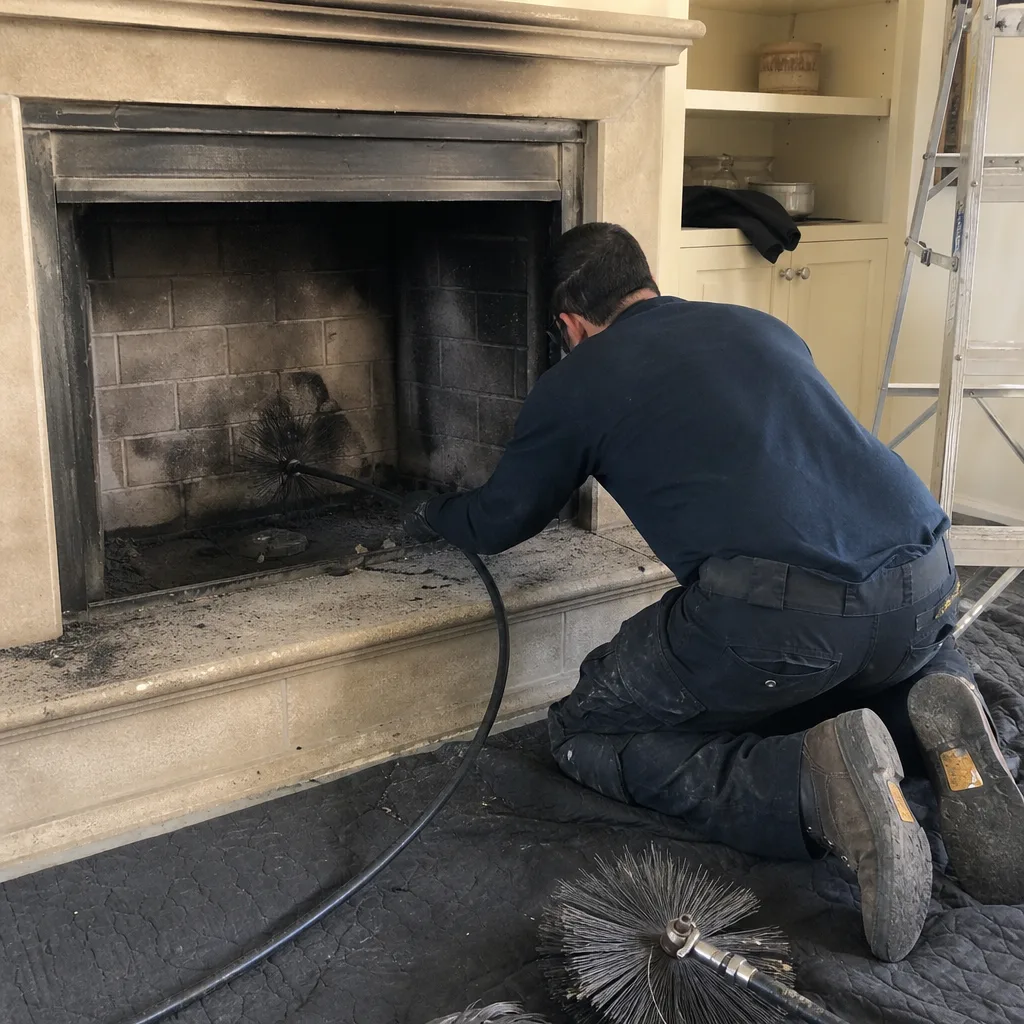 Before
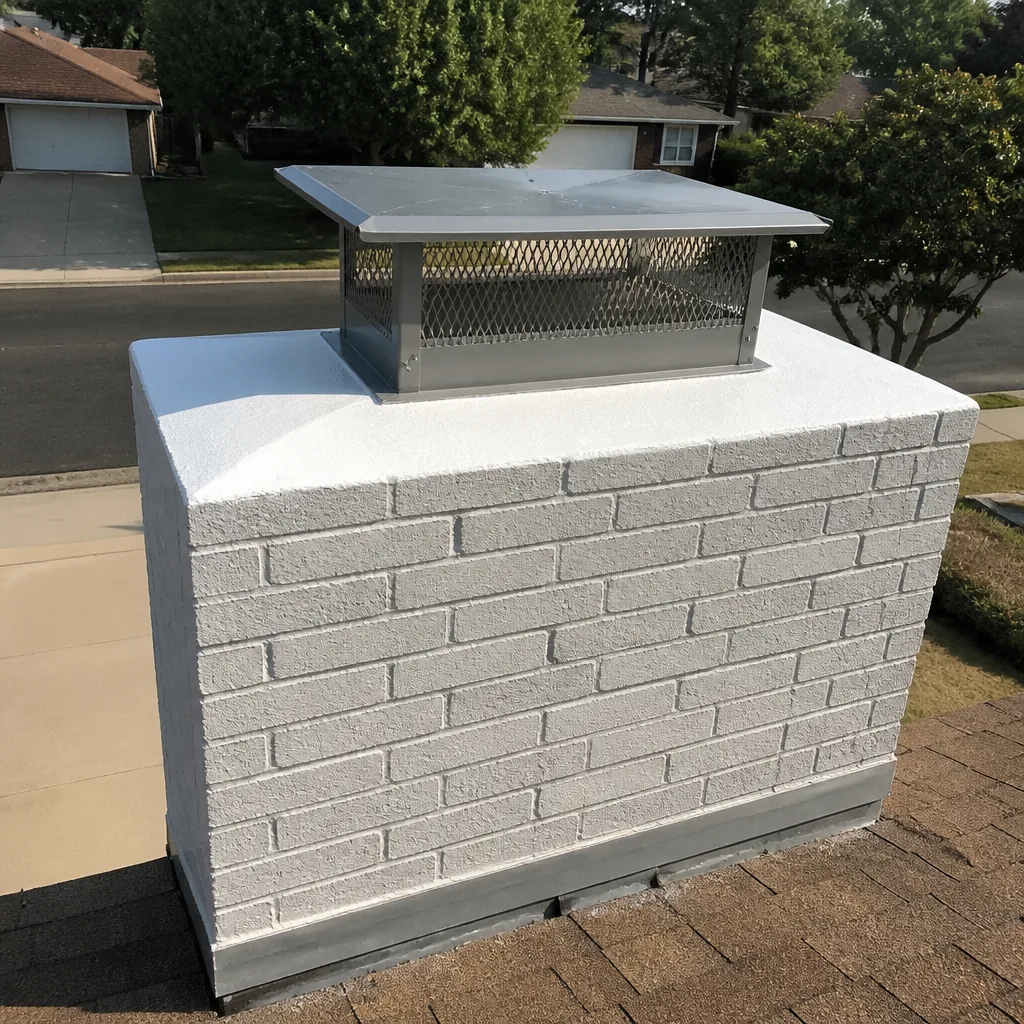 After
After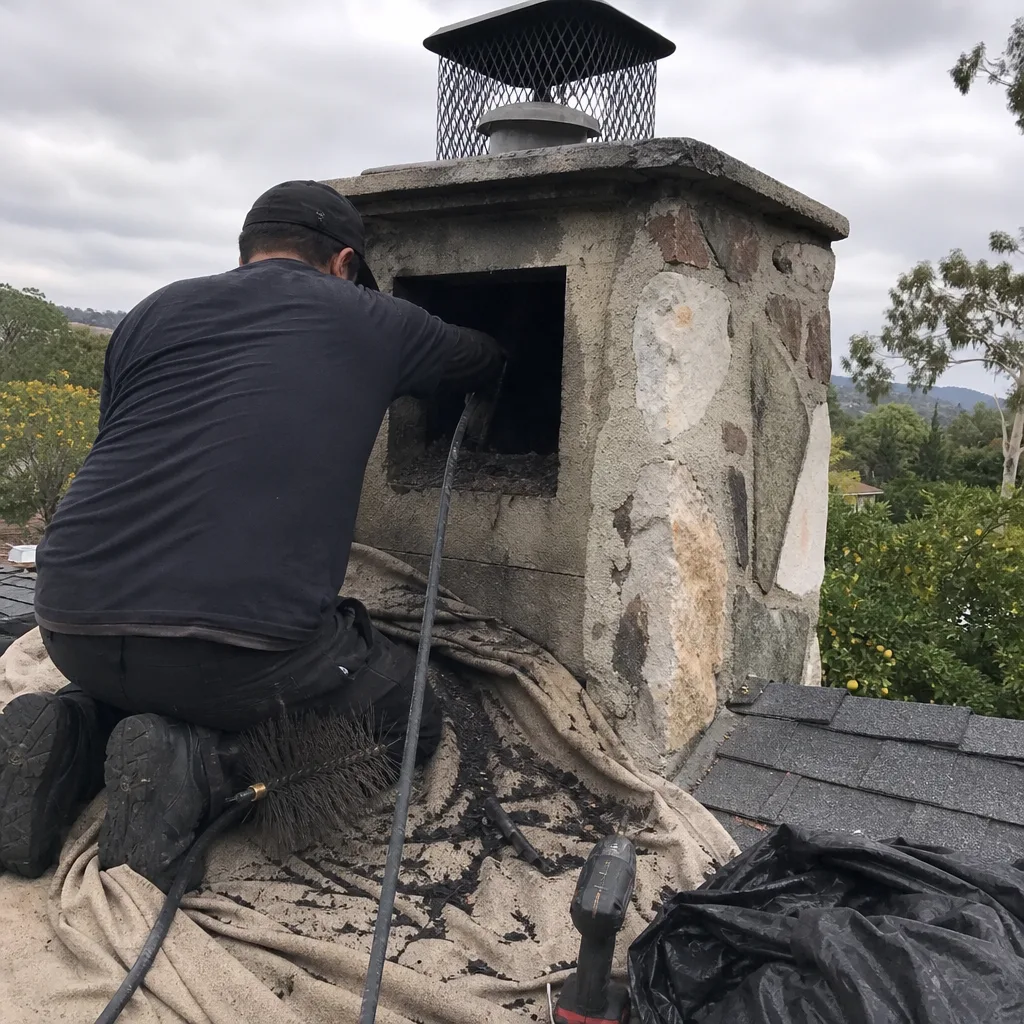 Before
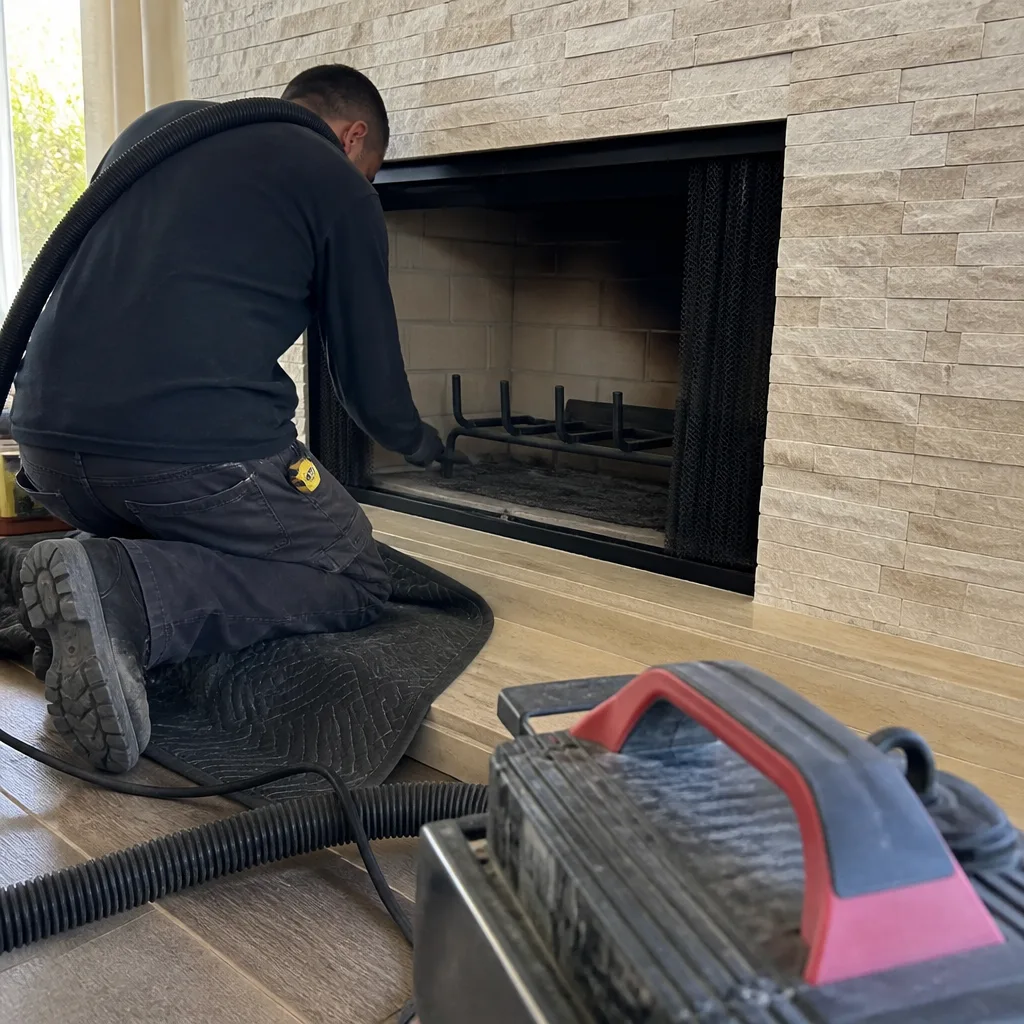 After
AfterWe Also Serve Cities Near Canoga Park
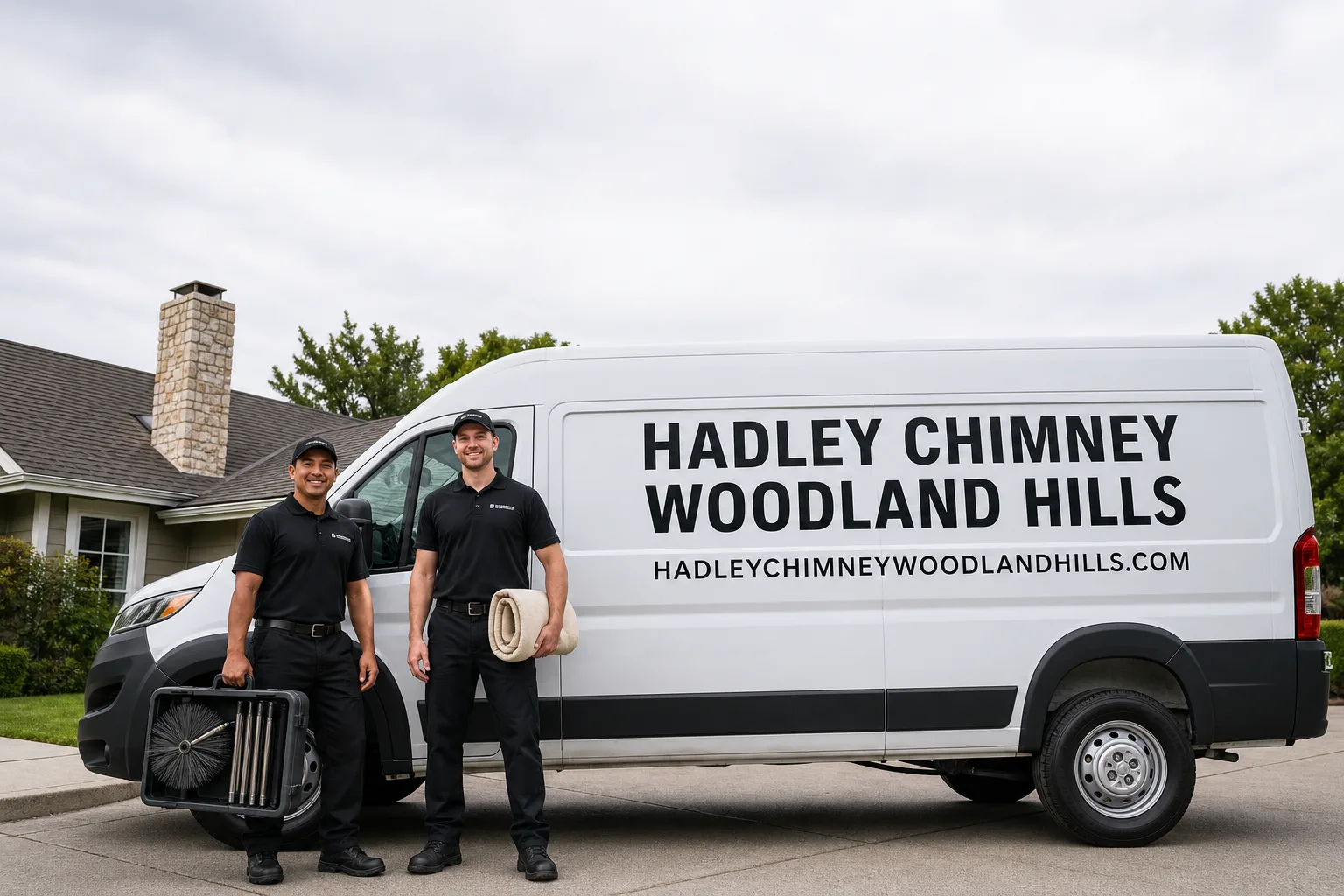
Our crews serve Canoga Park and the surrounding west valley communities daily, often combining runs so we can get to West Hills, Woodland Hills, Tarzana, and Chatsworth quickly. If you’re right on the edge of Canoga Park, near the West Hills border off Vanowen or up against Chatsworth, you’re still in our regular service area. Dispatch is coordinated from our Los Angeles office, and the technicians you’ll see are background-checked, uniformed, and tracked, so you always know when they’ll arrive.
Serving Canoga Park, CA - Our Local Coverage Area
We’re based in the Canoga Park area and know this community well. Use the map below to see our service coverage - if you’re nearby, we can almost certainly help.
FAQs – Gas Fireplace Repair in Canoga Park
Because the chimney is the exhaust pipe for your gas appliance, and in Canoga Park’s mid-century ranch homes, that exhaust pipe is 50 to 70 years old and was built for wood, not gas. Gas produces water vapor and carbon monoxide, both of which need a sealed, intact flue to vent safely. Squirrels nest in unused flues, crowns crack, and clay tiles split from valley temperature swings, all of which can happen even if you’ve never burned a single log. An annual inspection costs a fraction of a liner replacement and tells you whether the system is safe. Call (559) 249-1347 to schedule yours.
Sometimes, but often not. The original flue in most 1950s and 1960s Canoga Park ranch homes is unlined masonry, meaning the bricks themselves are the flue surface. Once that surface has spalled, cracked, or absorbed decades of creosote from past wood fires, running gas exhaust through it is not safe or code-compliant. We’ll camera the flue and show you the condition. If it’s sound, a vented or vent-free gas insert may work. If it isn’t, the conversion will require a liner, and we’ll give you a written quote before any work starts.
It means the flue is coated in a hard, tar-like glaze that a standard chimney sweep cannot remove. Third-degree creosote forms when wood fires burn cool and smolder, and in Canoga Park, the cool, damp valley winters created exactly those conditions for decades. If your chimney has this glaze and you’re now using gas, the flue needs chemical treatment to break down the tar or a full relining with a stainless steel system like DuraFlex. Continuing to use the fireplace without addressing it poses a chimney fire risk and a carbon monoxide risk. We’ll show you video of the flue so you can see it for yourself.
Santa Ana winds create strong horizontal pressure against the chimney crown, which can disrupt the draft and push exhaust back down the flue into the living space. In Canoga Park, where the winds funnel through the valley, this is a real complaint from homeowners with gas fireplaces that backdraft on windy days. The fix depends on the cause: a too-short flue, a deteriorated crown that’s creating turbulence, or a flue that’s the wrong size for the gas appliance. We diagnose the draft issue with smoke testing and pressure readings, not guesswork.
Foggy winter mornings mean high humidity and low atmospheric pressure, which can draw the smell of accumulated soot and creosote down through a cold flue and into the house. If your gas fireplace has a standing pilot or has been used with decorative gas logs in a formerly wood-burning chimney, the old creosote inside the flue is what you’re smelling. The fix is a proper flue cleaning, and if the creosote is glazed from past wood fires, it will need chemical treatment or a liner. Call (559) 249-1347 and we’ll camera the flue to identify the source, then give you a written quote.
What Makes Canoga Park Different, and What It Means for Your Gas Fireplace
Here’s what you won’t read on a generic chimney repair page. In Canoga Park’s mid-century ranch homes, the original masonry fireplaces often lack modern flue liners entirely. The bricks themselves were the lining. That worked fine in 1962, when the chimney was new and someone burned a few cord of seasoned oak each winter. But the San Fernando Valley wasn’t kind to those old chimneys. Hot dry summers bake the mortar until it shrinks and cracks. Cool foggy winters soak the brick, and when Santa Anas blow through, the sudden dry heat pulls moisture out fast enough to spall the faces right off. After 50 or 60 of those cycles, the flue is cracked in places you can’t see from the ground, and exhaust is leaking into wall cavities. If you’re repairing a gas fireplace in Canoga Park and the tech never looks at the flue, you’re paying for a fix that will fail in the first foggy winter.
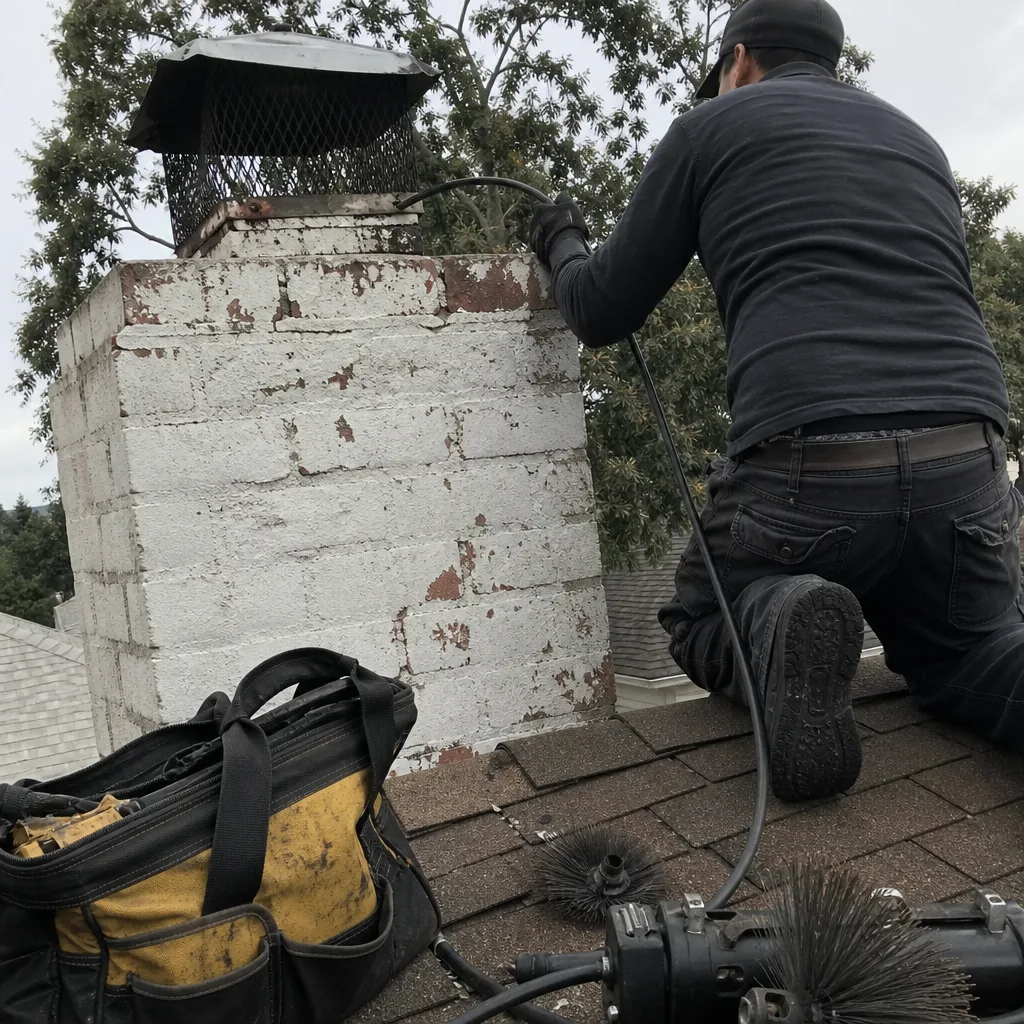
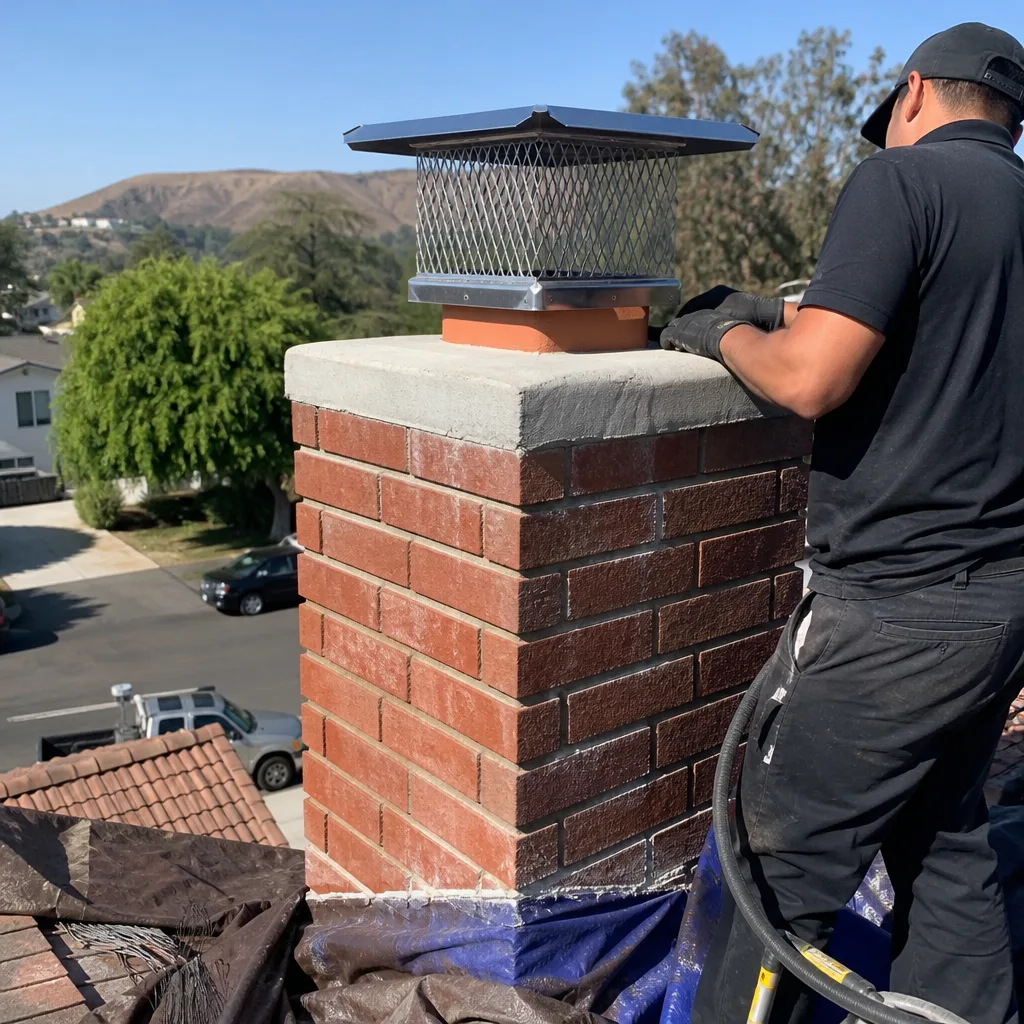
Our tech arrived at a 1960s ranch north of Sherman Way after the homeowner reported a gas fireplace that wouldn’t stay lit. Inside, we found a deteriorated flue liner with third-degree creosote glaze from years of intermittent wood burning before gas conversion. We installed a DuraFlex liner, rebuilt the smoke chamber, and repaired the spalled chimney crown. The fireplace now drafts cleanly with no carbon monoxide risk. That’s the difference between a repair that treats the symptom and one that fixes the system.
The same pattern plays out block after block in neighborhoods across Canoga Park. In the tract home subdivisions between Topanga and DeSoto, where original brick chimneys share a wall with the living room, spalling is visible from the backyard. North of Sherman Way, where lots are larger and valley oaks mature, squirrel nests in unused flues are a spring tradition. If your gas fireplace has been unused since March, there’s a fair chance something has moved in. We find it, remove it, and install a proper chimney cap so it doesn’t happen again.
We recommend annual inspections on gas fireplaces, not because we want the visit, but because the failure modes in Canoga Park are invisible until they cause a problem. A cracked flue tile doesn’t announce itself. A third-degree creosote glaze looks fine until a chimney fire starts. A crown with hairline cracks lets water in for five years before the brick spalls to the point you can see it. The inspection is cheap. The repair you avoid is expensive. That’s the honest math, and we’ll show you the photos either way.
Call for Gas Fireplace Repair in Canoga Park
If your gas fireplace won’t light, won’t stay lit, smells like smoke, or you just want a professional inspection before winter, call us at (559) 249-1347. A live person answers, 24/7, not a voicemail tree. We’ll schedule a time, show up in a tracked window, give you a written price, and send before-and-after photos with a digital invoice you can pay from your phone. That’s how Hadley Chimney Woodland Hills does gas fireplace repair in Canoga Park, and it’s how it should be done everywhere.
Written by Cory Mitchell, Owner at Hadley Chimney Woodland Hills, serving Canoga Park and the west San Fernando Valley since 2003.