
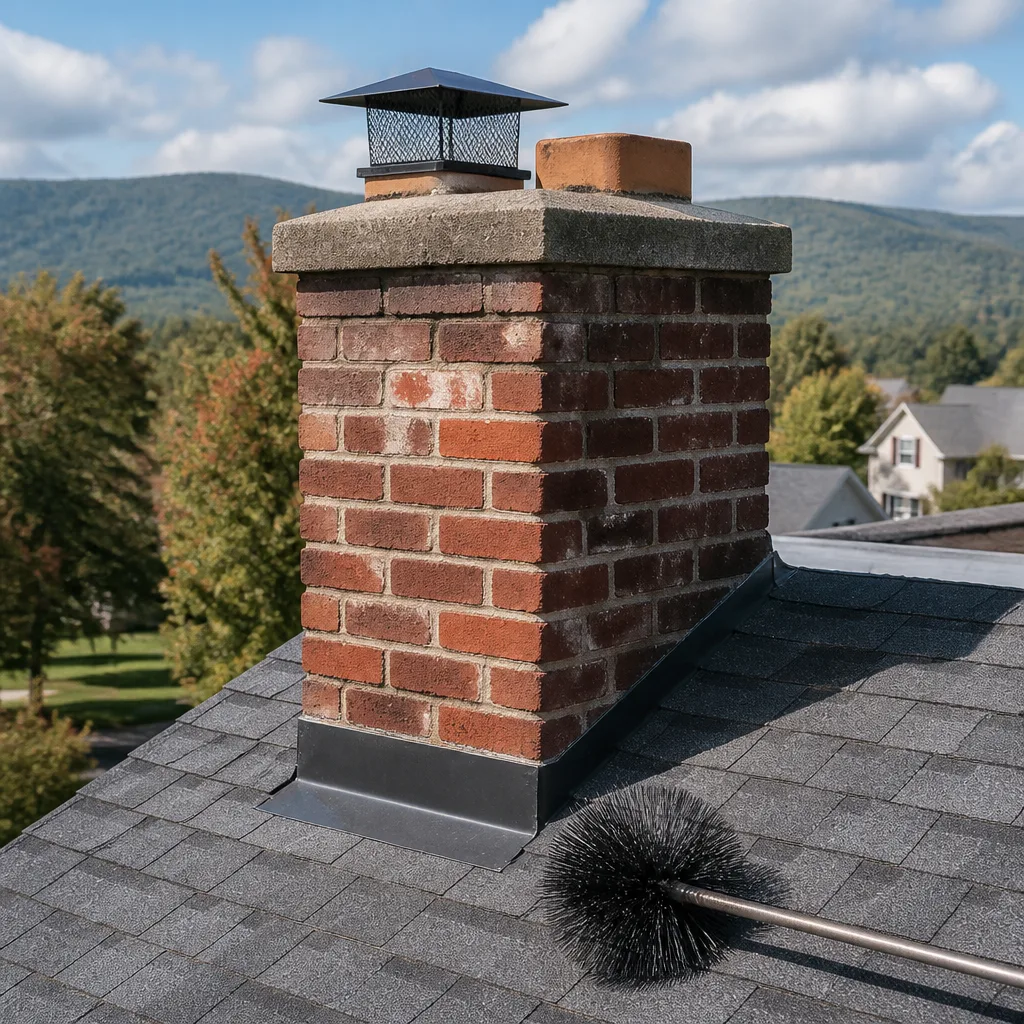
 Sweep & inspection
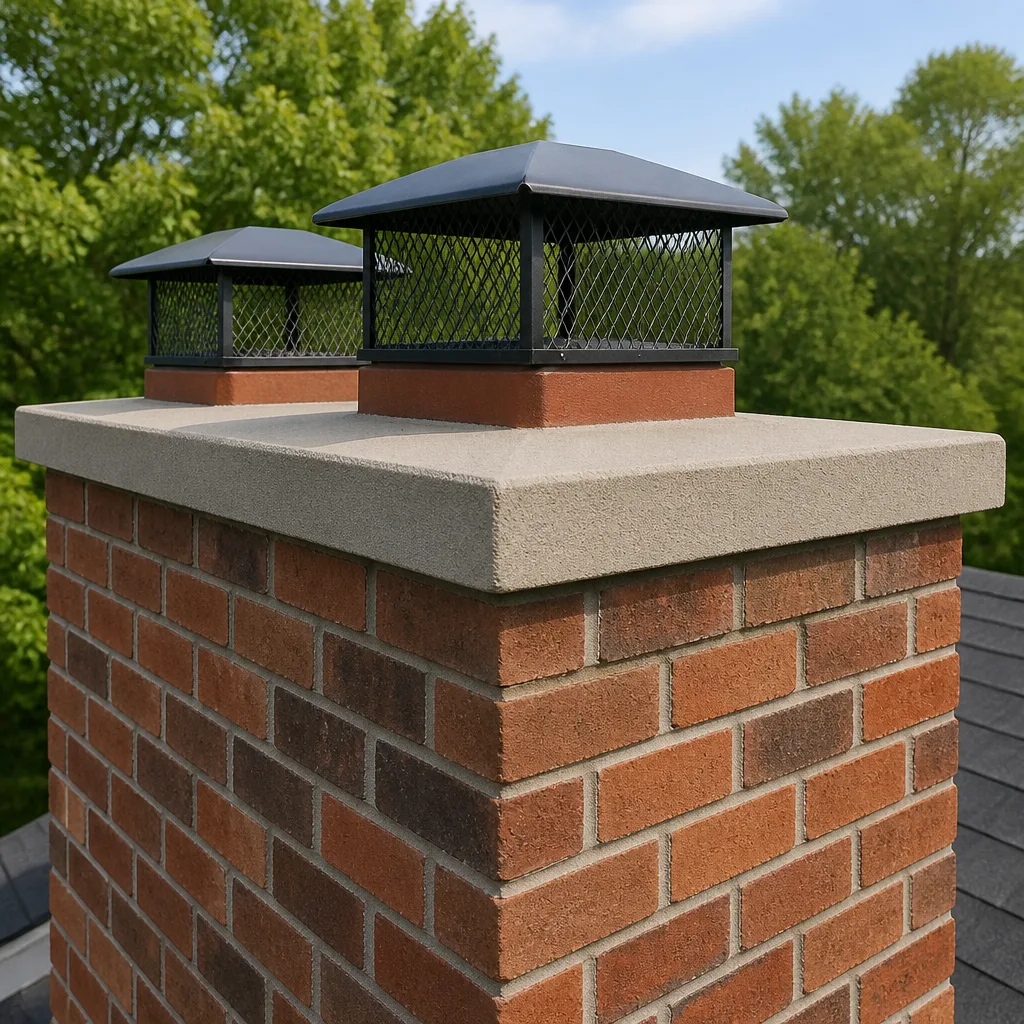 Caps & crowns
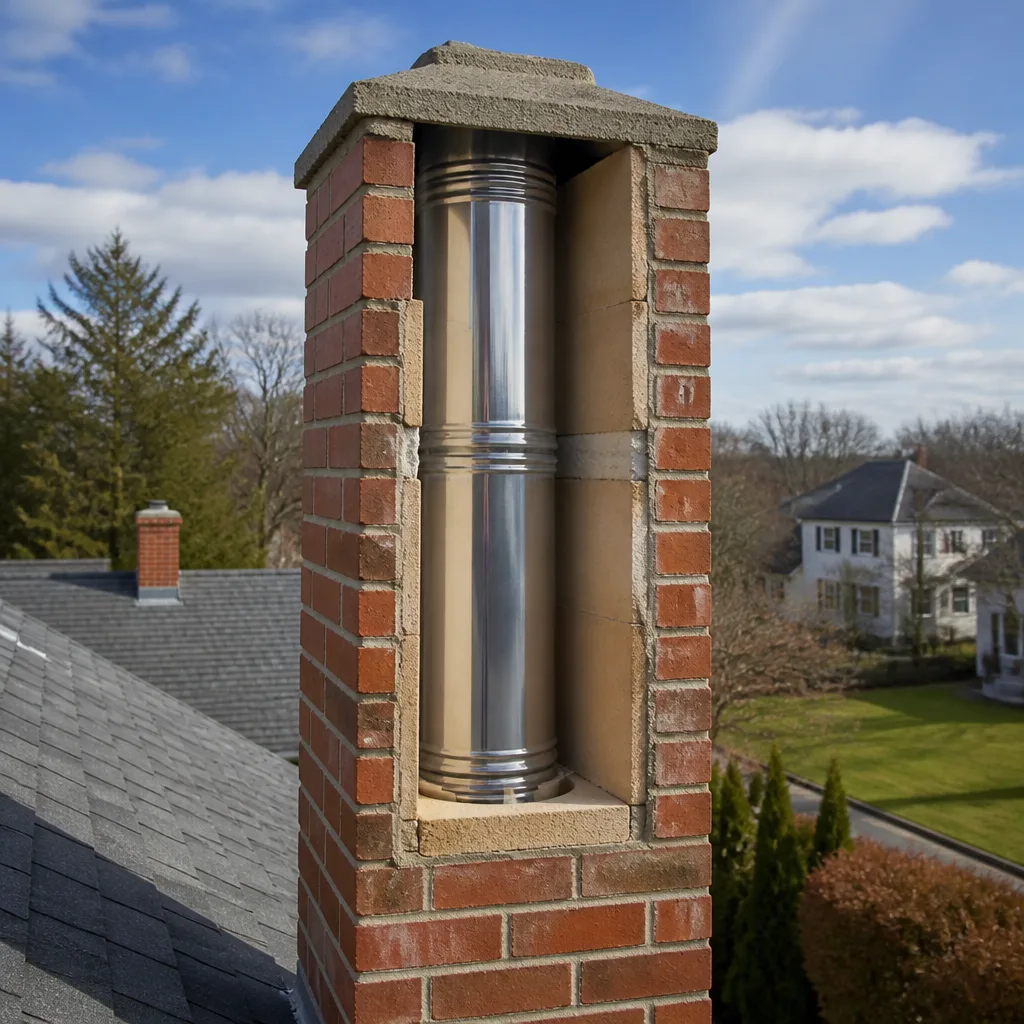 Flue relining
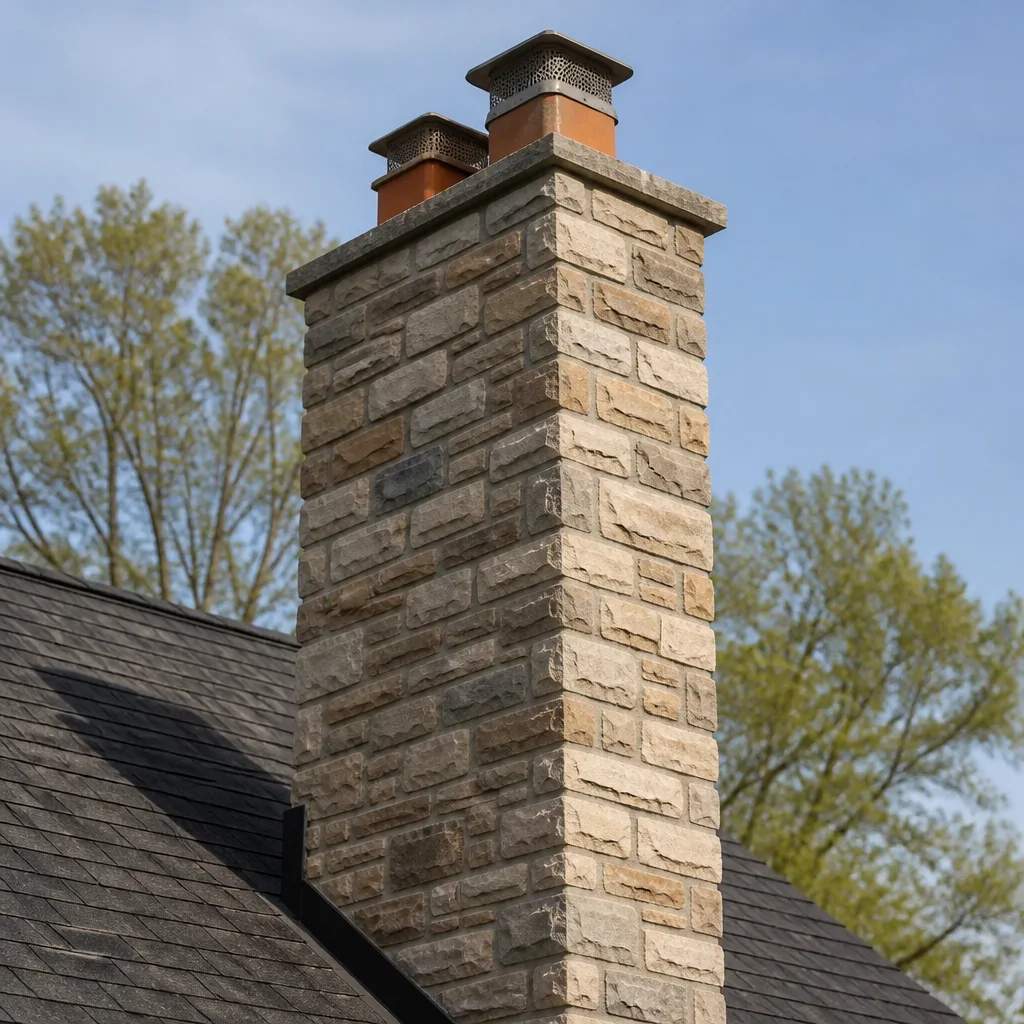 Masonry repair
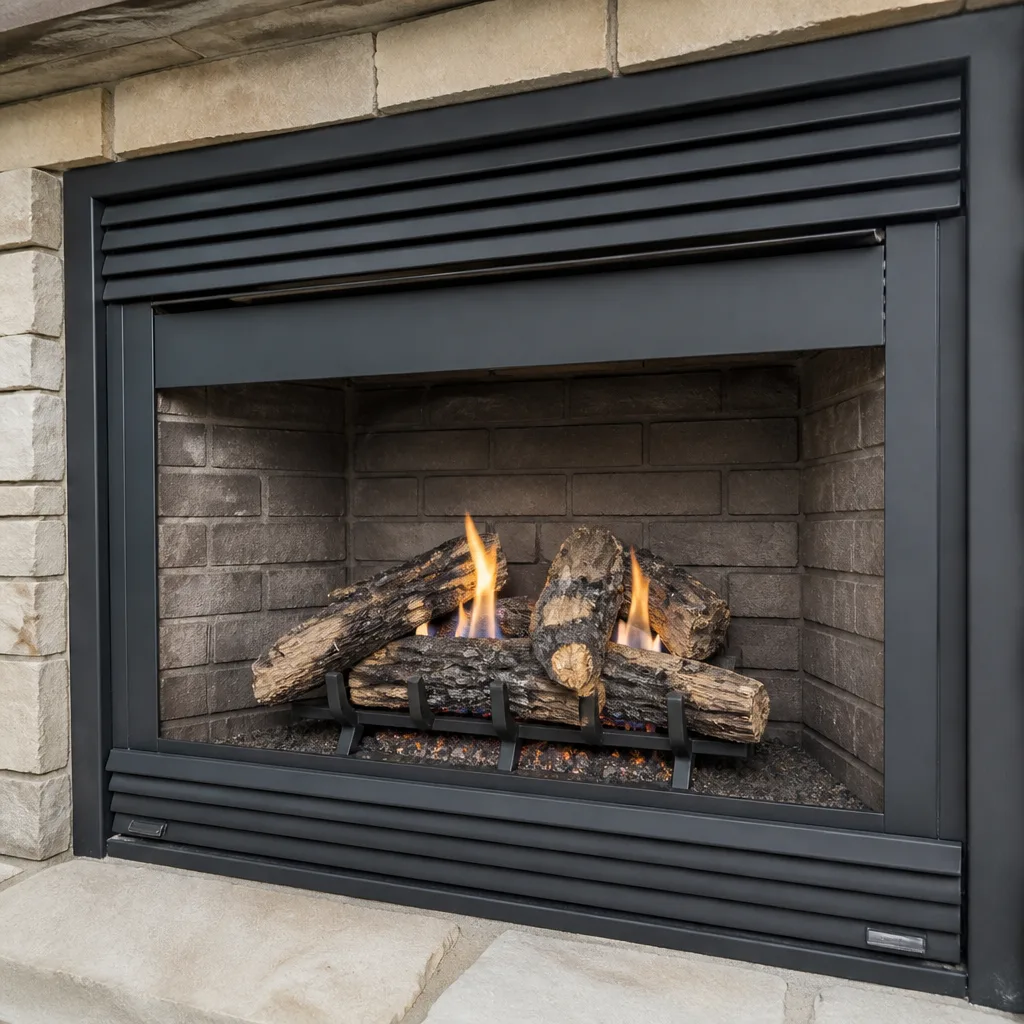 Gas fireplace service
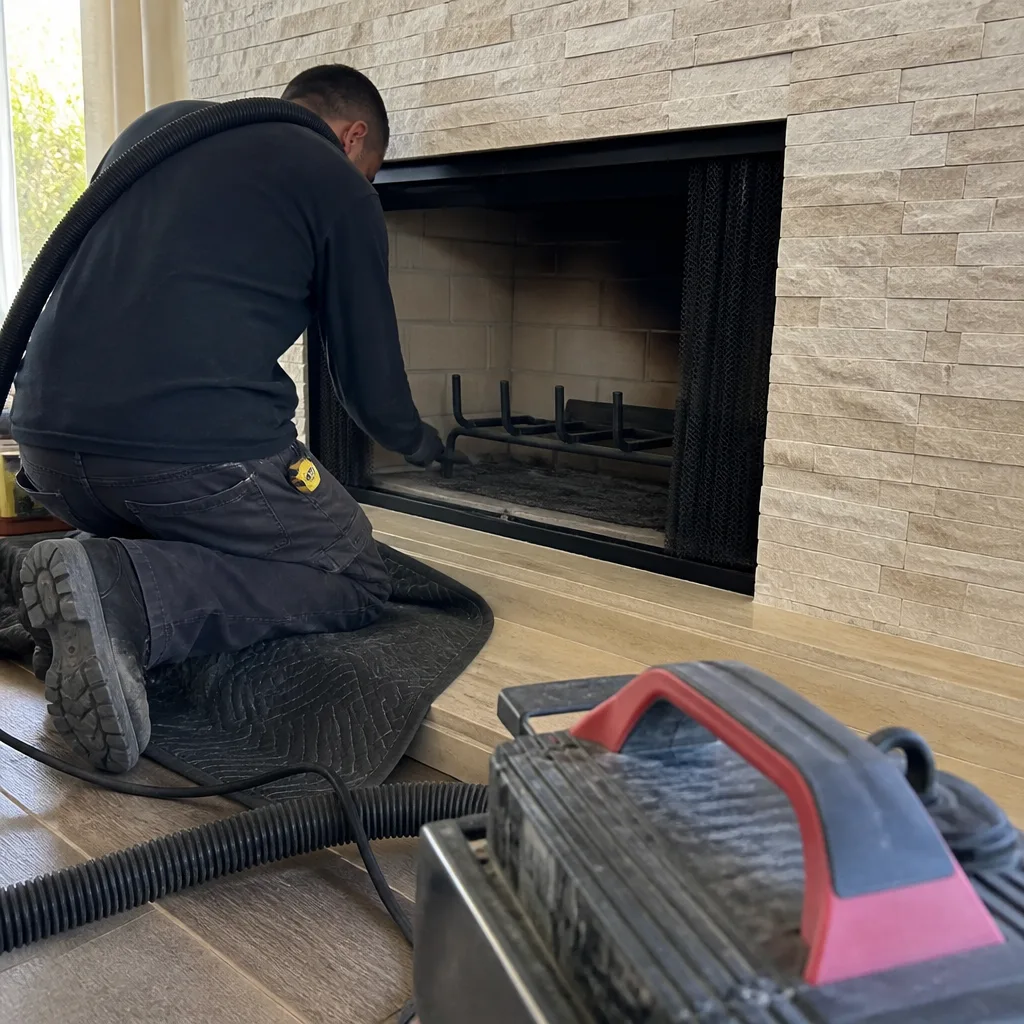
Level 1 sweep and inspection to the NFPA 211 annual standard - flue, crown, cap, and flashing checked and photographed
Chimney sweep logs do not sweep chimneys. They loosen some creosote - which then falls where a brush and vacuum still have to collect it.
Olympia Chimney Chimney Cap Installation: The Woodland Hills Owner’s Guide
We stock and install Olympia Chimney-compatible chimney caps throughout Woodland Hills, and a full replacement typically runs $385 – $680 installed, depending on the cap size, flue count, and roof access. Most Woodland Hills homeowners discover their cap has failed when they spot rust flakes in the fireplace, hear birds inside the flue, or notice water staining near the ceiling after a Santa Ana wind event. The cap is the single cheapest insurance policy on your chimney, and when it goes, everything below it starts aging faster.
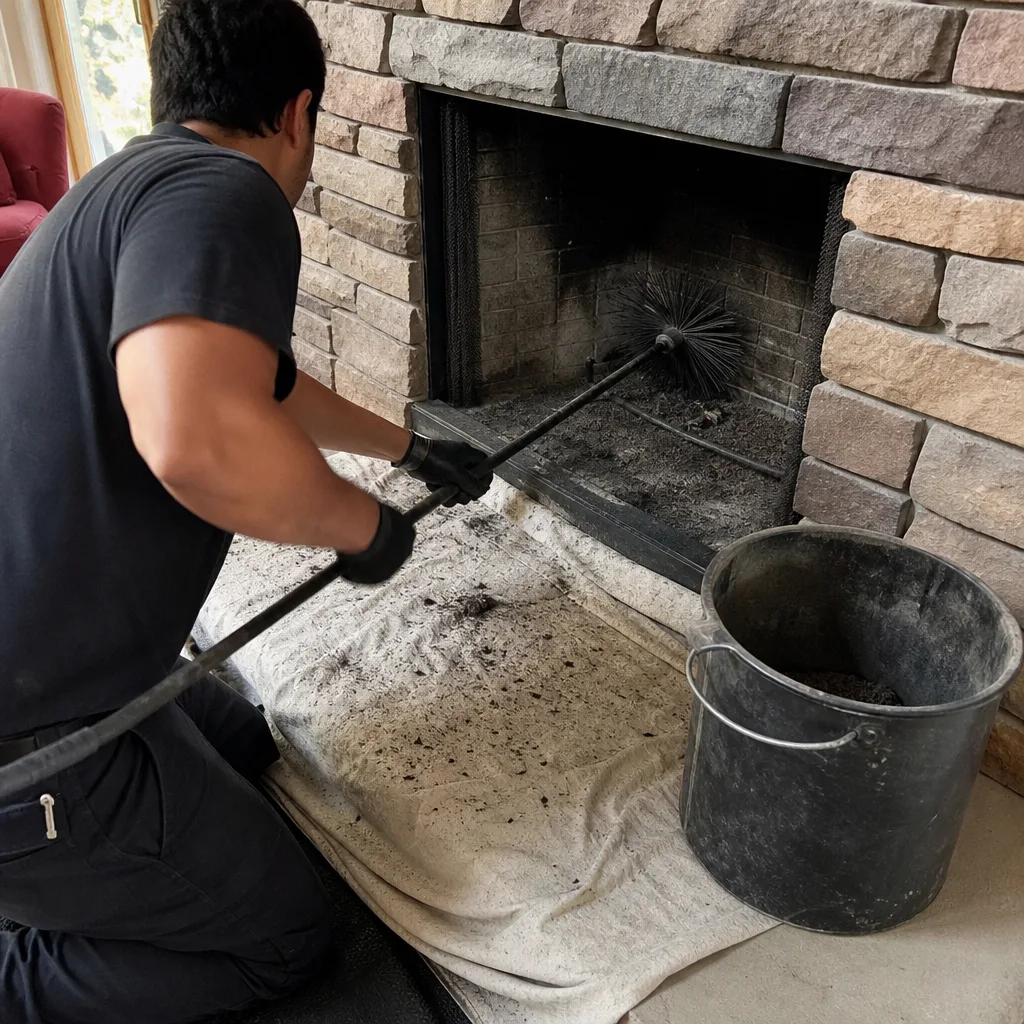
Cory Mitchell has pulled more corroded Olympia caps off Woodland Hills rooftops than he can count, and the failure pattern is almost always the same: the galvanized base rusts through at the mounting collar while the stainless lid still looks fine. If you’re seeing rust streaks running down your chimney chase or hearing scratching sounds from the flue, your cap isn’t doing its job anymore. The good news is this is a same-day fix in most cases, and you’ll get a photo of the old part before we remove anything.
Which Olympia Chimney Models This Applies To
Olympia Chimney builds caps for both masonry chimneys and factory-built (prefab) fireplace systems, and the mounting method changes completely between those two categories. If you have a masonry chimney with a round clay flue tile, Olympia’s cap slips over the tile and is secured with pressure screws or a draw band. If you have a prefab fireplace from a brand like Heatilator or Majestic that uses Olympia’s venting components, the cap locks onto the factory chimney pipe with a twist-lock or tab system.
Here’s the gotcha: Olympia uses different base dimensions for different flue tile sizes, and a cap sized for a 13″ x 13″ flue won’t seat properly on a 12″ x 12″ tile. Before we order or install, we measure the flue opening, not the old cap. The old cap may have been oversized from day one, and that’s exactly the kind of sloppy install that lets wind-driven rain in around the edges. We also check whether you need a standard cap or a specialty cap: Olympia makes spark-arrestor caps (required in most of Los Angeles County fire zones), windscreen caps, and draft-increasing caps for short chimneys. Woodland Hills sits in a designated wildland-urban interface zone, so the spark-arrestor screen is code-required here, not optional.
When it comes to OEM versus aftermarket: Olympia’s own caps are well-built, but there are quality equivalents from Copperfield and Famco that match up cleanly at a lower price point. We’ll show you both options with prices before you decide. We’re an independent local service provider, not affiliated with Olympia Chimney, which means we recommend what actually fits and lasts rather than what a brand catalog pushes.
Styles & brands we work with
Signs Your Olympia Chimney Chimney Cap Installation Is Failing
- Rust streaks running down the chimney chase or flue tile. This means the galvanized coating has worn through and the steel underneath is oxidizing. Once rust starts, the cap’s structural integrity goes fast, especially in Woodland Hills where marine-layer moisture and summer heat cycle the metal constantly.
- Birds or small animals entering the flue. A damaged or missing spark-arrestor screen is the entry point. We’ve pulled nests, dead birds, and one very confused squirrel out of Woodland Hills chimneys, and the smell of a decomposing animal in a flue is not something you want in your living room.
- Water staining on the ceiling or walls near the fireplace. A failed cap lets rain run straight down the flue liner, and that water eventually pools at the smoke shelf or seeps into the masonry. By the time you see the stain on drywall, the water has been traveling for a while.
- A visible gap between the cap base and the flue tile. High winds, especially the Santa Anas that hammer the Valley every fall, work caps loose over time. A cap that’s shifted off-center isn’t covering the flue opening properly anymore.
- Drafts or smoke backing up into the room. A corroded cap can partially collapse and restrict the flue opening, which disrupts the draft. If your fireplace suddenly smokes more than it used to, the cap is one of the first things we check on our inspection list.
See the difference
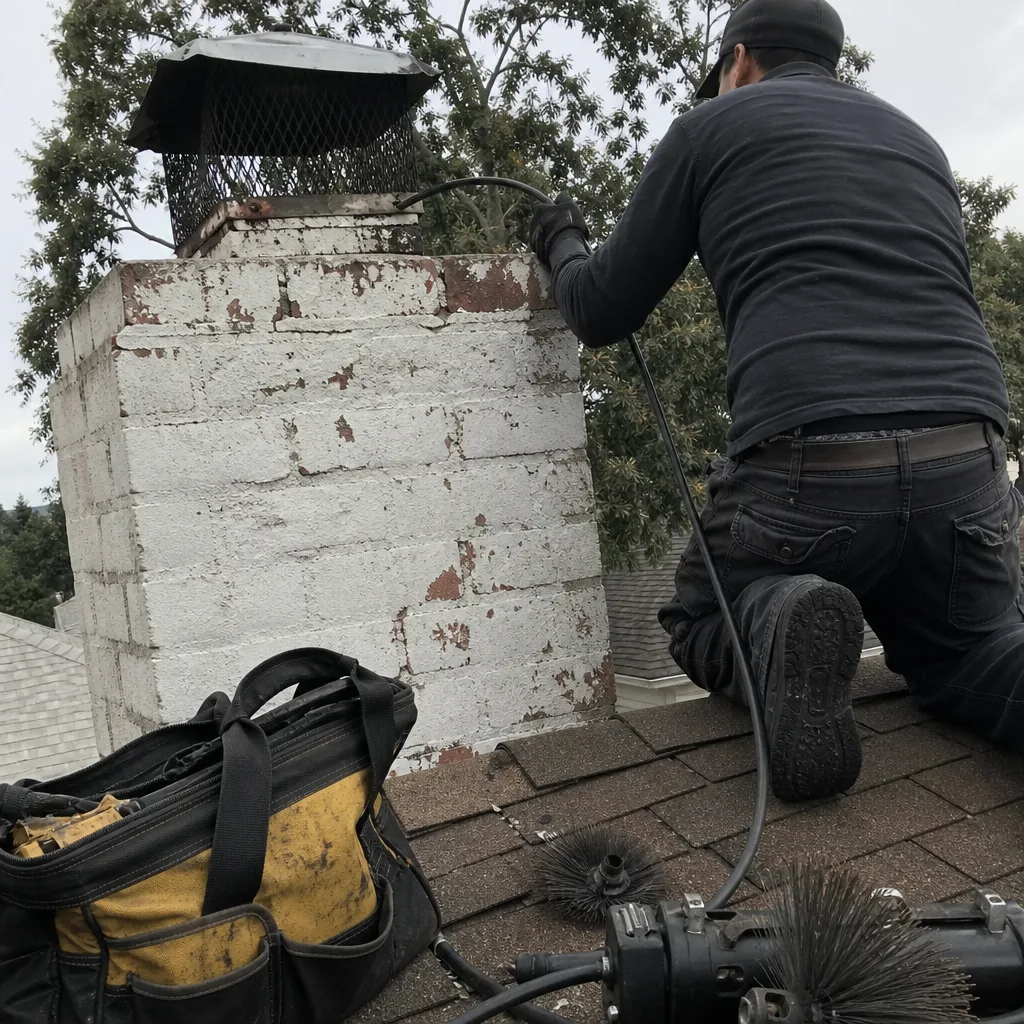 Before
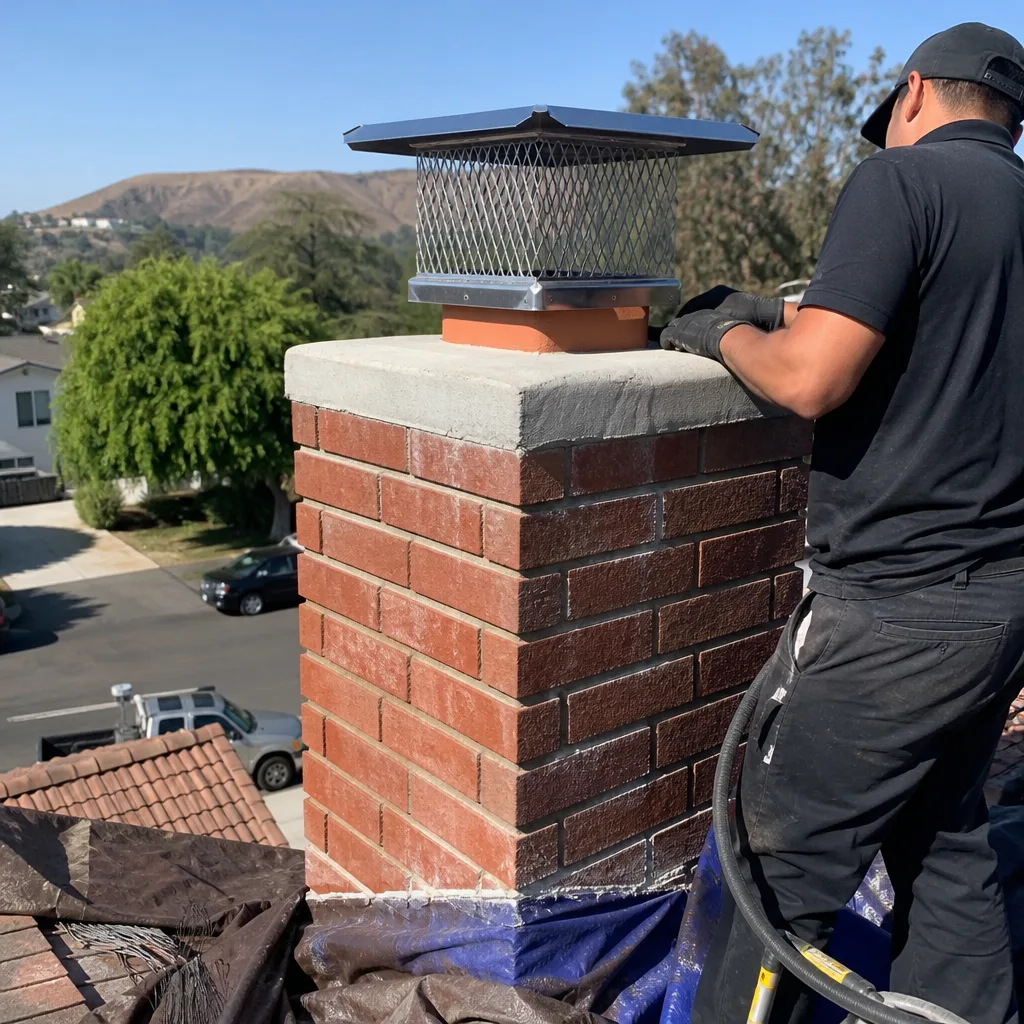 After
After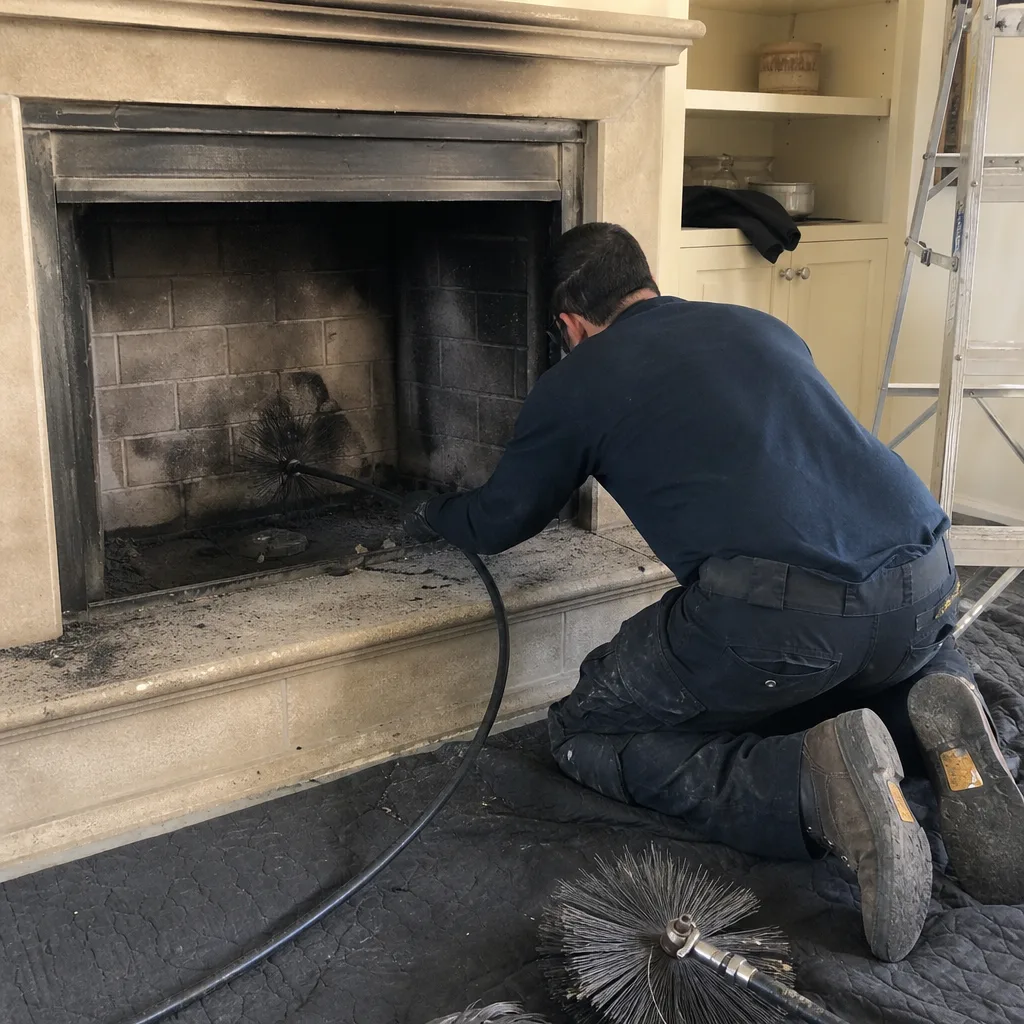 Before
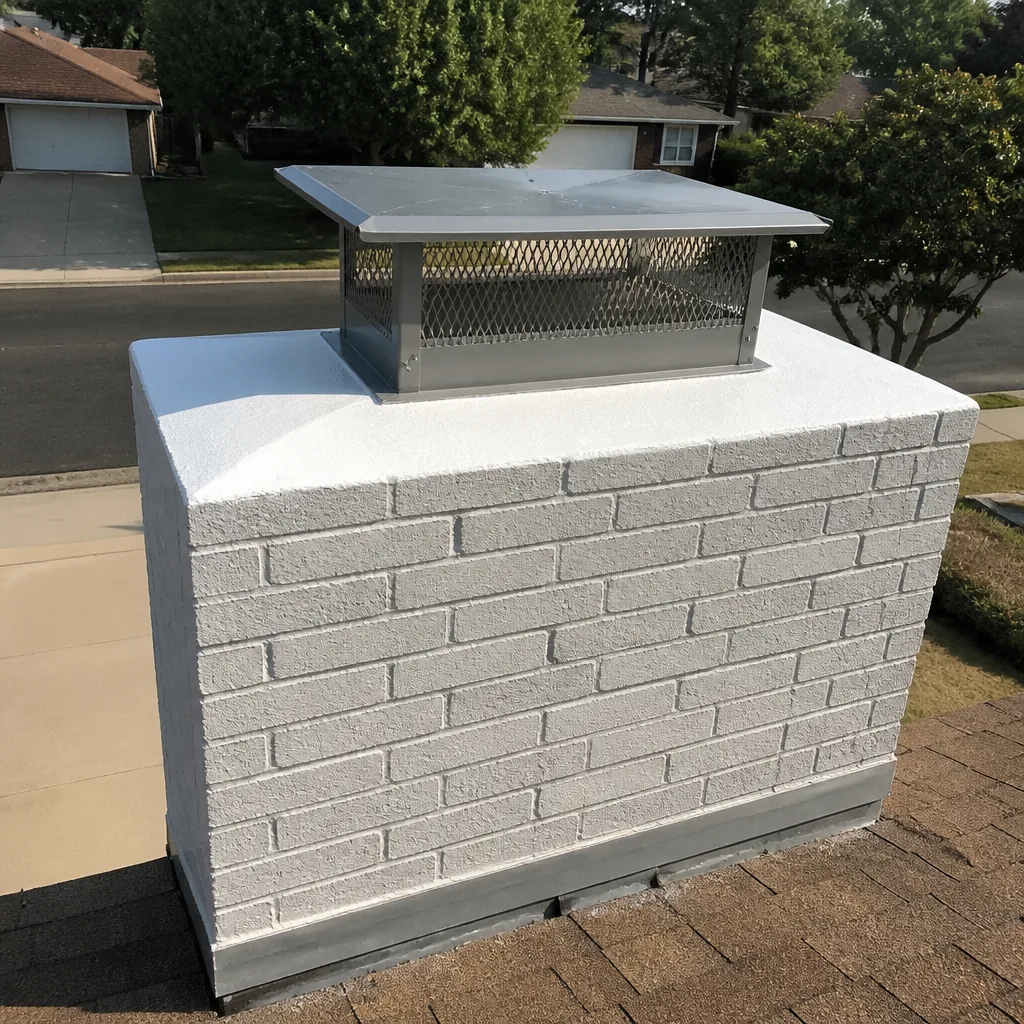 After
After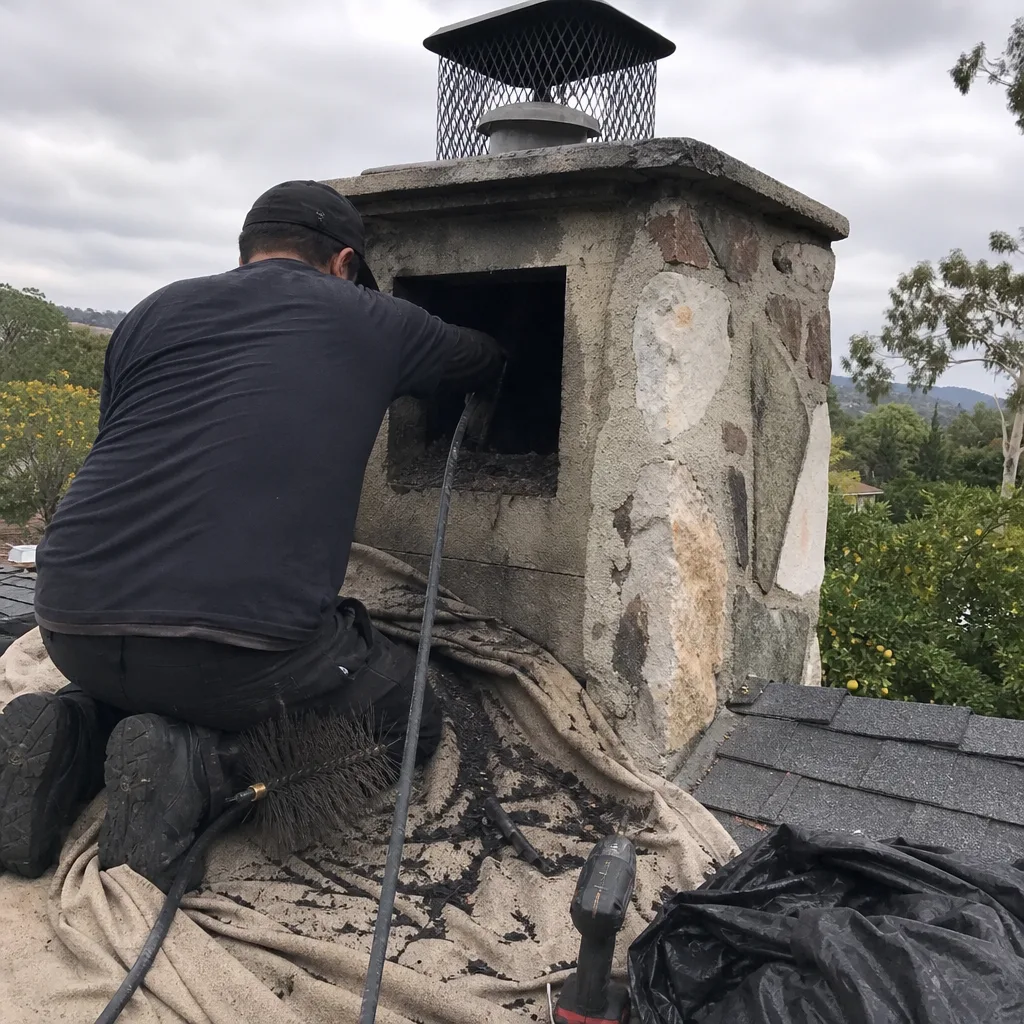 Before
 After
AfterReplacement Cost & What’s Included
In Woodland Hills, an Olympia-style chimney cap replacement runs $385 – $680 installed for a standard single-flue masonry setup. Here’s the breakdown:
Parts: $115 – $280 depending on cap size, whether it’s galvanized or stainless, and whether you need a standard, windscreen, or draft-increasing design. Labor: $220 – $350 for roof access, removal of the old cap, cleaning the flue tile lip, and proper installation with new hardware. Disposal: included, always.
What drives the higher end: multi-flue chimneys needing a custom base, steep roof pitches that require extra safety rigging, or prefab systems where the Olympia twist-lock components need replacement along with the cap. You get a written price before we start, every single time, and that price doesn’t change unless we find something genuinely unexpected, at which point we show you a photo and get your approval before proceeding. Every cap install carries our 365-Day Done Right Promise: if anything about the installation fails in the first year, we come back and make it right for free.
DIY or Call Us?
If you’re comfortable on a ladder and can safely access your chimney, you can absolutely verify your cap’s failure: look for rust, check whether the screen is intact, and confirm the cap sits flush on the flue tile. But the actual replacement is where DIY jobs go sideways. The number one mistake we see is homeowners buying a cap based on the old cap’s dimensions rather than the flue opening itself, ending up with a cap that’s too small or too large. The second most common issue is an insecure mounting job. A cap that’s not properly secured becomes a missile in high wind, and a 10-pound piece of galvanized steel cartwheeling off a Woodland Hills roof is a serious hazard.
Anything beyond a visual inspection from the ground or a safe ladder position is work for a trained professional. We use roof safety harnesses on every steep-pitch job, and our technicians are background-checked and uniformed. Call (559) 249-1347 and we’ll get you a written price before anyone picks up a drill.
FAQs
A galvanized Olympia chimney cap in Woodland Hills typically lasts 5 – 8 years, while a stainless cap usually runs 12 – 15 years before showing significant corrosion. The marine layer moisture, summer heat, and Santa Ana winds in the western San Fernando Valley all work against metal components, and galvanized caps simply give up sooner. If your cap is over 7 years old and you’re seeing rust, replacement is the right call.
In most cases, no. Once the galvanized coating has failed and the steel has started rusting through, patching is a temporary fix that usually costs more per year of service than a new cap. We’ll show you a photo of the corrosion and explain exactly what you’re looking at before we recommend replacement. Call (559) 249-1347 and we can assess it fast.
A standard single-flue masonry chimney cap replacement takes 45 – 90 minutes from setup to cleanup, and most Woodland Hills customers are done before their lunch break ends. Prefab Olympia-style systems take slightly longer because the twist-lock components sometimes need cleaning or minor adjustment before the new cap seats properly.
We stock a range of Olympia-compatible caps in the common flue sizes for Woodland Hills homes, along with replacement options from Copperfield and Famco. If we don’t have your exact size on the truck, we can typically have it within two business days and will install it the same week. You never need to source your own parts, and you shouldn’t, because sizing a cap to your flue is exactly where we see repeat failures from owner-purchased parts.
Written by Cory Mitchell, Owner & Lead Chimney Technician, Hadley Chimney Woodland Hills at Hadley Chimney Woodland Hills, serving Woodland Hills and nearby areas.