
Last updated October 15, 2026
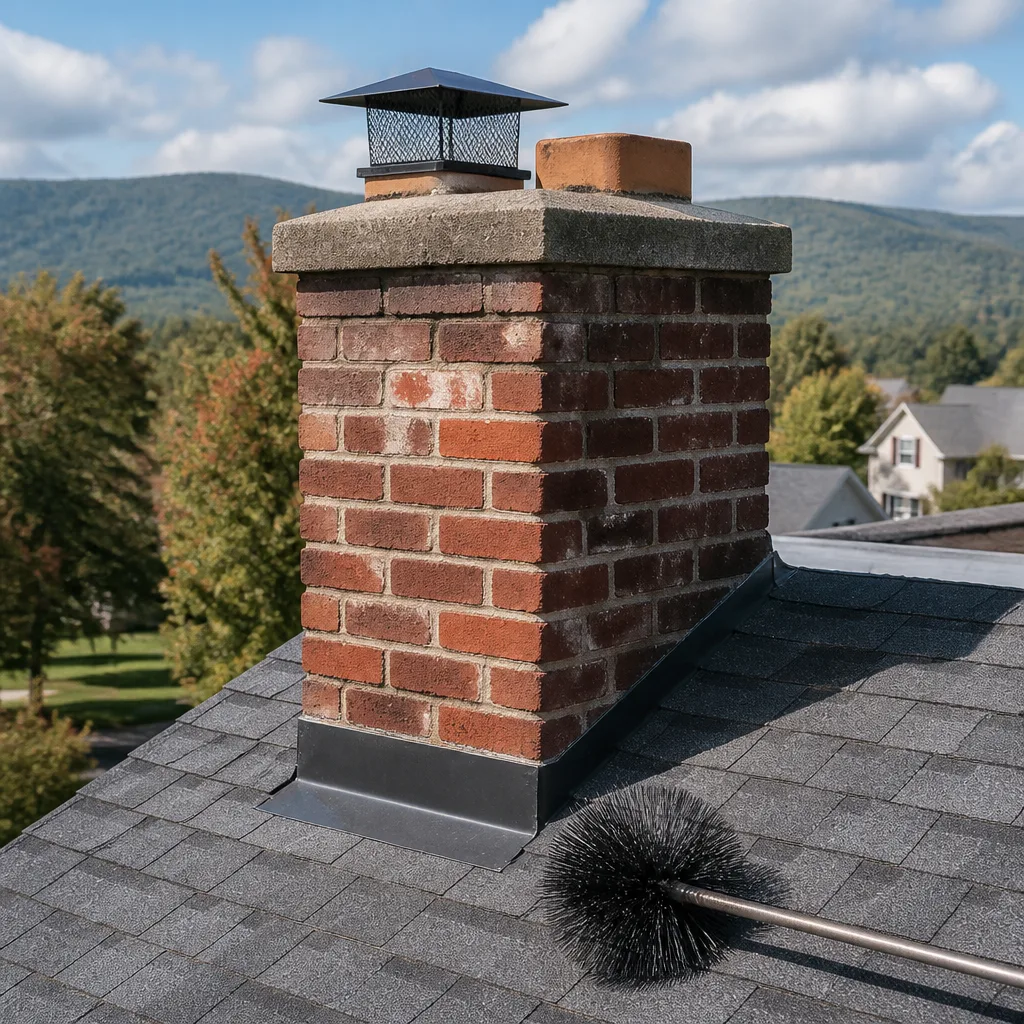 Sweep & inspection
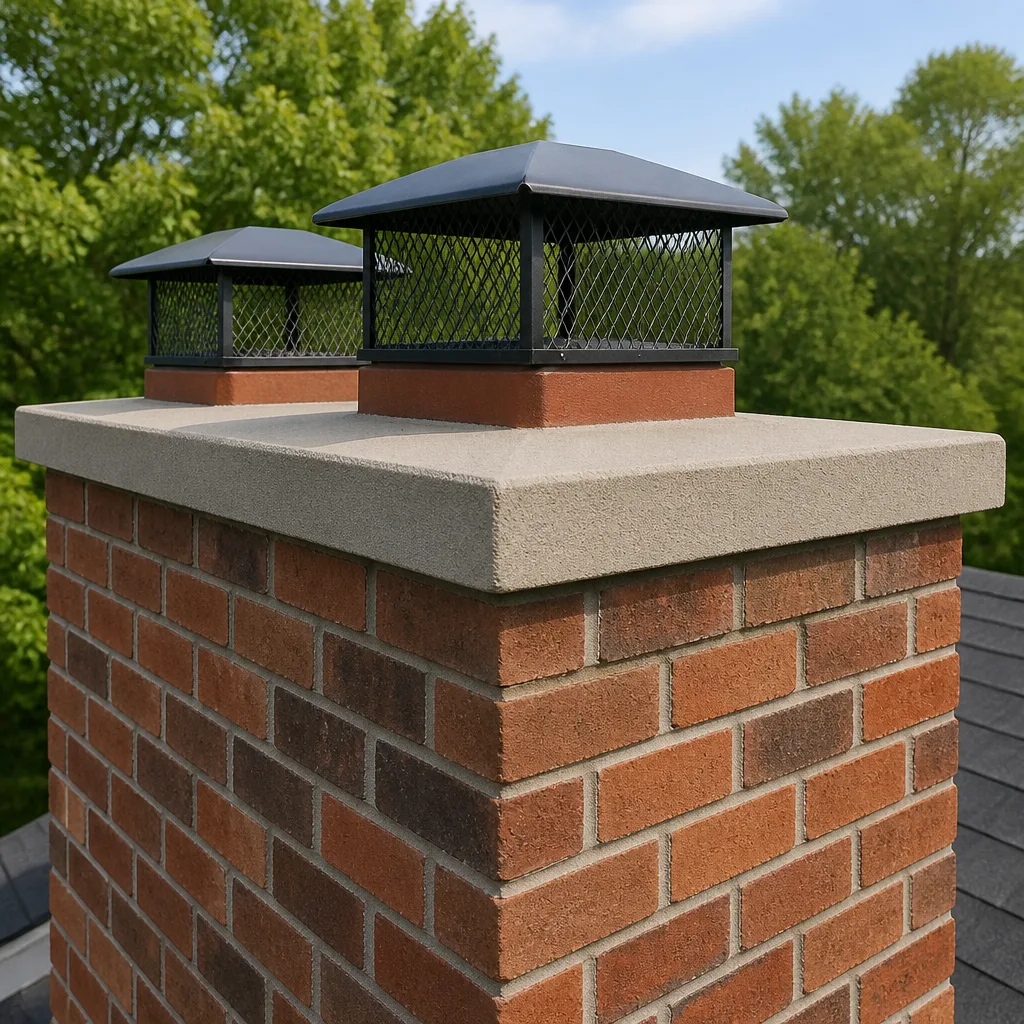 Caps & crowns
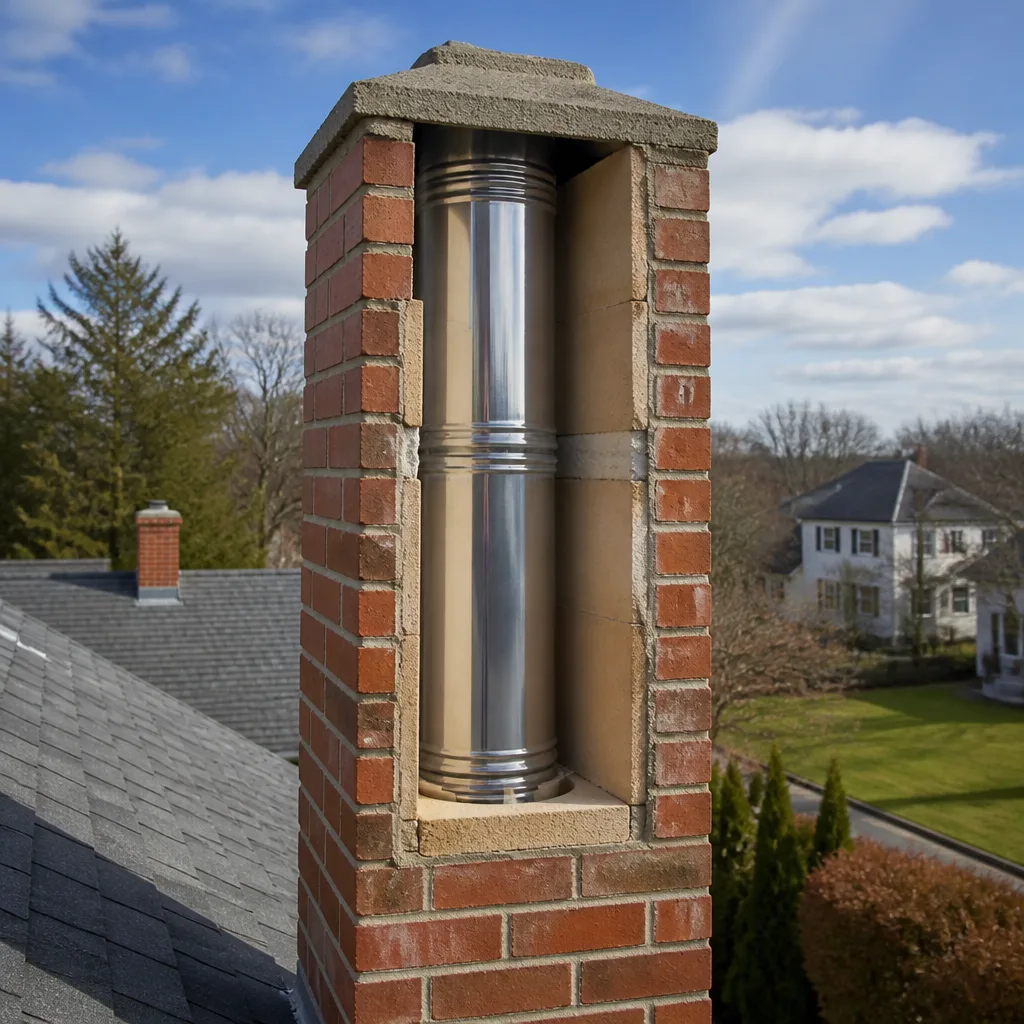 Flue relining
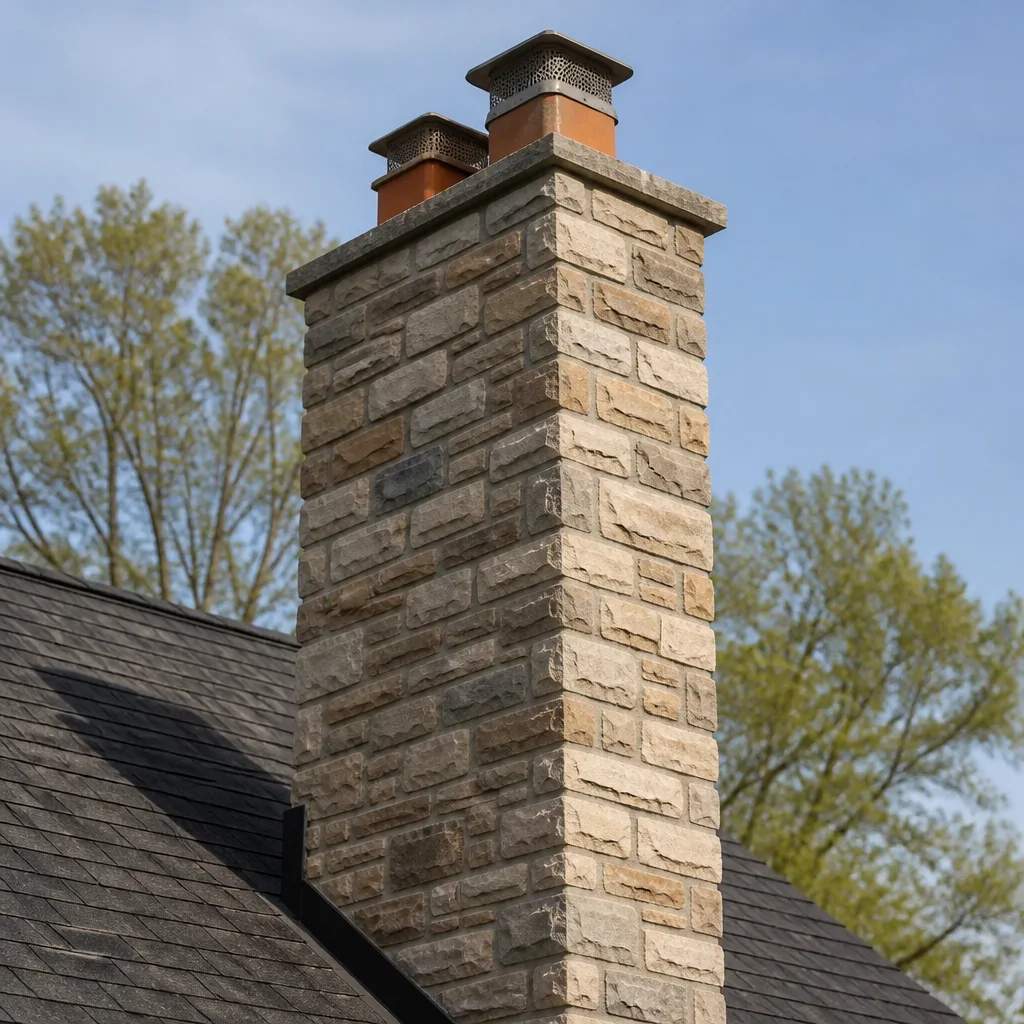 Masonry repair
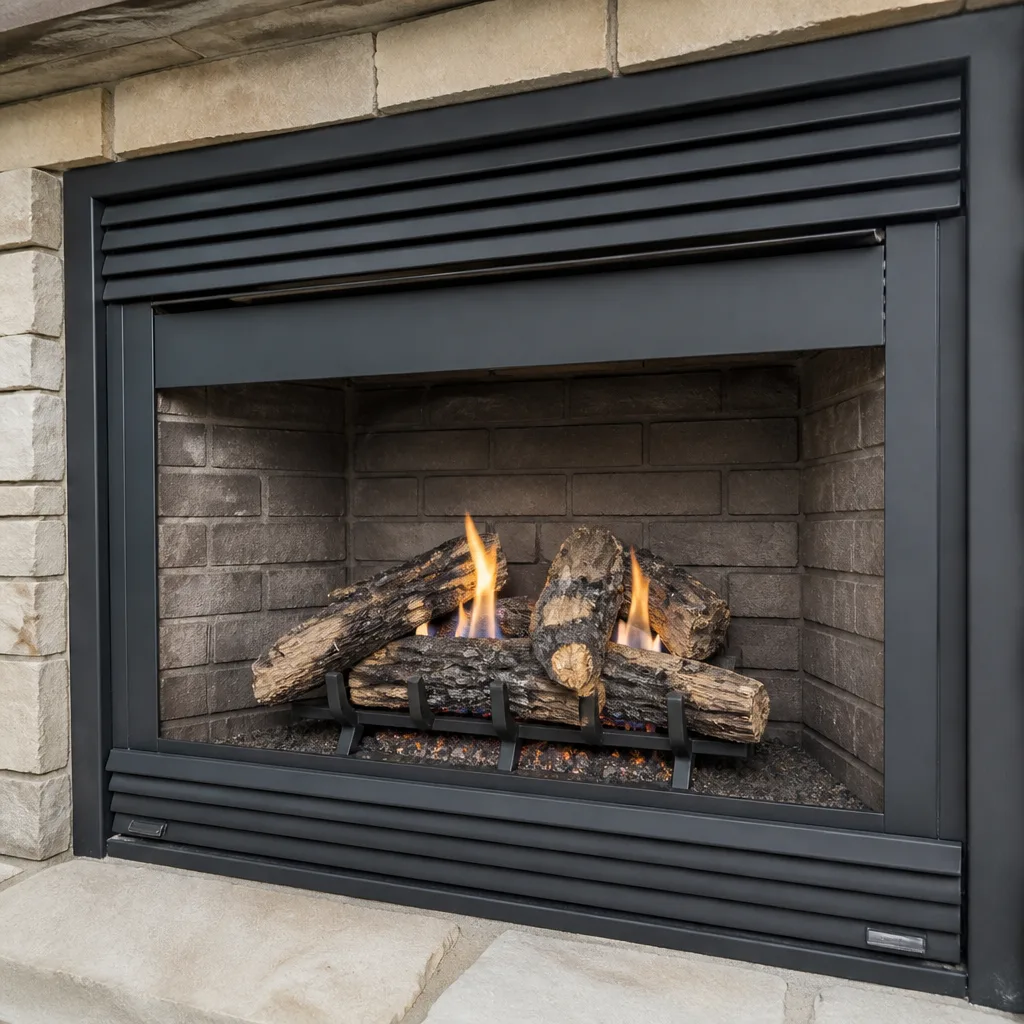 Gas fireplace service
Level 1 sweep and inspection to the NFPA 211 annual standard - flue, crown, cap, and flashing checked and photographed
Chimney sweep logs do not sweep chimneys. They loosen some creosote - which then falls where a brush and vacuum still have to collect it.
Chimney Cleaning Permits, Codes & Inspections in CA: What You Need to Know
Replacing a chimney liner, installing a new cap, or repointing the crown can require a permit in Los Angeles County, but your chimney sweep probably isn’t going to tell you that unless you ask. That’s not a dig at sweeps. Most are honest, hardworking people. It’s a statement about how the trade operates: the cleaning gets quoted, the repairs get recommended, and the permit conversation? It only happens when the homeowner raises it first. This guide exists so you don’t have to. We’ll walk through exactly which chimney projects trigger California Building Code permits, what LAFD requires in Woodland Hills, when a Level 2 inspection is legally mandated, and how to verify prior chimney work was actually permitted before you close on a house. By the end, you’ll know more about chimney code than most people who sell chimney repairs.
Quick Answer
A standard chimney cleaning or sweep does not require a permit anywhere in California. However, most chimney repairs and alterations, including liner replacement, crown rebuilding, firebox reconstruction, and installing a gas insert into a wood-burning fireplace, do require a permit from the Los Angeles County Department of Building and Safety, and fire-safety clearances must meet LAFD standards in Woodland Hills.
Styles & brands we work with
Table of Contents
- Chimney Cleaning vs. Chimney Construction: Where California Draws the Line
- California Building Code Sections That Govern Chimney Work
- LAFD Fire Prevention and Woodland Hills Fire Hazard Zones
- What a Level 2 Inspection Is and When California Requires One
- Gas Inserts into Wood-Burning Fireplaces: The Permit Most Homeowners Miss
- How to Check Permit History on a Woodland Hills Home Before You Buy
- What You Can Safely Do Yourself (and What You Shouldn’t)
- Common Mistakes to Avoid
- When to Call a Professional
- Frequently Asked Questions
Chimney Cleaning vs. Chimney Construction: Where California Draws the Line
Here’s the cleanest way to think about it: sweeping a chimney is maintenance. Rebuilding any part of it is construction. California treats these two categories completely differently, and the line between them matters more than most Woodland Hills homeowners realize.
A chimney sweep, the actual brushing and vacuuming of creosote (the flammable tar buildup that makes chimneys a fire risk), falls under routine home maintenance. No permit. No inspection. No paperwork. You hire a chimney sweep in Woodland Hills, they clean the flue, they hand you a report, and that’s it. The same goes for minor component replacements: a deteriorated rain cap swapped for a new one, a set of glass doors fitted to the firebox opening, a damper plate replaced.
But the moment you start altering, rebuilding, or retrofitting the chimney structure itself, California Building Code Chapter 1, Section 105 kicks in. That’s the “Work Exempt from Permit” section, and it lists what doesn’t need a permit far more narrowly than people assume. Here’s the practical breakdown:
- No permit needed: routine sweeping, creosote removal, minor cap replacement, damper repair, firebox glass door installation, smoke test or camera inspection.
- Permit required: chimney liner installation or full replacement, flue tile repair that involves removing masonry, crown rebuilding or extensive repointing, firebox rebuilding, chimney height extension, structural repair after earthquake damage, installing or converting to a gas insert, installing a wood stove with new venting.
Why the strict line? Because California considers anything that affects how combustion gases exit your home a life-safety issue. A poorly installed liner doesn’t just leak smoke. It can leak carbon monoxide into bedrooms. A cracked firebox can let heat reach wall framing. The state’s logic is simple: cleaning removes danger, construction changes the system that prevents danger.
In Woodland Hills, we see this distinction play out constantly. A home built in the 1960s in neighborhoods like Woodland West or Walnut Acres still has its original terra-cotta flue liner. The owner books a cleaning. The sweep discovers chimney cleaning warning signs Woodland Hills homeowners should watch for, like flue tiles cracked from decades of heating and cooling cycles. The recommendation is a new stainless liner from a brand like DuraFlex. That’s when the permit conversation happens, or doesn’t happen, depending on who you hired.
California Building Code Sections That Govern Chimney Work
The California Building Code, known as Title 24, Part 2, is the rulebook every permitted chimney project in Woodland Hills must follow. You don’t need to read all 1,500 pages. You do need to understand the sections that apply to residential chimneys, because they’re the exact same sections a city inspector will cite if unpermitted work turns up.
Let’s translate the legalese into plain words.
Section 2112: Masonry Chimneys. This section governs how masonry chimneys must be built and altered. It specifies wall thickness, mortar type, flue liner requirements, and clearance to combustible materials. The key number: combustible framing must be at least 2 inches away from the exterior of a masonry chimney, and the flue liner must extend at least 4 inches above the top of the crown. If a repair changes any of these dimensions, it changes the code compliance of the entire chimney. That’s a permit event.
Section 2113: Masonry Chimney Construction. This deals with foundation requirements, seismic reinforcement, and structural anchoring. In Woodland Hills, this section matters more than in most of California. We sit on the northern edge of the Los Angeles basin, close to the Santa Susana Fault and the Northridge rupture zone. Chimneys took catastrophic damage in both the 1971 Sylmar and 1994 Northridge earthquakes, and today’s seismic reinforcement requirements exist because of what those events taught engineers. Rebuilding a chimney after earthquake damage requires a permit, full stop, and often an engineered plan.
Section 2119: Fireplace and Chimney Connectors. This covers the connection between a fireplace or stove and the flue. It sets minimum sizes for connector pipes, requires them to be made of specific materials, and mandates clearances that keep heat from igniting framing. Installing a wood stove or updating venting in an existing fireplace engages this section directly.
Section R1001 through R1006 in the California Residential Code: If you live in a single-family home, your chimney work is actually governed by the California Residential Code, which incorporates many of the same standards with residential-specific adjustments. The practical result is the same: alterations require permits, inspections are triggered, and the work must be done by a contractor who pulls the permit.
The blanket statement you’ll hear from some sweeps, that “we never need a permit for chimney work,” is simply false in California. Routine cleaning, yes. Repair work that alters the structure, no. If a contractor tells you no permit is needed and the job involves a liner, firebox, crown, or insert, call the LA County Department of Building and Safety yourself and ask. They’ll tell you the truth in five minutes.
LAFD Fire Prevention and Woodland Hills Fire Hazard Zones
Woodland Hills sits in a unique regulatory position. We’re inside the Los Angeles city limits, so LAFD fire code applies. But large sections of the community, especially everything north of the 101 and into the foothills of the Santa Monica Mountains, fall within a Very High Fire Hazard Severity Zone as designated by CAL FIRE. That double layer of fire authority means chimney rules here are stricter than in Santa Monica or Culver City.
The Los Angeles Municipal Code incorporates the California Fire Code and adds local amendments. Fire Code Section 603 regulates chimney and fireplace operation. In Very High Fire Hazard Severity Zones, LAFD requires spark arrestors on all chimneys, regardless of what fuel you burn. The arrestor mesh must be no larger than half an inch, and it must be in good condition. A corroded or missing spark arrestor in a designated hazard zone is a code violation, and in brush-adjacent neighborhoods like Box Canyon or the ridges above Valley Circle Boulevard, LAFD inspectors do enforce this.
What does this mean for you practically? Three things.
- If your home is in a Very High Fire Hazard Severity Zone, a spark arrestor isn’t optional. It’s legally required, and a missing or damaged one should be addressed before fire season begins.
- Creosote buildup is treated as a fire-code hazard, not just a maintenance issue. LAFD won’t typically come door to door checking creosote levels, but if a chimney fire occurs and the investigation shows excessive buildup, your insurance claim gets complicated quickly.
- New construction or major alterations in hazard zones face additional setbacks and screening requirements. If you’re adding a chimney to a new structure in Woodland Hills, expect fire-safety review as part of the permit process.
We’ve also seen a shift in how insurance carriers treat Woodland Hills homes with older chimneys. Some insurers now require a certified chimney inspection before writing or renewing policies in the foothill areas, specifically looking at spark arrestor condition, liner integrity, and clearance to adjacent vegetation. It’s not a code requirement per se, but it’s become a de facto inspection trigger for many homeowners in neighborhoods like Woodland Hills Estates.
What a Level 2 Inspection Is and When California Requires One
Chimney inspections come in three levels, defined by the National Fire Protection Association Standard 211. Level 1 is visual, Level 2 is detailed with camera or access equipment, and Level 3 is invasive, opening walls or removing masonry to examine hidden areas. Most homeowners never hear the distinction until it matters.
A Level 2 inspection goes beyond what a sweep can see with a flashlight from the firebox. It includes camera inspection of the entire flue interior, examination of all accessible exterior and interior portions of the chimney, inspection of the attic, crawlspace, and roof areas around the chimney, and verification of proper clearances to combustibles. The camera feed shows you exactly what the inspector sees, which is why this inspection produces documentation you should keep permanently.
Here’s when a Level 2 inspection is legally required in California, under NFPA 211 and the California Fire Code:
- Upon sale or transfer of the property. This is the big one. When you sell a home in Woodland Hills, the buyer’s home inspection will often flag the chimney if it hasn’t been inspected. A Level 2 documents the condition and clears the sale.
- After any exterior fire event. If a brush fire came close to your home, or if a neighboring structure burned, a Level 2 confirms whether your chimney sustained heat damage.
- After a chimney fire. Even a small one. Chimney fires can crack flue tiles invisibly from the outside.
- After any seismic event strong enough to be felt. Given our fault lines, this applies to most Woodland Hills homeowners after any moderate earthquake.
- Before any change in fuel type or appliance. Converting from wood to gas is the most common example.
- Building permit application filed with LA County Department of Building and Safety, accompanied by the manufacturer’s installation instructions and specifications for the insert you’re installing.
- Mechanical and plumbing review covering the venting system (which must be a sealed, direct-vent or B-vent system sized for the appliance) and the gas line connection (which must be sized correctly, tested, and accessible).
- Installation by a contractor licensed for gas work. In Los Angeles, that means a C-20 HVAC contractor or a general contractor with a properly licensed gas technician doing the connection.
- Inspection by a County inspector who verifies the vent termination, the gas connection, the clearance to combustibles, and the operation of the unit.
- Final sign-off added to the property’s permit record, which becomes part of the home’s permanent documentation.
- Go to the LA County Department of Building and Safety website and navigate to the Building Records section. The online portal is called the Building and Safety Permit Clearance System, and it allows address-based searches.
- Enter the property address. For older Woodland Hills homes, be aware that street numbering changed in some areas decades ago. If the current address doesn’t return results, try the cross street or check with the County for the historical address.
- Review the permit list. Every permitted chimney project should appear with a description of work, issue date, and final inspection status. Look specifically for permits referencing “fireplace,” “chimney,” “liner,” “gas line,” or “venting.”
- Flag any permit that was issued but never finaled. An open permit is worse than no permit in some cases, because it means the County knows work happened but was never signed off. It becomes a lien-adjacent complication for the property.
- If you see gas insert installation but no permit, ask the seller about it. The right question is: “Was this installed with a permit, and can you provide the inspection record?”
- Visual inspection from ground level. Binoculars from the street or backyard can show you obvious issues: missing cap, crumbling crown, visible cracks in the masonry.
- Firebox inspection. With a flashlight, from inside the house, you can check for loose firebrick, visible cracks in the firebox walls, or excessive ash buildup.
- Keeping the area clear. Removing stored items from near the hearth, keeping furniture at a safe distance, and making sure the damper operates before burning season starts.
- Basic exterior upkeep. Making sure no tree branches hang within 10 feet of the chimney opening, which is both a fire-code and common-sense requirement.
- Climb onto a two-story roof to access the chimney. Falls from roof height are the leading cause of serious DIY injuries. Roof work in Woodland Hills often means clay tile that cracks under foot pressure, which creates a second problem alongside the first.
- Attempt to remove a stuck damper or repair flue tiles. Internal chimney repairs require specialized tools and an understanding of how the system drafts. Doing it wrong creates a carbon monoxide risk.
- Install any gas component. Gas line work of any kind requires a licensed professional in California. No exceptions.
- Reconstruct any masonry. If bricks are loose, the crown is cracked, or the mortar joints are failing, that’s a structural repair requiring a permit and professional work.
- Assuming no permit means no problem. Unpermitted chimney work becomes your liability the day you take title. If you’re the one who hired the contractor, you own the code violation, and if an inspector flags it later, the repair and permit costs are yours.
- Trusting a verbal quote for chimney repair. In Woodland Hills, a liner replacement runs $2,800 to $6,500 depending on chimney height, liner material, and access. If you don’t have a written price before work starts, you’re negotiating after the fact, from a weak position. Every Hadley Chimney Woodland Hills job includes a written price before any work begins, which we’ve found eliminates most disputes before they start.
- Skipping the Level 2 inspection before listing your home. The buyer’s inspection will find issues anyway. Finding them first lets you priced the repair into the sale or fix it on your own timeline, not under an escrow deadline.
- Installing a gas insert without checking permit status. This is the single most expensive paperwork mistake in Los Angeles chimney work. The retrofit is safe and common, but the unpermitted version haunts resale.
- Ignoring the spark arrestor requirement in hazard zones. If you live north of the 101 in Woodland Hills, this isn’t a suggestion. It’s a code requirement with fire-season enforcement.
- Filing away the Level 2 report and losing it. That document proves the condition of your chimney at a point in time. Scan it, store it in the cloud, and keep it with your home’s permanent records. You’ll need it at resale.
- Hiring based on price alone for permitted work. A contractor who says the permit is “included” but can’t produce a permit number is not including a permit. Verify the permit exists before you pay the deposit.
The Level 2 report is your legal documentation. It shows the condition at a point in time, which is why it’s referenced in real estate transactions and insurance claims. If a prior owner had work done and claims it was permitted, the Level 2 report is where you start verifying that.
Gas Inserts into Wood-Burning Fireplaces: The Permit Most Homeowners Miss
Of every chimney project we see in Woodland Hills, converting a wood-burning fireplace to a gas insert is the one where homeowners most consistently skip the permit conversation. It feels simple. You’re putting a gas appliance where a fire already went. No new chimney, no new hole in the roof. What’s the big deal?
The big deal is that you’re introducing a gas line into a structure originally designed for solid fuel combustion. That change engages the California Mechanical Code, the Plumbing Code for the gas line itself, and the building code for the venting configuration. It’s legally a permitted alteration, and when it’s done without a permit, the homeowner owns the liability.
The permit process for a gas insert in Woodland Hills works like this:
The unpermitted version looks identical from the living room couch. That’s the problem. A homeowner can have a gas insert installed, enjoy it for six years, and discover during the sale process that there’s no permit on file. The buyer’s lender flags it, the buyer asks for remediation, and suddenly the seller is paying to retroactively permit a six-year-old installation. We’ve watched this exact scenario delay closings in Woodland Hills more times than we can count.
The fix before it becomes a crisis is a straightforward Level 2 inspection plus a permit record pull. If you’re buying a home with a gas insert, check the permit. If you’re selling, check it before you list. Both are easier than negotiating it mid-escrow.
How to Check Permit History on a Woodland Hills Home Before You Buy
This is the most underutilized due-diligence step in Los Angeles real estate, and it’s free. The County maintains a public database of every permit issued for every property, and it’s searchable by address.
Here’s the step-by-step process:
For homes in Woodland Hills built before the 1960s, be prepared for gaps in the digital record. The County digitized records going back to certain years, but some older permits exist only on microfilm and require a manual records request, which can take two to four weeks. If you’re in escrow, start this process immediately.
What you’re looking for is confirmation that the physical condition of the chimney matches the documented history of the home. Rebuilt crown with no permit? Red flag. New liner with no permit? Red flag. Gas insert with no permit? Red flag. None of these are automatic deal-breakers, but all of them are negotiation points and future liability.
What You Can Safely Do Yourself (and What You Shouldn’t)
There’s a genuine temptation to buy a brush kit from a home improvement store and clean your own chimney. We understand why. It looks straightforward. But chimney cleaning involves climbing onto a roof, which in Woodland Hills often means a steep pitch, clay tile roofing, and the kind of height that makes a fall genuinely life-threatening. That’s not scare-selling. That’s the reality of roof work.
Things you can reasonably do yourself:
Things you should not do yourself:
The honest guidance in our Chimney Sweep Maintenance Checklist for Woodland Hills Homeowners is: the cleaning itself is the service you hire. The knowledge that comes from the inspection is the reason you hired it. A proper sweep doesn’t just remove creosote. They identify what needs attention before it becomes an emergency, and they show you photos so you can make an informed call without standing on the roof.
Common Mistakes to Avoid
When to Call a Professional
If you notice smoke backing up into the room when the fireplace is lit, call before burning again. If you see water staining on the ceiling near the chimney, call the same day you notice it. If your home inspector flags any chimney item during escrow, call before you respond to the request. And if you’ve never had your chimney inspected since buying the home, there’s no bad time to start. A proper inspection answers three questions: What’s the current condition? What needs attention now? What can safely wait? You deserve that information in writing, with photos, before anyone picks up a brush. Hadley Chimney Woodland Hills offers free estimates in Woodland Hills. We’ll inspect, document, and give you a written price for any needed work before anything starts. Call (559) 249-1347 and a real person answers.
Frequently Asked Questions
A standard chimney sweep and Level 1 inspection in Woodland Hills typically runs $180 to $300, depending on chimney height, accessibility, and creosote buildup. If the sweep includes a Level 2 camera inspection, expect to add $100 to $250. Homes with steep roofs or difficult access on hillside lots north of the 101 may see higher quotes due to safety equipment and extra time. Every Hadley Chimney Woodland Hills job includes a written price before work begins, so you’ll know the exact number before we touch the chimney. Call (559) 249-1347 for a free estimate.
Yes. Chimney liner replacement is an alteration to the venting system of the home, and California Building Code requires a permit for it. The permit triggers an inspection once the liner is installed, which verifies the installation meets clearance, sizing, and material standards. An unpermitted liner replacement will surface at resale and becomes a negotiation problem. We install DuraFlex liner systems under permit for Woodland Hills homeowners, and we’ll walk you through what the inspector looks for and what the documentation will show.
The National Fire Protection Association recommends cleaning any chimney when creosote buildup reaches one-eighth of an inch, regardless of time. For most Woodland Hills homes that burn wood regularly, that translates to an annual sweep before burning season. Homes that burn primarily gas or rarely use the fireplace can often go two to three years between cleanings, but they should still get an annual visual inspection to catch water intrusion, animal nesting, or masonry deterioration early.
Creosote builds up on the flue walls, and at a certain thickness it becomes a fuel source. A chimney fire burns extremely hot and can crack flue tiles, damage the liner, and in the worst case ignite framing around the chimney. Water intrusion through a cracked crown deteriorates mortar joints, and over several seasons, the chimney begins to lean or shed bricks. None of this is catastrophic in year one, but all of it compounds. The maintenance sweep is the cheapest version of this problem. Call (559) 249-1347 if you’ve gone more than two years without one.
Yes, for homes in areas designated as Very High Fire Hazard Severity Zones, which includes significant portions of Woodland Hills north of the 101. LAFD and the California Fire Code require a spark arrestor with mesh openings no larger than half an inch on all chimney terminations in these zones. The arrestor prevents embers from escaping the chimney and igniting nearby vegetation or structures. If your arrestor is missing, corroded, or damaged, it should be replaced before fire season.
An unpermitted gas insert doesn’t automatically void your policy, but if a fire or gas-related incident occurs and the investigation finds an unpermitted installation, your claim can be denied or reduced. Insurance carriers look for code compliance when determining payout. The safer path is to install the insert under permit, keep the inspection record, and notify your insurer of the change. Hadley Chimney Woodland Hills handles gas insert installation and repair under permit, and we’ll help you understand exactly what documentation the insurer will ask for.
The Bottom Line
Chimney cleaning in California sits on the safe side of the permit line. Routine sweeps and minor component replacements need no paperwork. But the repairs those cleanings often reveal, liners, crowns, fireboxes, gas inserts, live on the other side, where permits are required and inspections document the work. In Woodland Hills, that line is drawn even more carefully because LAFD fire-code requirements and Very High Fire Hazard Severity Zone designations add spark arrestor and clearance rules that don’t exist everywhere. The practical takeaway: get your chimney cleaned and inspected regularly, check permit history before you buy or sell a home, and when repairs are recommended, insist on a written price, a permit when one is required, and photo documentation of the work. For additional help, see our more guides & resources. That’s not extra. That’s the baseline standard any homeowner should expect.
Written by Cory Mitchell, Owner at Hadley Chimney Woodland Hills, serving Woodland Hills since 2003.
See the difference
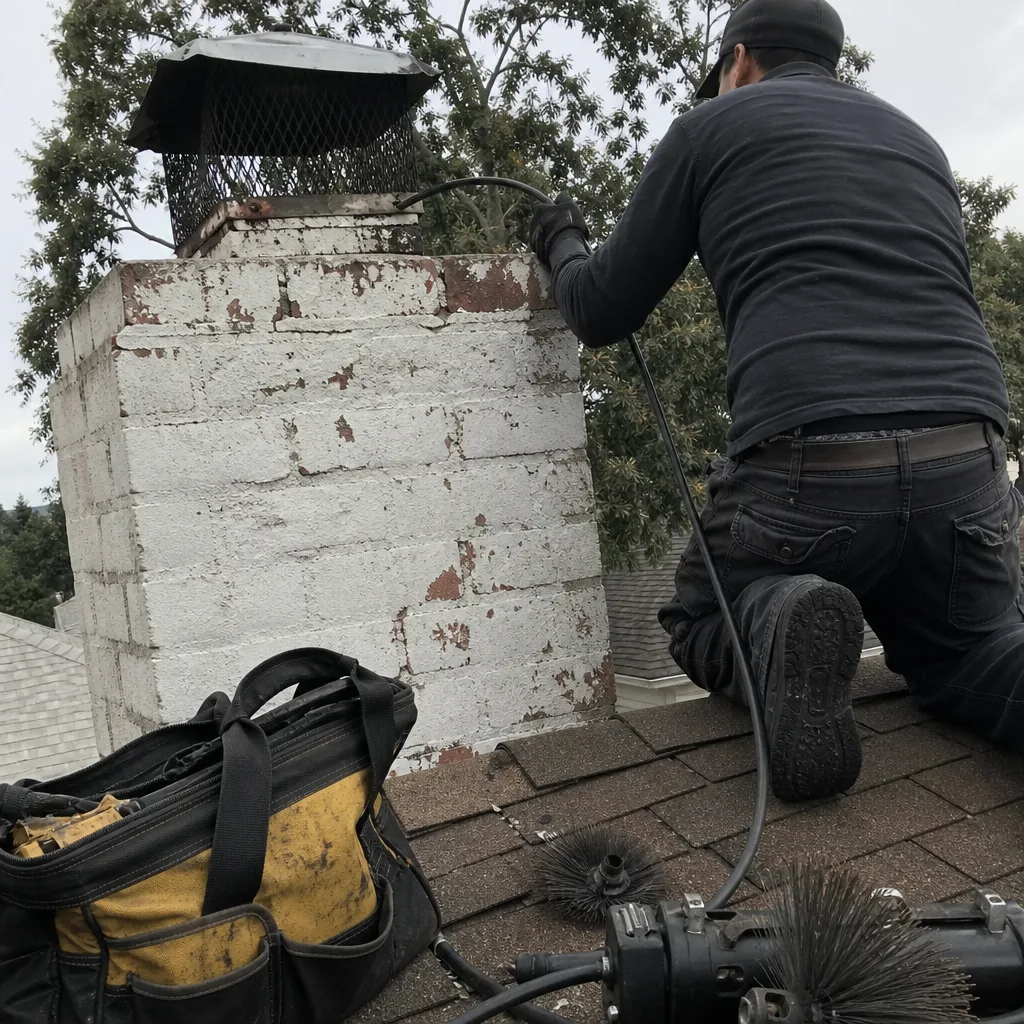 Before
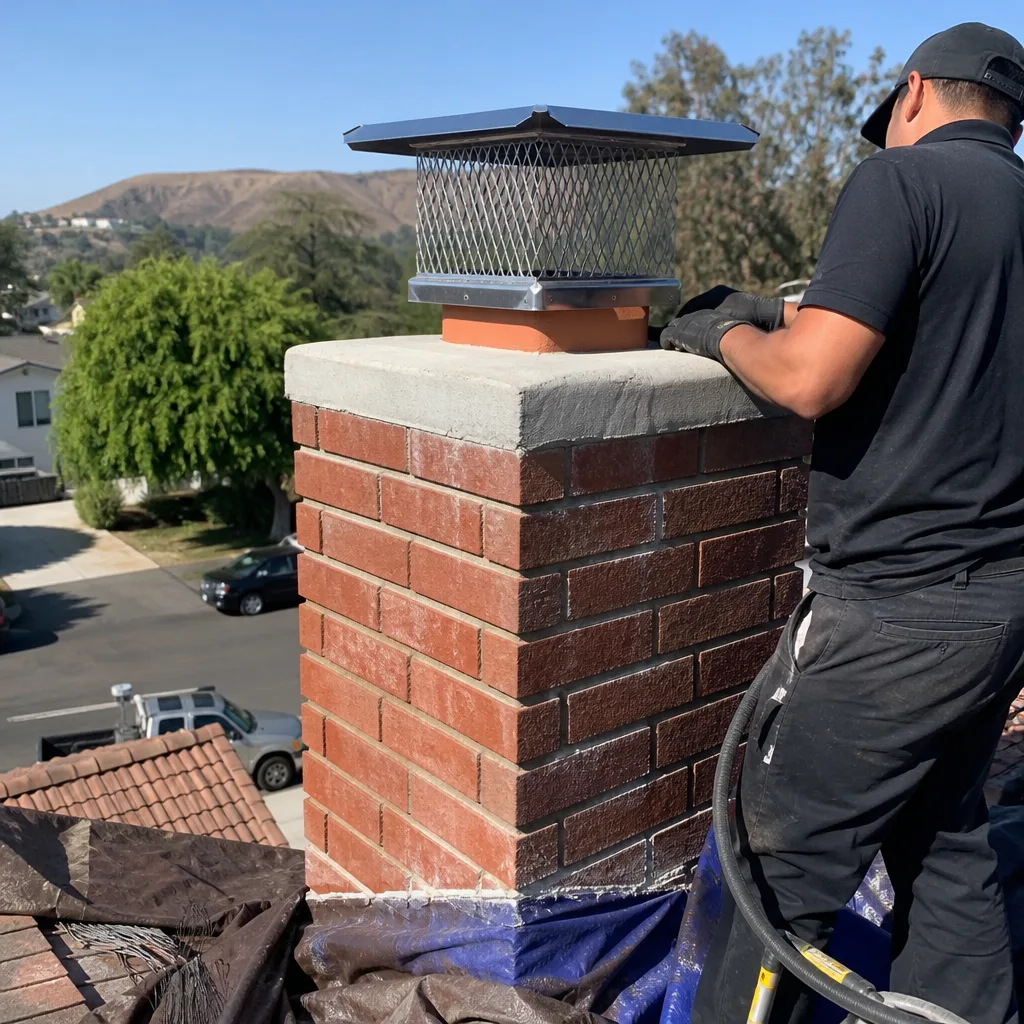 After
After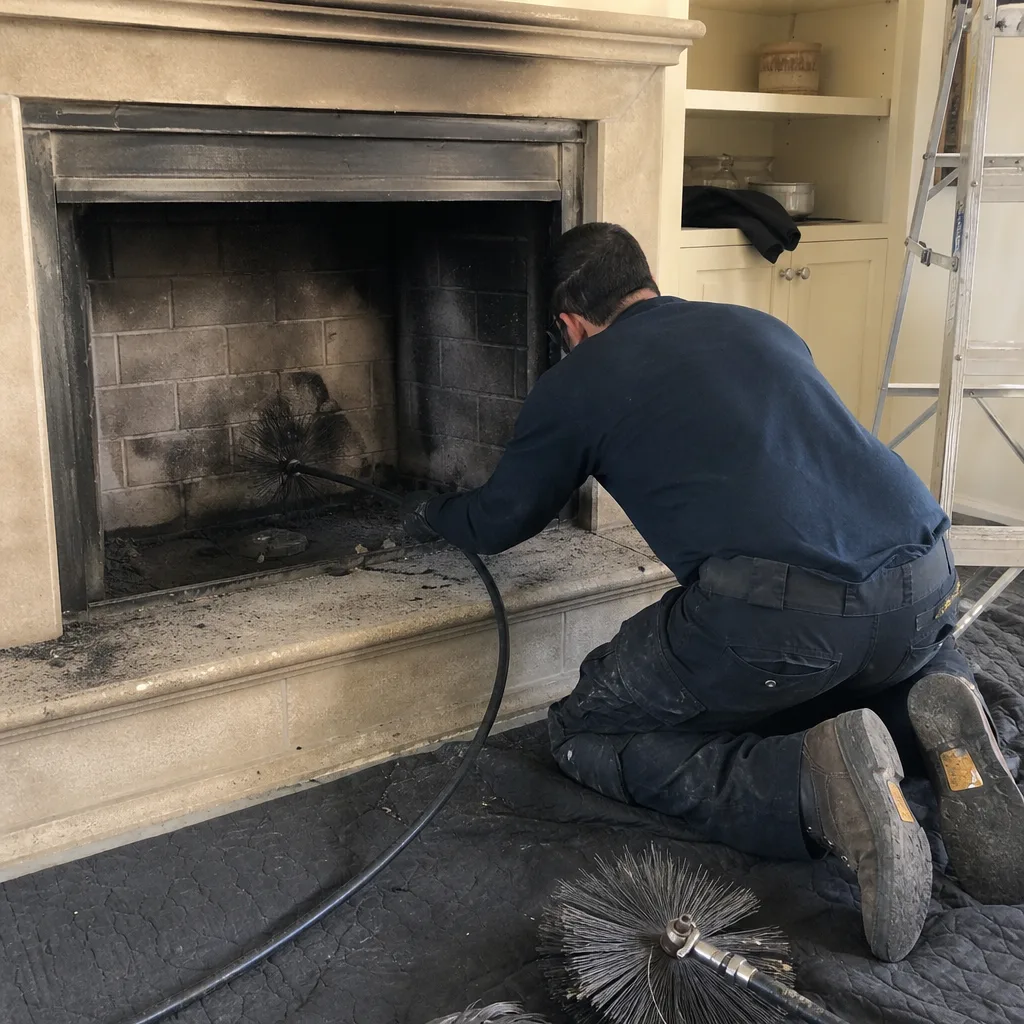 Before
 After
After Before
 After
After