
Last updated October 15, 2026
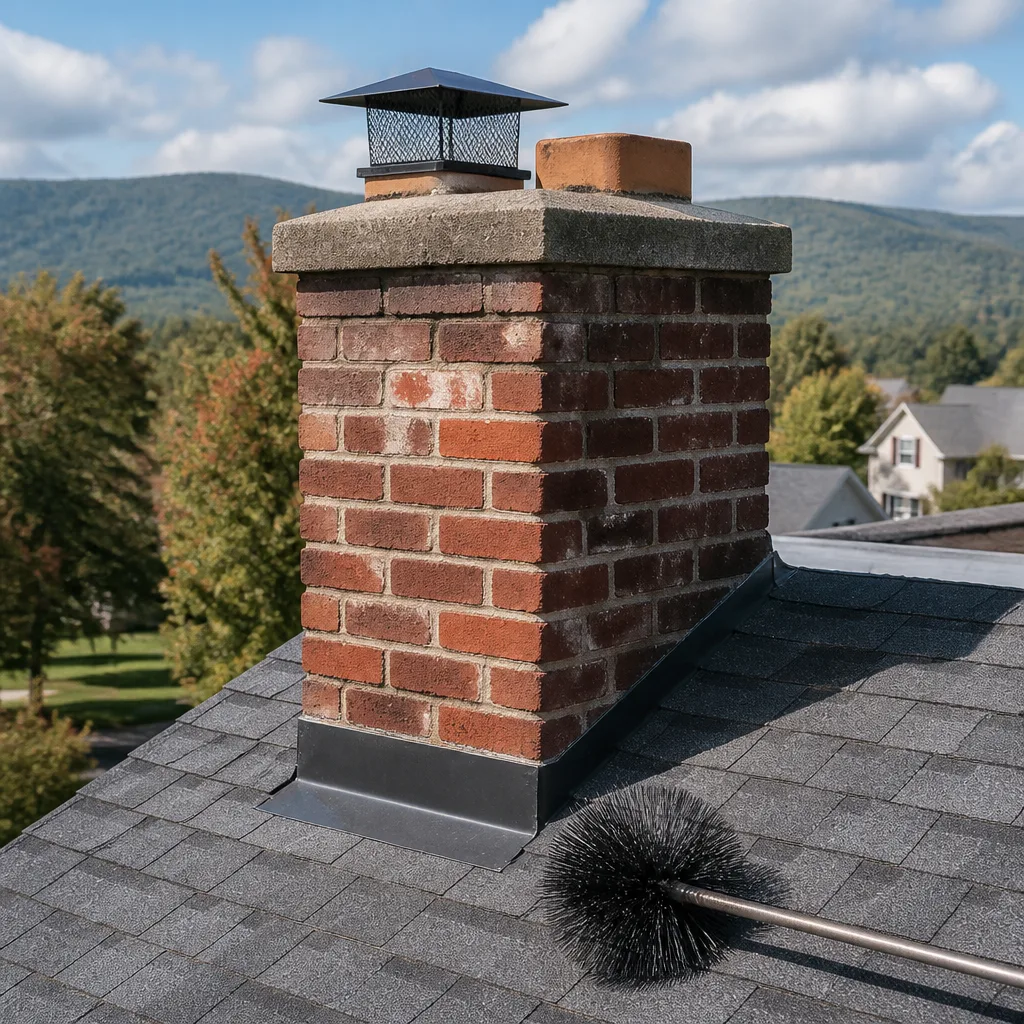 Sweep & inspection
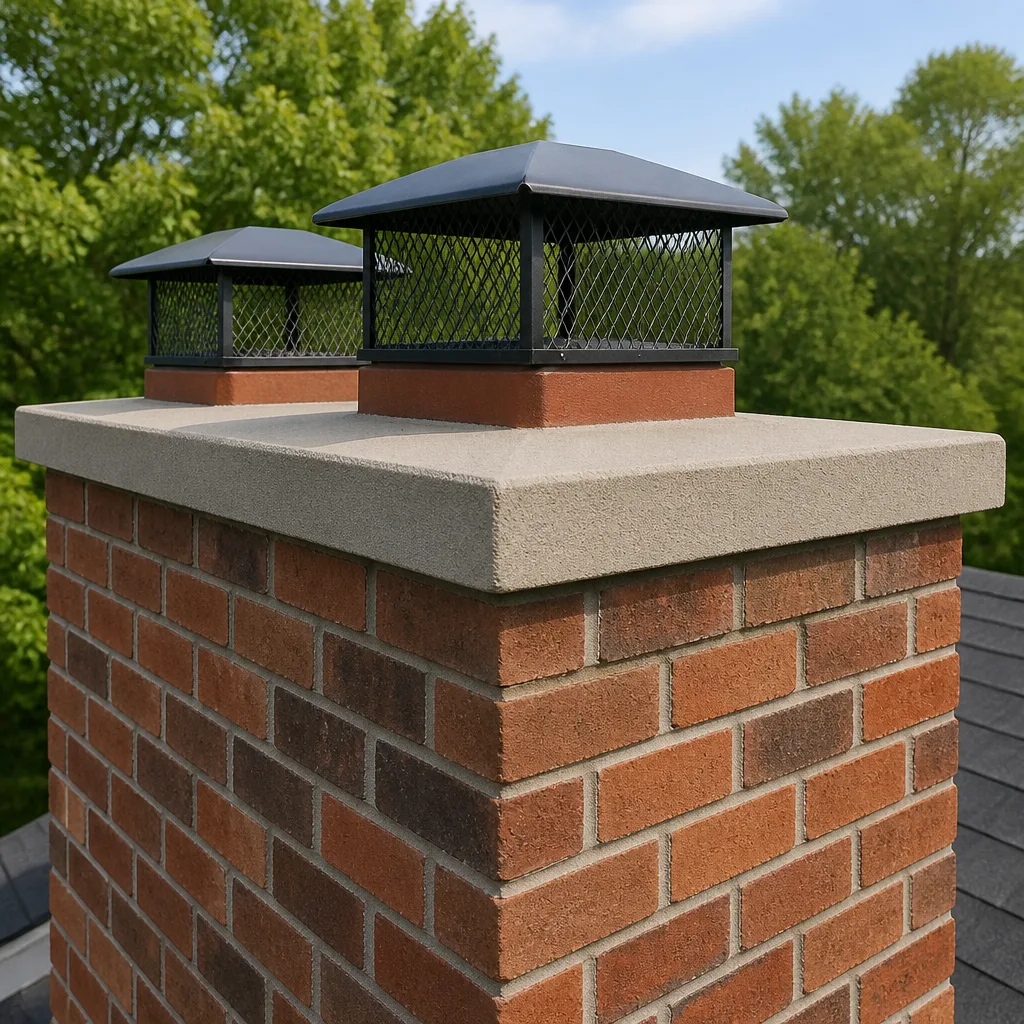 Caps & crowns
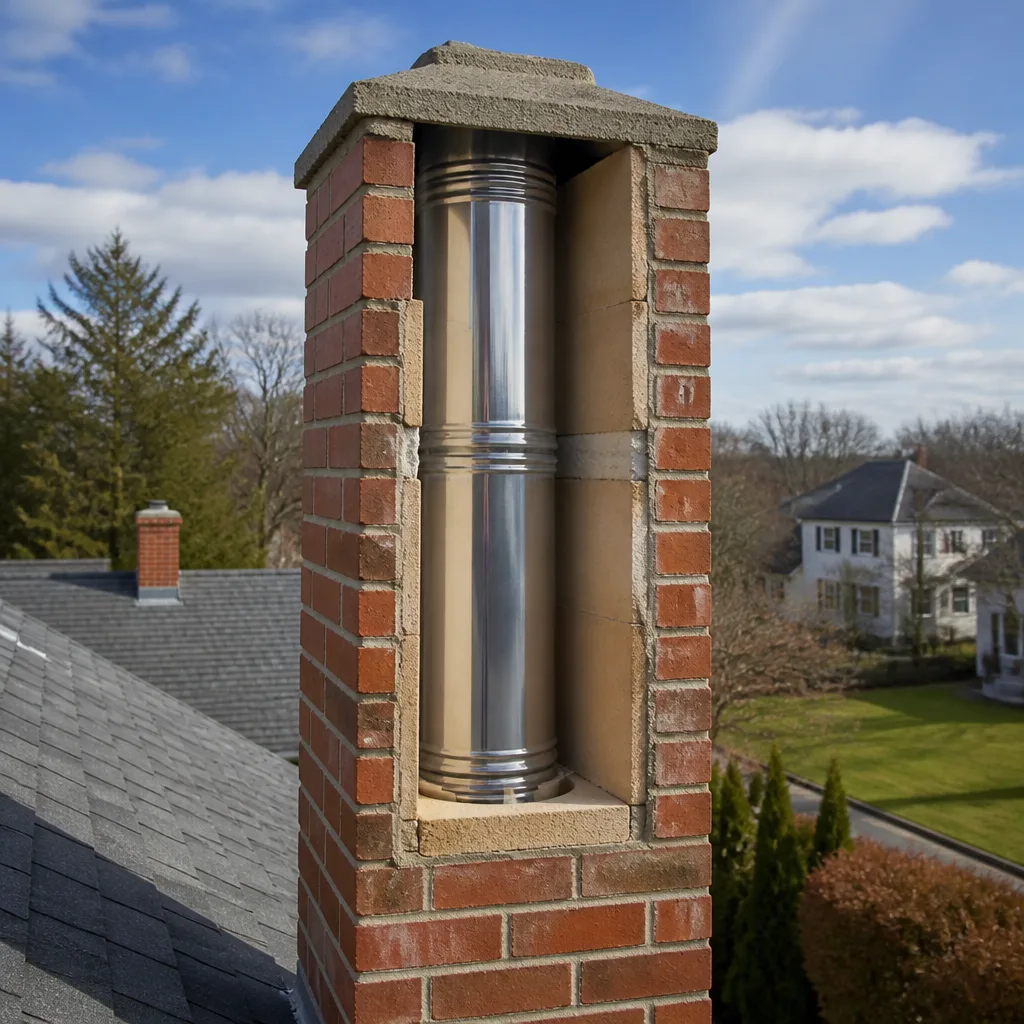 Flue relining
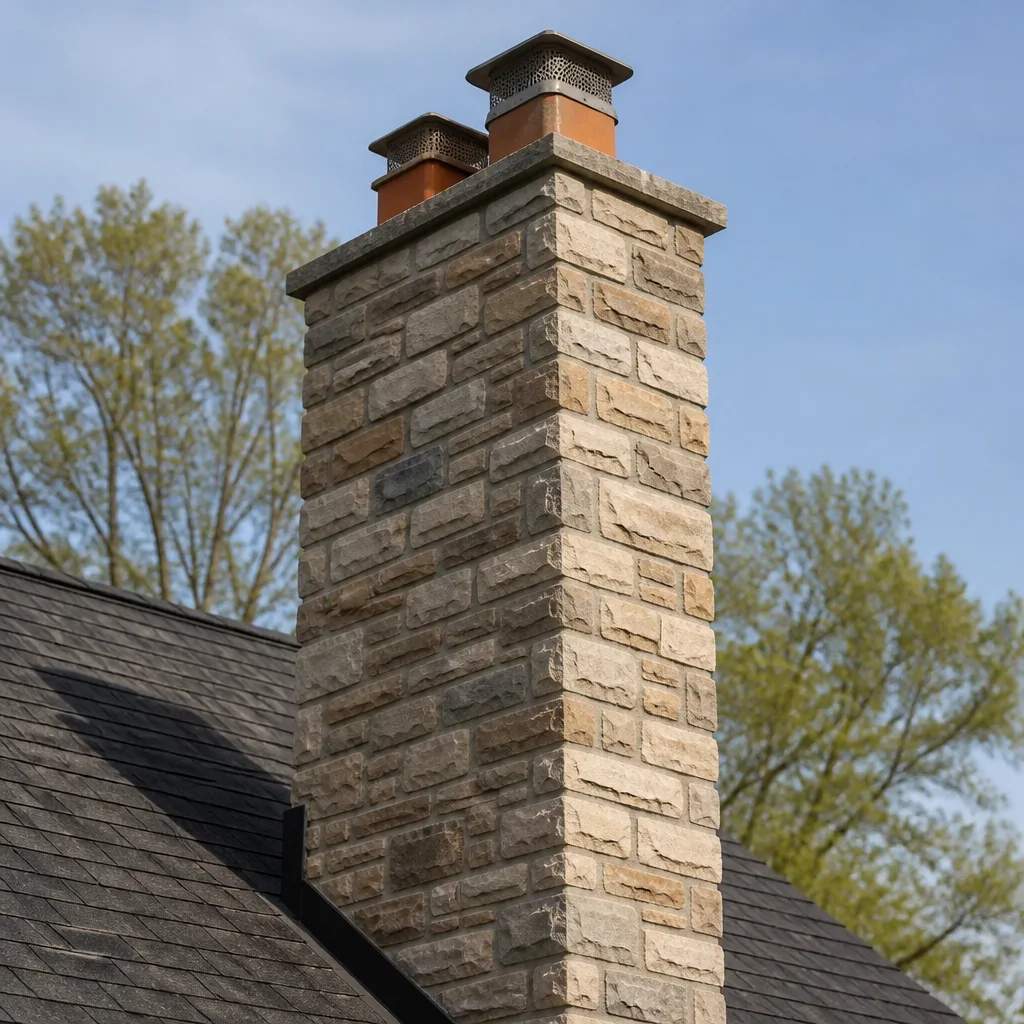 Masonry repair
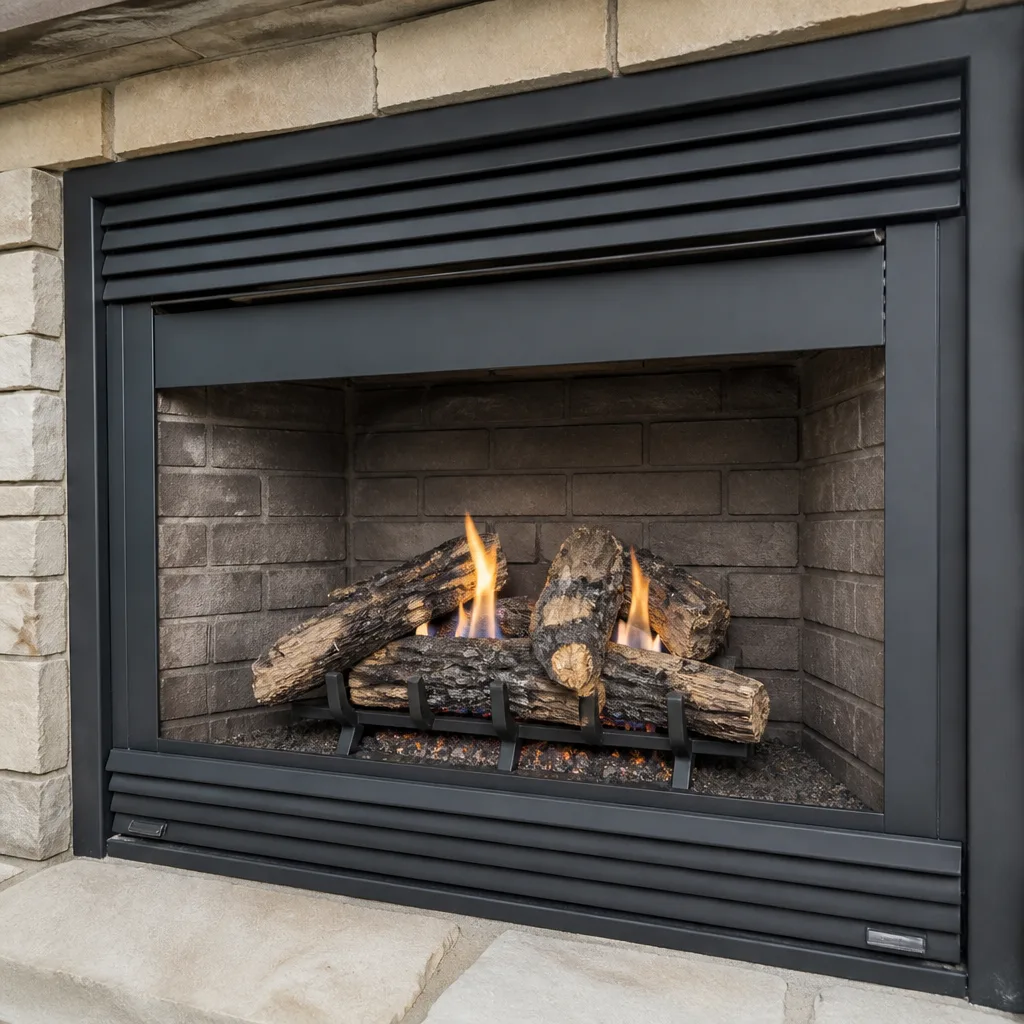 Gas fireplace service
Level 1 sweep and inspection to the NFPA 211 annual standard - flue, crown, cap, and flashing checked and photographed
Chimney sweep logs do not sweep chimneys. They loosen some creosote - which then falls where a brush and vacuum still have to collect it.
The Complete Guide to Chimney Cleaning in Woodland Hills
Most chimney guides are written for Vermont. They assume a fireplace that burns every night from October through April, builds thick creosote layers, and faces freezing rain cycles. Woodland Hills sits in a High Fire Hazard Severity Zone, which means your chimney isn’t just a smoke path – it’s a potential ember entry point during Santa Ana wind events. This guide maps the full cleaning process to the actual conditions you’re dealing with in Woodland Hills: mild winters, 10 to 20 fires per season, wildfire ash, and a housing stock largely built between 1965 and 1985. By the end, you’ll know exactly what a complete chimney cleaning should include here, what it should cost, what the photos should show, and when you can safely wait another season. You can also explore our more guides & resources for ongoing chimney care.
Quick Answer
A complete chimney cleaning in Woodland Hills typically costs $189 to $340 and includes a full flue sweep, firebox cleanup, smoke chamber brushing, and a Level 1 inspection of the cap, crown, flashing, and spark arrestor. In a High Fire Hazard Severity Zone like Woodland Hills, the spark arrestor and cap screening matter as much as the creosote removal itself. Most Woodland Hills chimneys used 10 to 20 times per year can go 2 to 3 years between cleanings, but only if an inspection confirms creosote buildup stays under 1/8 inch.
Styles & brands we work with
Table of Contents
- What a Complete Chimney Cleaning in Woodland Hills Actually Includes
- Why Woodland Hills Is Different: Fire Zones, Ash, and Santa Anas
- The 10-to-20-Fire Creosote Pattern Most Guides Ignore
- How Much Does Chimney Cleaning Cost in Woodland Hills?
- How to Read a Level 1 Inspection Report
- What Before-and-After Photos Should Actually Show
- Stucco and Wood-Frame Tract Homes: Flashing and Crown Vulnerabilities
- Common Mistakes to Avoid
- When to Call a Professional
- Frequently Asked Questions
What a Complete Chimney Cleaning in Woodland Hills Actually Includes
A complete chimney cleaning is not just running a brush up the flue. Here’s what should happen on every visit in Woodland Hills, step by step.
- Flue sweep with properly sized brushes. The technician uses wire or poly brushes matched to your flue liner dimensions. The sweep dislodges creosote (the flammable tar buildup that makes chimneys a fire risk) and soot from the liner walls.
- Smoke chamber brushing. The area above the firebox where smoke funnels into the flue. Builders in the 1970s often left corbeled brick ledges here that collect creosote and debris. A flat brush won’t reach these ledges; a proper cleaning uses angled brushes or a rotary whip system.
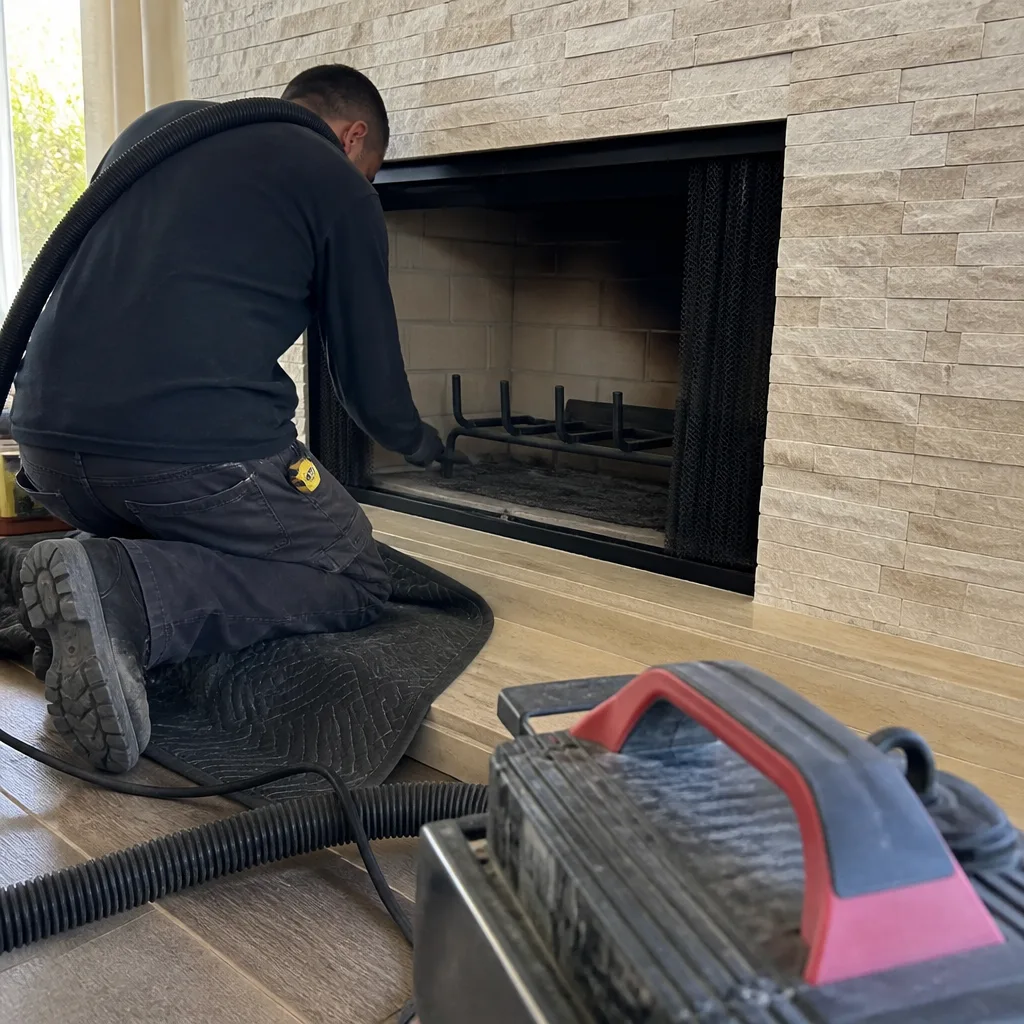
- Firebox cleanup. Full ash and debris removal from the floor of the fireplace, plus a visual check of the refractory panels (the heat-resistant panels lining the firebox walls). Cracked panels are common in 1970s-era Woodland Hills tract homes and should be flagged, not ignored.
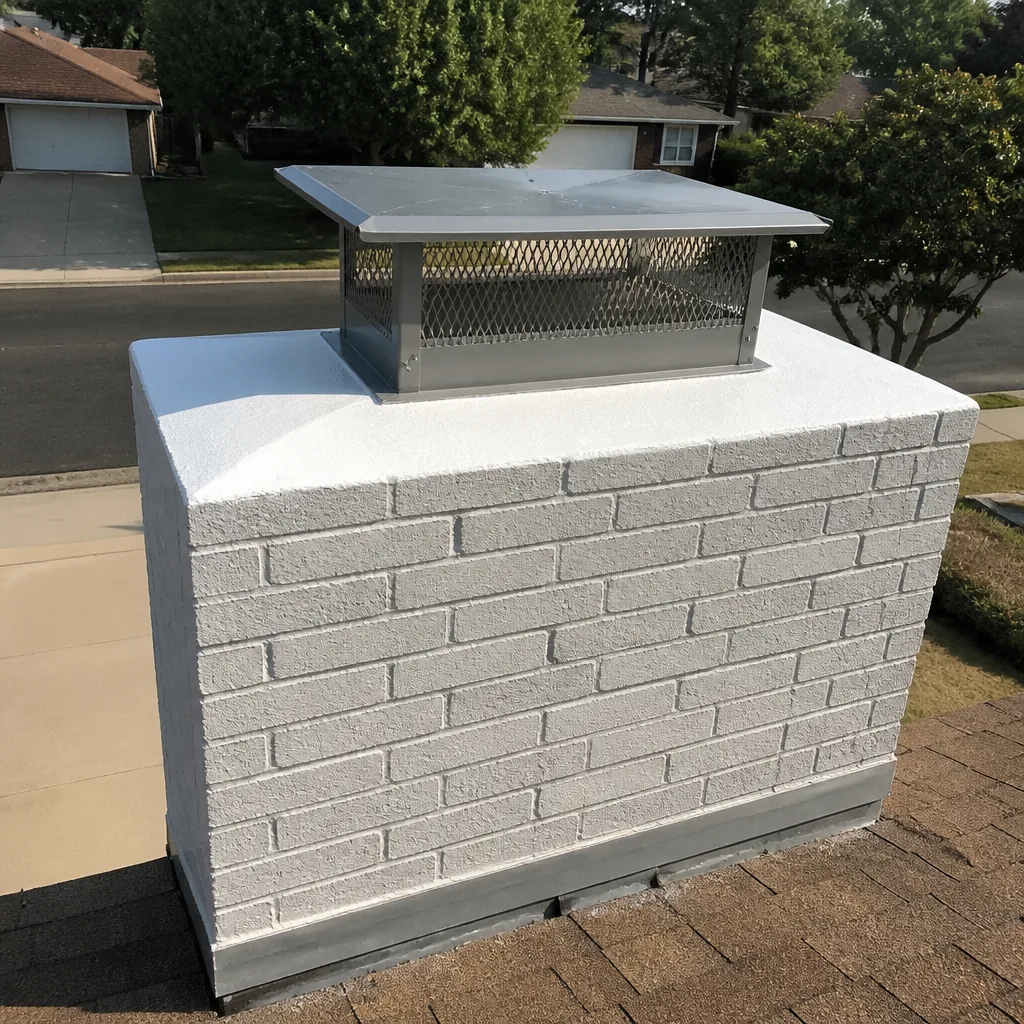
- Cap, spark arrestor, and crown inspection. In a High Fire Hazard Severity Zone, this step is non-negotiable. The spark arrestor (the metal mesh screen around the cap) must be intact with openings small enough to block embers, typically 1/2 inch to 3/4 inch mesh. The crown (the concrete slab on top of the chimney) needs to be crack-free and properly sloped so water drains away from the flue.
- Flashing check and visual waterproofing assessment. Flashing is the metal seal where the chimney meets the roofline. We check for gaps, rust, or lifted sections during every cleaning because Woodland Hills stucco homes settle over time, and even a small flashing gap lets water into the chase.
- Level 1 inspection documentation. Photos of the flue interior, cap, crown, firebox, and flashing before and after the clean. A written report noting creosote thickness, any cracks, any water intrusion signs, and a recommendation on when the next cleaning should happen.
At Hadley Chimney Woodland Hills, every cleaning includes before-and-after photo documentation under The Relay Visibility Guarantee. You see the flue interior before the brush touches it, and you see it after. No technician should ask you to trust a verbal “all clear” when a camera costs a few hundred dollars and the photos take two minutes to capture.
Why Woodland Hills Is Different: Fire Zones, Ash, and Santa Anas
Woodland Hills sits within the Los Angeles County Fire Department’s High Fire Hazard Severity Zone classification. This changes what a chimney cleaning must include, and it’s the single biggest reason generic chimney advice falls short here.
During Santa Ana wind events, wind speeds in Woodland Hills regularly hit 30 to 50 mph, with gusts over 70 mph in the canyons near Topanga and Tarzana. Those winds drive embers horizontally into vents, roof gaps, and chimney openings. A spark arrestor with torn mesh or a missing cap is an open invitation for an ember to enter the flue, contact built-up creosote, and ignite a chimney fire that spreads to the roof or attic in minutes.
Wildfire ash also settles into chimneys across the western San Fernando Valley. Even if you rarely burn, ash from the Woolsey Fire and subsequent regional fires drifts down through an uncapped or poorly screened chimney and mixes with creosote residue. The result is a gritty, more alkaline buildup that can accelerate liner corrosion. We see this in homes from Walnut Acres to the neighborhoods west of Topanga Canyon Boulevard.
So what does a fire-zone-aware cleaning include that a standard cleaning might skip?
- A bench-mounted spark arrestor inspection. Not a glance from the roof. The arrestor screen must be checked for gaps, rust-through, and correct mesh sizing. LACFD fire codes require spark arrestors on solid-fuel chimneys in high hazard zones; a cleaning is when we verify yours still meets the standard.
- Cap screening verification. The cap must be seated securely and its screen intact. A loose cap can dislodge in high wind and expose the flue.
- Debris check in the smoke shelf. Wind-driven debris builds up here faster in Woodland Hills than in most climates. Leaves, ash sediment, and light construction material from the surrounding hills all collect.
- A note on burn day restrictions. The South Coast Air Quality Management District issues no-burn alerts during winter inversions. If you’re in Woodland Hills, checking the SCAQMD map before lighting up is part of responsible chimney ownership, and a good tech will mention it rather than ignore it.
The 10-to-20-Fire Creosote Pattern Most Guides Ignore
Most chimney guides assume heavy use: a full cord or more per winter, with fires burning most evenings. That’s the East Coast and Midwest pattern. Woodland Hills homeowners burn 10 to 20 fires per season, mostly between Thanksgiving and late February, with a few cool evenings on either side.
This light-burn pattern produces a specific creosote profile: thin, flaky, first-stage creosote that brushes off easily, rather than the thick, tarry, glazed third-stage creosote of daily burning. That’s good news for maintenance, but it creates a trap. Because the visible creosote is light, homeowners and even some technicians assume the chimney needs little attention. Meanwhile, other conditions worsen quietly:
- Moisture intrusion does more damage than creosote in Woodland Hills. Mild winters mean more rain-adjacent days and dew cycles. Moisture interacts with light creosote to form mildly acidic residue that etches terra cotta flue liners over time.
- Nesting activity goes unaddressed. A chimney used only 10 times a year is a chimney that sits quiet for 10 months. Birds, squirrels, and wasps take advantage. We remove nests from Woodland Hills chimneys far more often than we remove heavy creosote.
- Ash coals remain combustible. Even a thin creosote layer over old ash and partially burned coals can support a chimney fire under the right conditions. A Santa Ana event providing oxygen-rich wind into a chimney with an open damper is an ignition sequence.
The practical takeaway: if you burn 10 to 20 fires per season in Woodland Hills, you don’t need annual sweeping in most cases. But you do need an annual cap, crown, and arrestor check, plus a creosote measurement. The flue sweep can safely happen every 2 to 3 years if creosote stays below 1/8 inch. We tell customers this directly, even though it means fewer sweep appointments. Our job is to tell you what your chimney actually needs, not to manufacture urgency. For a deeper look at our service approach, see Chimney Sweep in Woodland Hills.
How Much Does Chimney Cleaning Cost in Woodland Hills?
Chimney cleaning pricing in Woodland Hills runs slightly above the national average, driven by Los Angeles labor costs, the prevalence of two-story tract homes that require roof ladder access, and the extra fire-zone inspection steps. Here’s what to expect.
| Service | Typical Woodland Hills Price Range | What It Includes |
|---|---|---|
| Standard chimney sweep (Level 1) | $189 – $289 | Flue brush sweep, smoke chamber brush, firebox cleanout, cap and crown visual check |
| Sweep with camera inspection add-on | $60 – $120 additional | Flue video inspection with photos you receive |
| Spark arrestor replacement | $95 – $220 | New arrestor screen, installation on existing cap |
| Chimney cap replacement | $180 – $420 | New cap, including models sized to your flue and installed with proper fasteners |
| Crown repair (minor, caulk and seal) | $150 – $400 | Sealing hairline cracks and re-sloping minor low spots |
| Crown rebuild (major) | $800 – $1,800 | Full replacement when the crown is cracked through or missing |
| Flashing repair or replacement | $350 – $900 | Depending on the extent of metal replacement and roofline access |
These are honest ranges, not teaser prices. A two-story chimney with steep roof access in the hills south of Ventura Boulevard will land at the higher end of these ranges. A single-story, easy-access home in the flatlands near Canoga Park will land at the lower end. Any company quoting $79 for a full sweep is either doing a partial job, planning to upsell at the door, or losing money to get inside your home and find reasons to charge more. We don’t do any of those.
At Hadley, the price you’re quoted on the phone is the price on your invoice. We provide a written price before any work starts, every single time. If the technician finds something that needs attention, you get photos and a separate, itemized quote for that work. You approve it or you don’t. There’s no pressure, and there’s no hidden line item. That’s our No-Hassle Upfront Pricing, and it’s a permanent policy, not a promotion. Call us at (559) 249-1347 for a free estimate on chimney cleaning in Woodland Hills.
How to Read a Level 1 Inspection Report
A Level 1 inspection is the standard assessment performed during a routine chimney sweep. It covers the readily accessible areas of the chimney: the flue interior, firebox, smoke chamber, cap, crown, flashing, and the visible exterior. It does not include hidden areas inside walls or requiring demolition access. That would be a Level 2 or Level 3 inspection, used after earthquakes, fires, or major changes.
When you receive a Level 1 report, here’s what to look for, in plain terms:
- Creosote thickness measurement. A good report states it in fractions of an inch: “1/16 inch,” “1/8 inch,” “1/4 inch.” If the report says “light,” “moderate,” or “heavy” with no measurement, ask for the actual number. Below 1/8 inch means you’re fine until next season. At 1/4 inch or above, schedule a sweep.
- Flue liner condition notes. Look for words like “intact,” “minor spalling” (flaking of terra cotta surface), “cracked,” or “gaps at mortar joints.” Spalling and cracks are early-stage concerns. A “compromised liner” note means repair or replacement should be discussed soon.
- Smoke chamber remarks. Notes on creosote accumulation, debris, or the corbeling (the stepped brick ledges that builders used before smooth chamber walls became standard). 1970s Woodland Hills homes often have corbeled chambers that collect more debris than smooth prefab chambers.
- Cap, crown, and arrestor status. The report should explicitly state whether the spark arrestor mesh is intact and the crown is crack-free. In a High Fire Hazard Severity Zone, a report that skips these is incomplete.
- Flashing note. Look for “sealed,” “minor gaps,” “rust,” or “lifting.” A photo of roofline flashing with a red circle around the problem area is a sign the technician actually looked.
- Photo references. A proper Level 1 report includes at least 4 to 6 photos: flue interior before, flue interior after, cap and arrestor from the roof, crown closeup, firebox, and flashing. If your report has no photos, you’ve received a verbal opinion, not a documentable inspection.
- Flue interior, before the sweep. You should see the creosote or soot coating the liner walls. It should be lit well enough that you can distinguish buildup from clean liner surface.
- Flue interior, after the sweep. The same angle, same lighting area. The liner surface should be visibly cleaner. If it’s not, the sweep wasn’t thorough.
- Smoke chamber before and after. Especially important on 1970s tract homes where corbeled ledges trap creosote.
- Spark arrestor and cap close-up. Ground-level telephoto shots are not enough. The photo should be taken from the roof, close enough to show mesh condition. A torn screen is a fire-zone liability in Woodland Hills.
- Crown photo. Close enough to see hairline cracks. Crown damage is the leading cause of liner water damage in Woodland Hills chimneys.
- Flashing photo. The roofline seal, photographed close enough to show gaps or rust.
- Firebox after cleanup. Ash and debris removed, refractory panels visible and assessed.
- Burn only seasoned hardwoods. Unseasoned wood creates more creosote per fire. In Woodland Hills, oak and almond firewood are widely available and burn more efficiently than soft woods. Avoid burning construction scraps, plywood, or treated lumber – these release compounds that accelerate creosote formation.
- Keep the damper closed when the fireplace is not in use. An open damper is a 24/7 air leak in winter and a path for ember entry during Santa Ana events. Open it with kindling ready, close it once the fire is fully out and the embers are cold.
- Watch for wasp and bird activity in spring. The chimney sits quiet for months in Woodland Hills. Check for wasps building near the cap and bird debris accumulating below. A screen with small mesh openings (3/4 inch or less) blocks most nesting attempts.
- Check the cap from the ground after windstorms. After any Santa Ana event with gusts over 50 mph, look up. If the cap is missing or shifted, call for service. A missing cap during fire season is an open risk.
- Be aware of no-burn days. The SCAQMD publishes daily burn status for the South Coast Air Basin, which includes Woodland Hills. On a no-burn day, don’t burn. Wood smoke contributes to the same poor air quality that Santa Ana events already worsen.
- Note any water stains near the fireplace or ceiling around the chimney. In a stucco home, interior water marks near the fireplace often trace back to crown or flashing failure. Catching it early means a cheaper repair and less water damage.
- Skipping the spark arrestor inspection because “we never burn.” In a High Fire Hazard Severity Zone, the arrestor is as important as the sweep itself. Even a fireplace used zero times per year is an ember entry risk during Santa Ana winds if the screen is torn or the cap is loose.
- Hiring a $79 sweep and expecting completeness. A price that low in Los Angeles cannot cover labor, insurance, and proper inspection time. What you get is a fast brush pass and a verbal “all good” – the exact situation that misses the problems that actually matter in Woodland Hills.
- Treating annual cleaning as mandatory when it isn’t. If you burn 10 to 20 fires per year and your creosote measurement stays under 1/8 inch, you may not need a sweep every year. But you do need the cap, crown, and arrestor check. We tell our customers this directly, and so should any honest chimney company.
- Ignoring stucco cracks near the chimney chase. A small crack in stucco is a water path that widens every year. By the time you see interior staining, the damage is already in the framing. Patch small cracks early and have them assessed during a cleaning.
- Burning on no-burn days. The South Coast Air Quality Management District fines for violations, and wood smoke on those days actively worsens air quality for the whole western valley. A quick check of the daily burn status is part of responsible chimney use.
- Accepting a cleaning without photos. The flue interior is the one area of your home you literally cannot see from the ground. If a technician can’t or won’t show you the before-and-after images, you have no way to verify the work was done or assess the condition they’re reporting.
At Hadley Chimney Woodland Hills, every cleaning includes a written inspection summary with photos you can open on your phone before the technician has left the driveway. That’s the difference between a chimney company that shows you the work and one that asks you to take their word for it.
What Before-and-After Photos Should Actually Show
The chimney industry has historically run on verbal reassurance. “Everything looks good up there” is a common phrase, and it’s not good enough. Before-and-after photo documentation does three things: it proves the work was done, it shows exactly what condition your chimney is in, and it creates a record you can compare against next season.
Here’s what a proper photo set from a Woodland Hills chimney cleaning should include:
If your chimney company says they took photos but won’t send them, or they show you a phone screen from across the room, ask for the files. The Relay Visibility Guarantee at Hadley means live arrival tracking, before-and-after photo documentation, and a written price before work begins are standard on every job. You shouldn’t have to negotiate for proof.
Stucco and Wood-Frame Tract Homes: Flashing and Crown Vulnerabilities
Woodland Hills grew fast in the 1960s and 1970s, and the dominant construction style was stucco over wood frame. These homes are now 50 to 60 years old, and their chimneys are showing predictable age patterns that a cleaning should address.
Stucco is not waterproof. It’s a porous cement layer that sheds water until it cracks, and it cracks in response to settlement, temperature swings, and seismic activity. Even a hairline stucco crack near the chimney chase lets moisture wick into the framing. The two most vulnerable chimney components on these homes are:
The crown. The concrete slab at the very top of the chimney. On many 1970s Woodland Hills homes, crowns were poured thin and sometimes without proper slope away from the flue. Decades of sun and rain create hairline cracks, then full cracks, then sections that spall off entirely. A cracked crown lets water run down the inside of the chimney structure, where it damages the flue liner, the surrounding masonry, and eventually the framing. Crown checks must be part of every cleaning, not an upsell only offered on request.
The flashing. Where the chimney meets the roof. On stucco and wood-frame homes, flashing is typically metal – aluminum, galvanized steel, or copper. The issue in Woodland Hills is twofold: age-related rust and the settlement movement common in the valley floor. When flashing lifts or develops gaps, water follows the chimney down into the attic and walls. We find flashing issues on nearly a third of the 1970s-era homes we inspect in Woodland Hills. The fix is almost always less expensive than the water damage that follows if it’s ignored.
During a cleaning, the technician should specifically check for: stucco cracking around the chimney chase, gaps between stucco and flashing, rust-through on flashing metal, and crown slope. If your cleaning doesn’t include these checks, it’s not complete. For homeowners dealing specifically with chimney structural concerns, Chimney Repair in Woodland Hills goes deeper into the repair process.
Can You DIY a Chimney Cleaning in Woodland Hills Safely?
The honest answer: basic chimney cleaning is physically possible as a DIY project, but it’s rarely wise in Woodland Hills. Before deciding, read our DIY vs Professional Chimney Cleaning: The Woodland Hills Homeowner’s Decision Guide. Here’s why we tell homeowners to call someone.
Roof access on most Woodland Hills homes means a two-story climb, often with a slope significant enough to require fall protection gear. The flatlands around Ventura Boulevard are easier; the hills south of Mulholland and west of Topanga Canyon Boulevard are another matter entirely. Falls from roof level are the leading cause of chimney-related injuries among homeowners who attempt DIY work. That’s not a scare tactic; it’s the injury data.
Beyond access, there’s the issue of what you can’t see. A homeowner with a brush kit can remove loose creosote from the flue. A homeowner cannot properly inspect the smoke chamber ledges, the cap screen integrity at close range, the crown’s hairline cracking, or the flashing seals. Those are the items that actually fail over time in Woodland Hills conditions. You can sweep the visible soot and leave the real problems untouched because you never knew they were there.
If you do attempt a basic firebox cleanup between professional visits, here’s what’s safe: remove ash with a metal shovel and metal bucket, wear an N95 mask, and keep the damper closed while you work. Do not climb onto the roof without proper safety gear and a spotter. Do not reach into the flue to scrape creosote from below. Do not attempt any cap, crown, or arrestor work from a ladder. Those jobs require proper equipment and training.
Our recommendation: let a professional handle it annually or every other year, depending on your burn frequency, and invest the money you’d spend on tools into a proper inspection instead. The peace of mind of knowing the fire zone issues are actually addressed is worth the cost of a professional sweep. If you’re on the fence, our Hadley Chimney Woodland Hills home page gives a bigger-picture view of how we approach the work.
Maintenance Between Cleanings: What Woodland Hills Homeowners Can Do
Between professional cleanings, there are specific things you can do to keep your chimney in better shape in this climate. Our Seasonal Chimney Cleaning Care for Woodland Hills: Year-Round Homeowner’s Guide covers the full maintenance calendar. These aren’t replacements for a sweep; they’re the habits that make each cleaning more effective and catch problems earlier.
These practices won’t replace a professional cleaning. But they do extend the life of your flue liner, reduce creosote accumulation, and help you spot problems before they turn into a four-figure repair. Combined with a professional inspection every 1 to 2 years, they’re the complete maintenance picture for a Woodland Hills chimney.
Common Mistakes to Avoid
When to Call a Professional
Call a chimney professional in Woodland Hills if you notice any of these: a smoky fireplace that doesn’t draw properly, a persistent odor even when the fireplace is cold, visible soot or staining above the fireplace opening, crumbling or cracked stucco around the chimney chase on the roof, a shift in the chimney structure after an earthquake, a spark arrestor with visible tears, or simply the realization that it’s been more than three years since anyone looked at the chimney. Water stains on the ceiling near the fireplace are an urgent call – they mean water is already inside your structure. Hadley Chimney Woodland Hills offers free estimates in Woodland Hills – call (559) 249-1347.
Frequently Asked Questions
A standard chimney sweep in Woodland Hills runs $189 to $289, with cap, crown, and spark arrestor inspection included. Camera inspections, cap replacements, crown repairs, and flashing work are additional and run from $60 to $900 depending on the scope. At Hadley, you get a written price before any work begins, so there are no surprise charges at the end of the visit. Call (559) 249-1347 for an exact quote for your chimney.
Only if an inspection shows cracks, gaps, or spalling (flaking) in your current liner. A camera inspection during a cleaning will show the liner condition clearly. If the photos show an intact liner with light creosote, the answer is no. If the photos show cracks or gaps, the answer is maybe, and you’ll have the photos to see it for yourself before deciding. We never recommend a liner replacement without camera evidence you can review yourself.
If you burn 10 to 20 fires per season, every 2 to 3 years is usually sufficient in Woodland Hills, provided you get a cap, crown, and arrestor check annually. Burn more than that, and you need annual sweeping. The rule is simple: measure creosote each year and sweep when it approaches 1/8 inch.
Creosote accumulates and becomes a fire risk. The crown and flashing degrade and let water into the structure. The spark arrestor tears and the chimney becomes an ember entry point during Santa Ana events. The small problems compound quietly until a relatively cheap fix becomes a structural repair. In a High Fire Hazard Severity Zone like Woodland Hills, skipping inspection entirely is the one decision that can have dangerous consequences.
Yes. Gas fireplace maintenance is different from wood-burning chimney cleaning – it involves checking gas pressure, burner condition, venting, and carbon monoxide safety rather than creosote removal. For details, see Gas Fireplace Repair in Woodland Hills.
We work with industry-leading materials including HeatShield ceramic repair compound, Gelco chimney products, Olympia Chimney components, and Famco accessories. These are the brands chimney professionals actually rely on for long-lasting repairs, not whatever is cheapest on the shelf.
Because the value of a chimney cleaning is in what’s documented, not just what’s brushed. We provide before-and-after photos, a written inspection report, live arrival tracking, and a written price before work begins. Our 365-Day Done Right Promise means if a repair we perform fails, we return and fix it free. That’s the difference between a real service and a fast brush pass. See our Chimney Sweep in Woodland Hills page for the full scope of what a Hadley visit includes.
The Bottom Line
A complete chimney cleaning in Woodland Hills means more than a brush up the flue. It means a spark arrestor inspection built for a High Fire Hazard Severity Zone, a crown and flashing check built for 50-year-old stucco tract homes, and photo documentation that proves what was found and what was fixed. The burn pattern here – light but consistent winter use – means most homes don’t need annual sweeps, but they do need annual inspections. The difference between paying for documentation and paying for a verbal “all clear” is the difference between catching a cracked crown early or a water-damaged ceiling later. That’s what we’ve built the service around at Hadley, and that’s what you should expect from any chimney company in Woodland Hills.
Written by Cory Mitchell, Owner at Hadley Chimney Woodland Hills, serving Woodland Hills since 2003.
See the difference
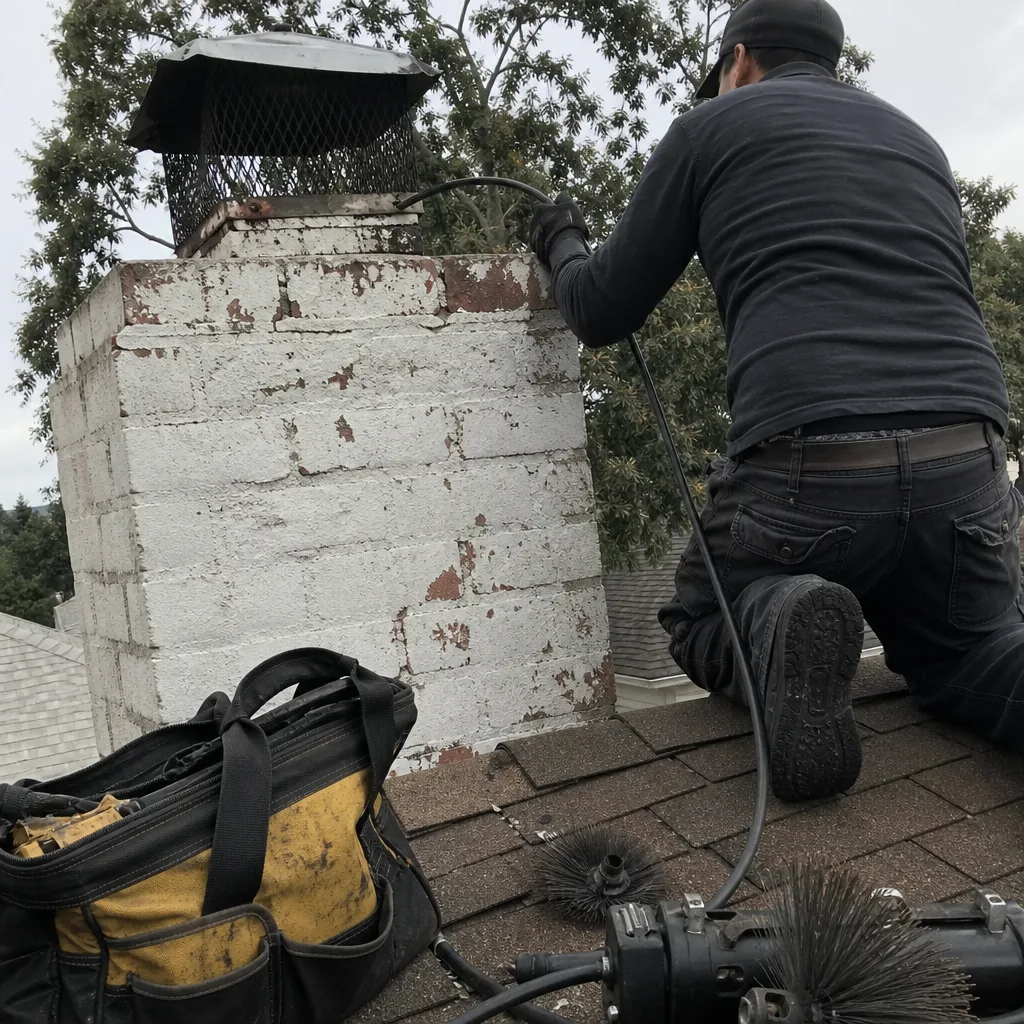 Before
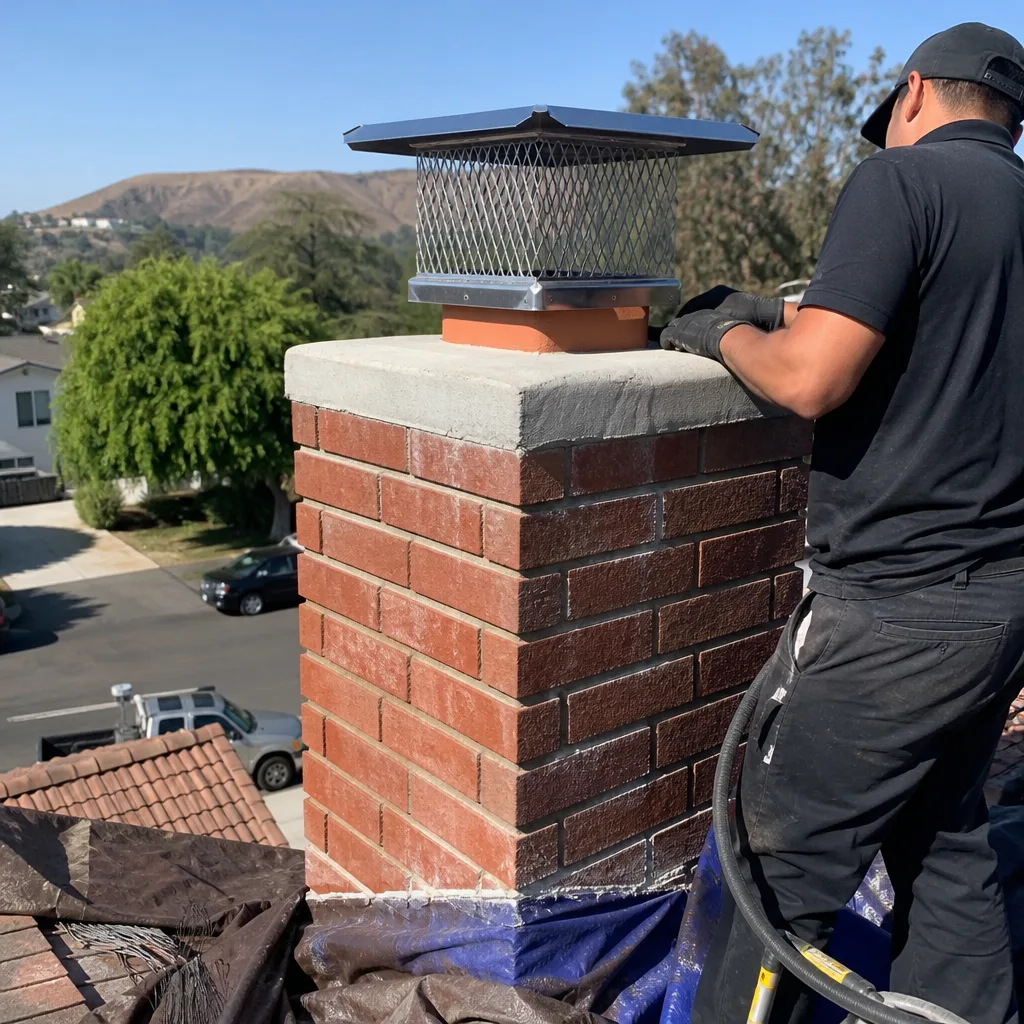 After
After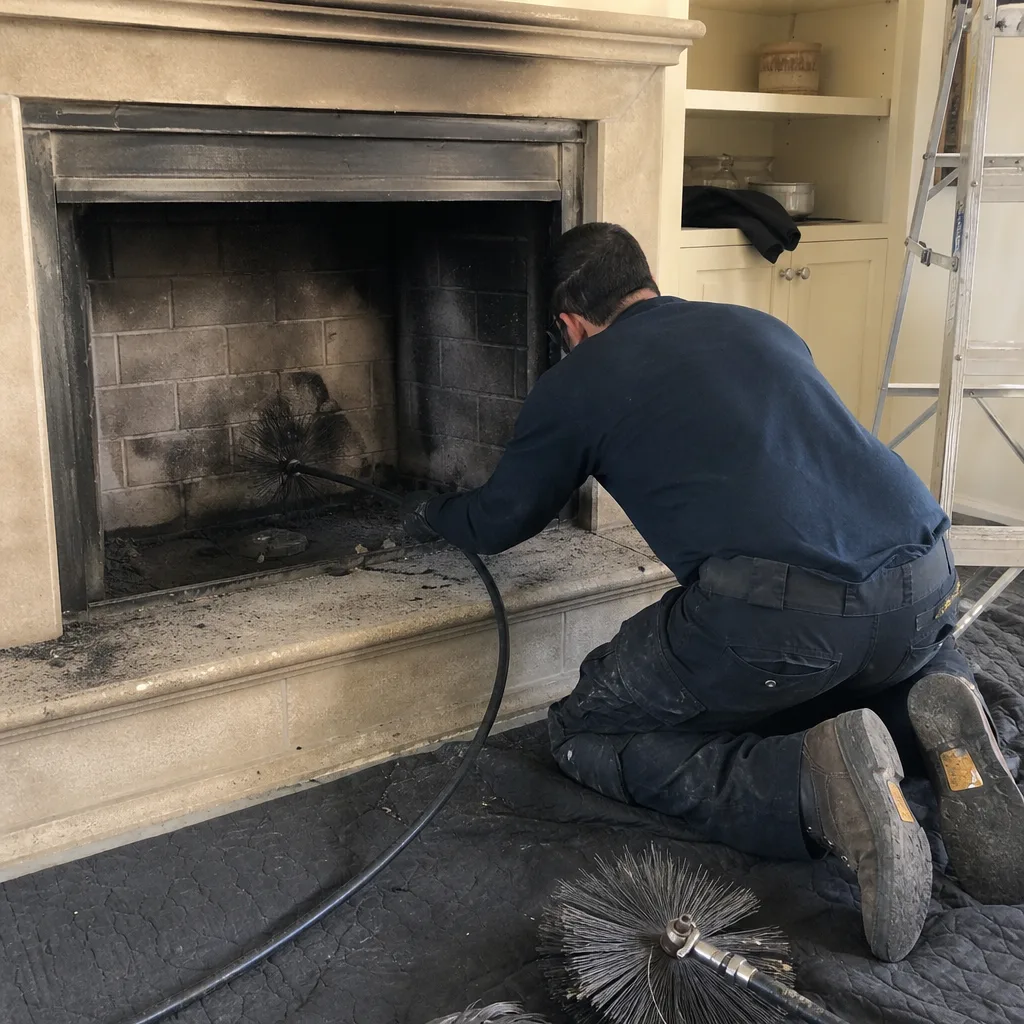 Before
 After
After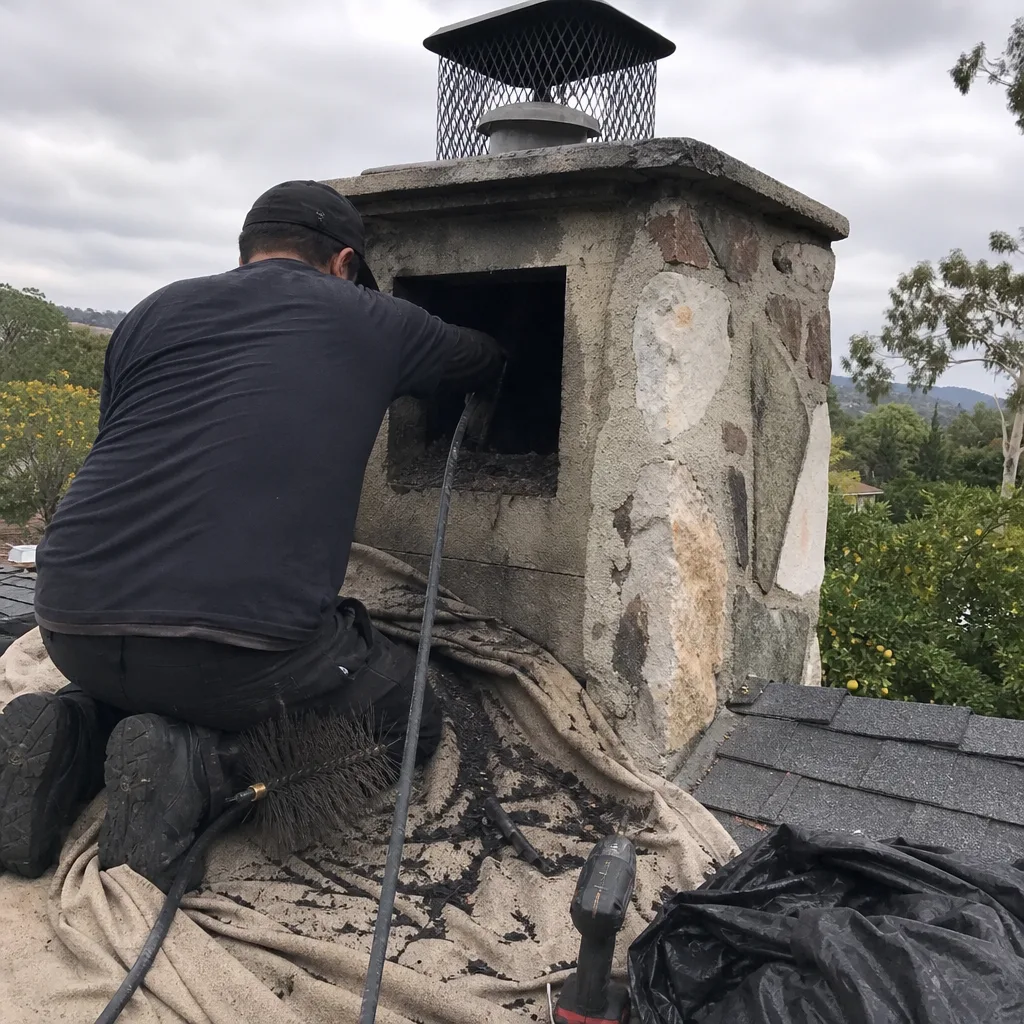 Before
 After
After