
Last updated October 15, 2026
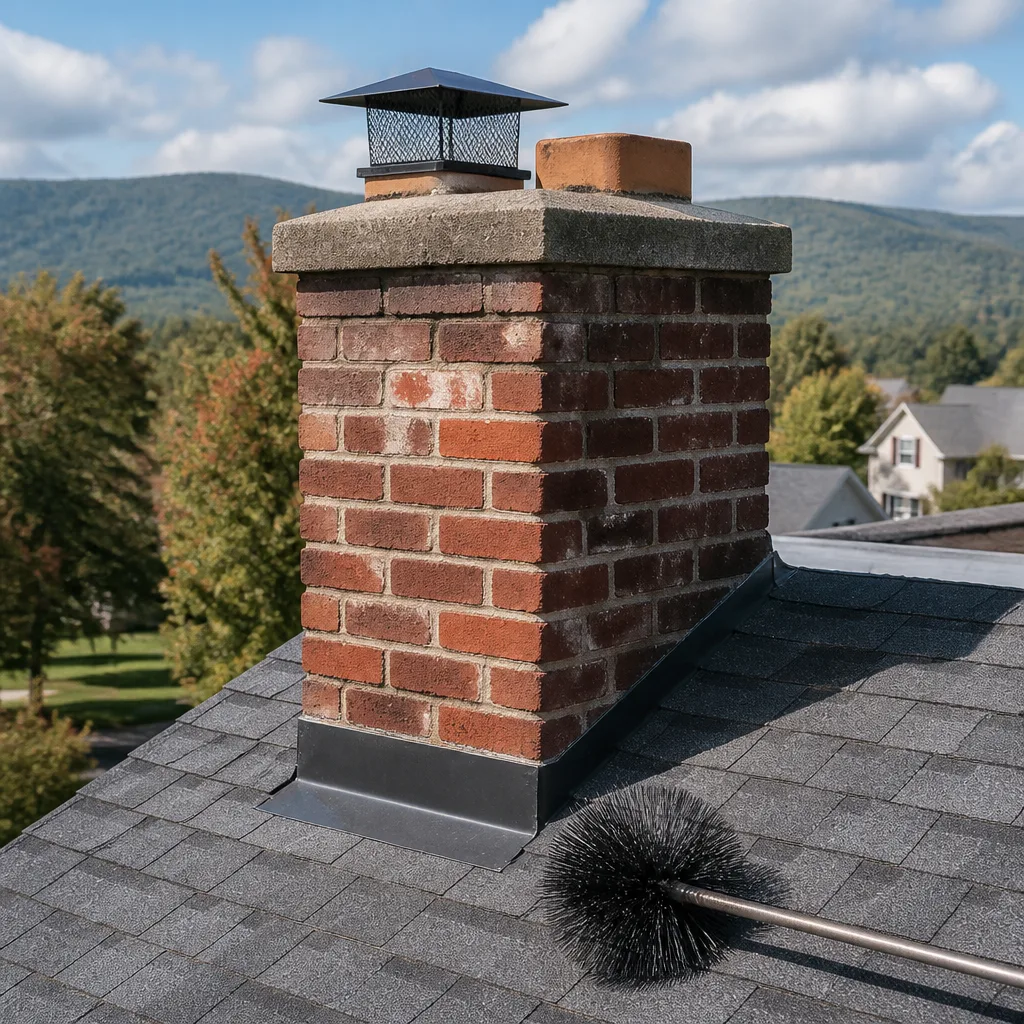 Sweep & inspection
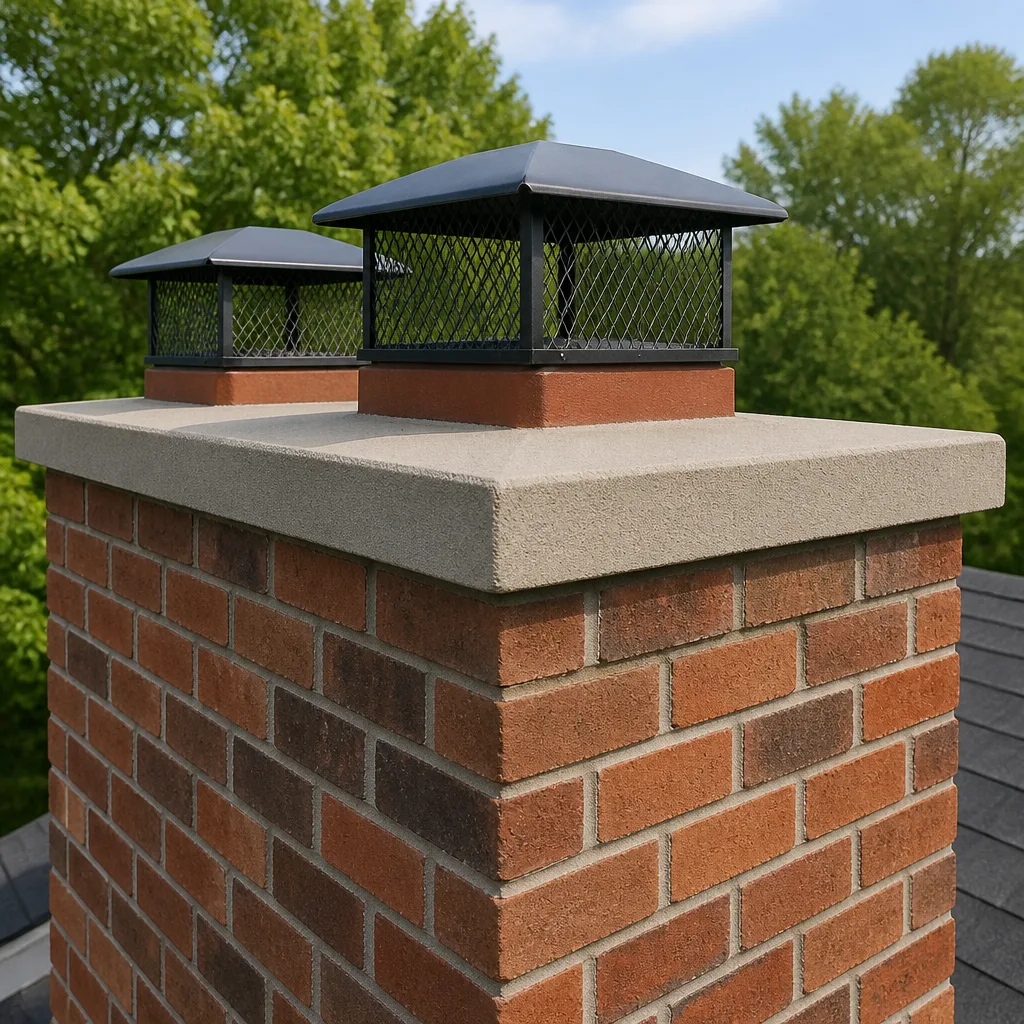 Caps & crowns
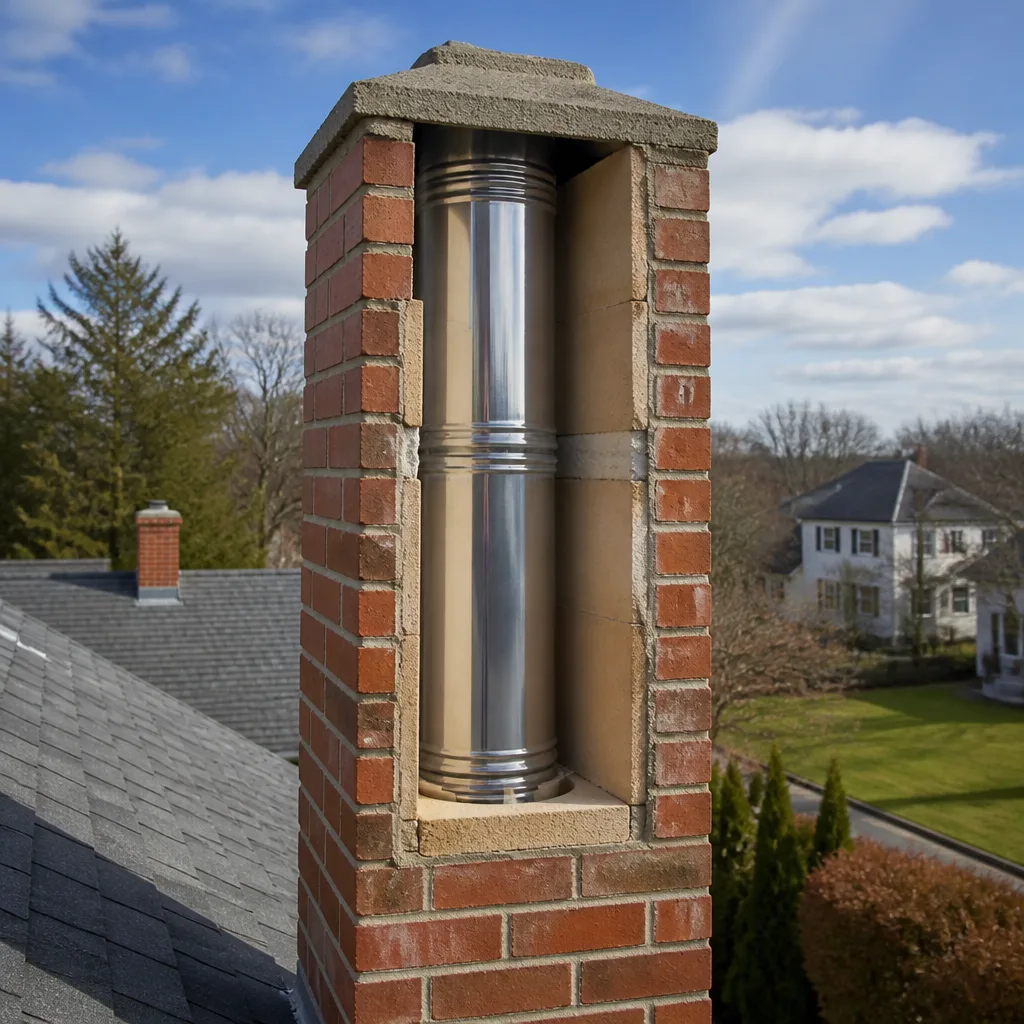 Flue relining
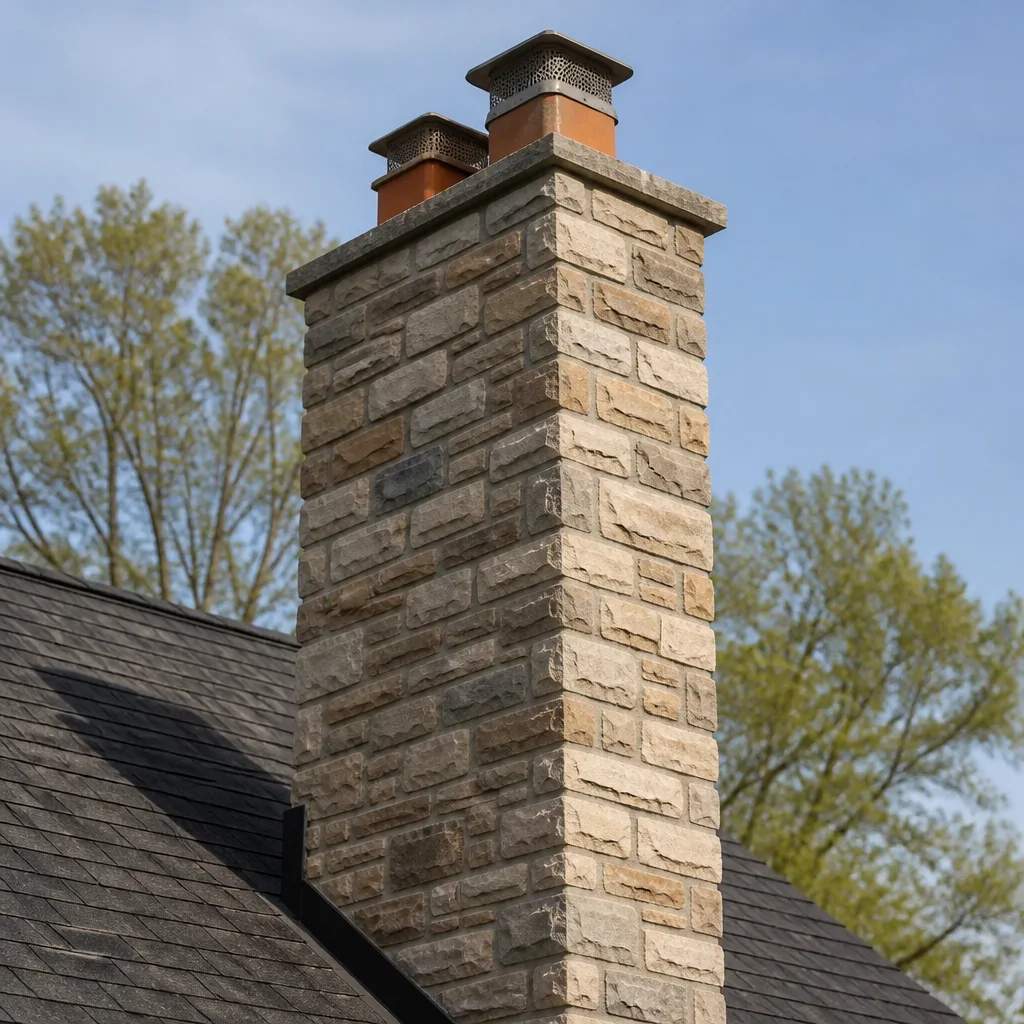 Masonry repair
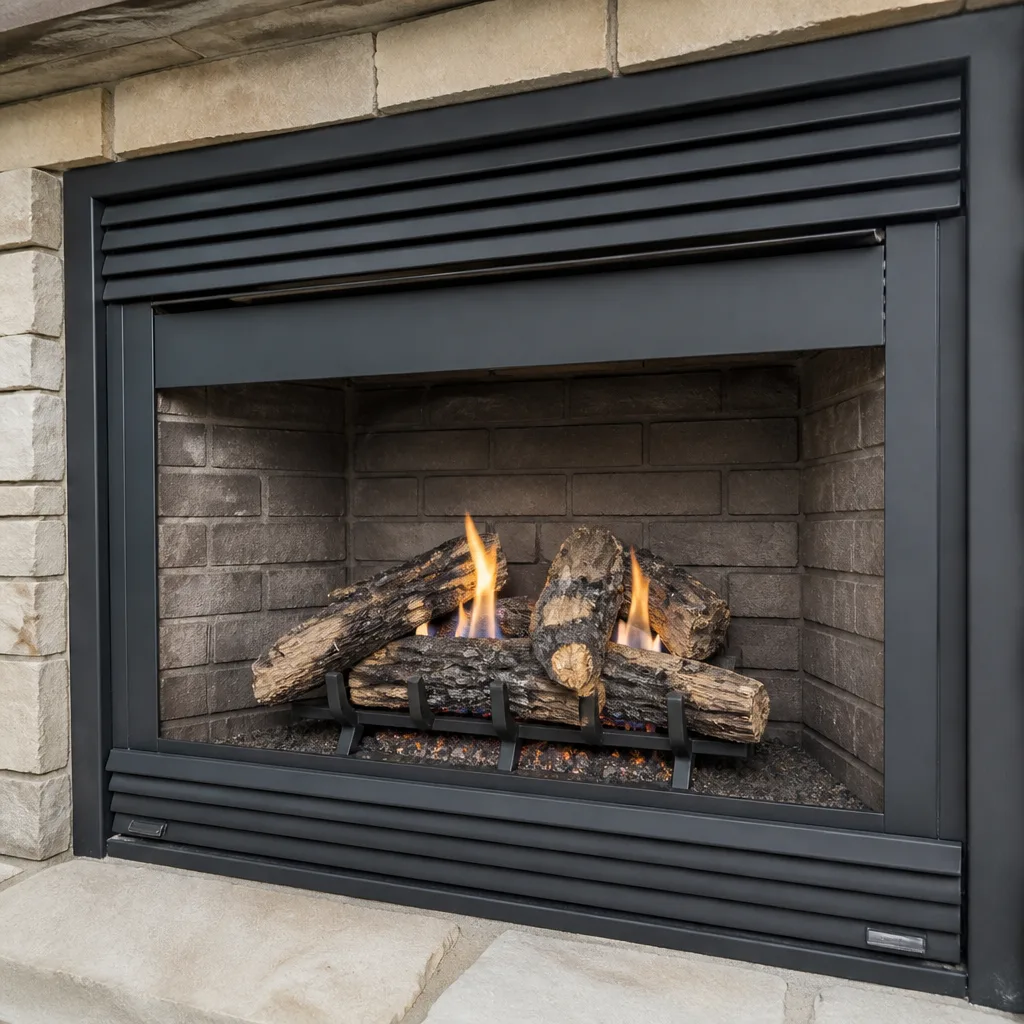 Gas fireplace service
Level 1 sweep and inspection to the NFPA 211 annual standard - flue, crown, cap, and flashing checked and photographed
Chimney sweep logs do not sweep chimneys. They loosen some creosote - which then falls where a brush and vacuum still have to collect it.
Seasonal Chimney Cleaning Care for Woodland Hills: Year-Round Homeowner’s Guide
Every chimney guide tells you to sweep before winter. In Woodland Hills, the bigger risk is what your chimney collects during the other nine months: dead palm fronds, ash from nearby brushfires, and wildlife moving in while you’re not thinking about the flue at all. Most Woodland Hills homes don’t burn enough to fill a chimney with creosote the way a Minnesota cabin does. What we actually deal with is a short burn season that leaves behind a specific kind of residue, followed by a long, dry stretch where an uncapped or unmaintained chimney becomes a fire entry point and animal housing. This guide covers how to manage your chimney across both realities, when to act, what to check, and what you can safely skip. If you’re a homeowner anywhere from Winnetka to Calabasas, this is written for how your house actually behaves.
Quick Answer
In Woodland Hills, chimney cleaning should be scheduled twice a year: once in early spring (right after your last fire of the season) to inspect and clear what the burn window left behind, and once in early October (before the first fire of the season) to clear out what the hot, dry summer deposited in the flue. A standard sweep in the Woodland Hills area typically runs $180 to $320, depending on flue condition, cap type, and access-see our Chimney Cleaning Cost Breakdown: The Woodland Hills Homeowner’s Reference for 2026 for full pricing details. The smarter schedule is March post-season and early October pre-season, which together cover both risks specific to this climate: creosote from concentrated winter burning and debris, ash, or animal access during the long fire-risk stretch.
Styles & brands we work with
Table of Contents
- The Two-Season Reality of Chimney Care in Woodland Hills
- March Post-Season Inspection: What a Short Burn Window Leaves Behind
- Summer Chimney Care in a Fire-Risk Zone: Caps, Screens, and Ember Seals
- Wildlife Entry in an Uncapped Chimney: The Cleaning Problem Beyond the Mess
- October Pre-Season Readiness Checklist for Woodland Hills Burners
- Documenting Your Chimney Year Over Year: How to Build a Baseline
- What Chimney Cleaning Costs in Woodland Hills and What Affects the Price
- Common Mistakes to Avoid
- When to Call a Professional
- Frequently Asked Questions
The Two-Season Reality of Chimney Care in Woodland Hills
Woodland Hills doesn’t have four chimney seasons, and pretending it does leads homeowners to overpay for maintenance they don’t need while ignoring risks that are actually specific to this area. What we have is a burn window and a fire-risk window. The burn window runs roughly from mid-November through late February. The fire-risk window runs year-round, but peaks from May through November when vegetation is driest and Santa Ana winds are most likely. These two windows overlap only slightly, and each one creates a different type of chimney problem.
Here’s what we see when we open up flues in different Woodland Hills neighborhoods. Homes in the flats around Topanga Canyon Boulevard and Ventura Boulevard tend to have older masonry chimneys with terra cotta tile liners. Homes up in the hills south of the 101, in neighborhoods like Walnut Acres or the ridgelines above Calabasas, are more likely to have pre-fabricated metal chimneys. The issues are different. A masonry chimney with a cracked tile liner in the flats is a slow-burning problem. A pre-fab metal chimney with a deteriorated cap in the hills during a red-flag wind event is a fast one. Both are worth addressing, but the timeline and urgency are not the same.
The practical takeaway is this: schedule around the two windows, not around the conventional “fall cleaning” advice that dominates chimney content online. If you only clean once a year, you’ll either burn the season with a chimney that’s been sitting open to summer debris, or you’ll close out the burn season and leave creosote, glazing, and minor damage in place for nine months. Twice a year is the right cadence for this climate, and we’ll walk through exactly what each visit should cover.
March Post-Season Inspection: What a Short Burn Window Leaves Behind
After a Woodland Hills winter, the inside of your flue looks nothing like the inside of a chimney in a heavy-burn climate. Homes here don’t run fires 18 hours a day for five months straight. What we find is a thinner, harder creosote layer, often in Stage 1 or early Stage 2, plus a characteristic pattern of ash compaction near the smoke shelf and damper. Here’s the nuance that matters. Because our burn sessions are short but sometimes intense: a cold night, a hot fire, a big air draw: creosote forms quickly in concentrated bursts rather than building up slowly. That means the glaze or flake pattern in March is often more brittle and less thick than what an East Coast sweep would expect, but it still needs mechanical removal. Thin creosote burns just as easily as thick creosote under the right conditions.
The March inspection should focus on five things specific to post-season Woodland Hills conditions:
- Damper and smoke shelf clearance. Ash from short, hot fires tends to pile up against the damper plate and prevent a full seal. A damper that won’t close properly in March means nine months of warm air exchange, and that’s how you get a house that never quite cools down in July.
- Creosote type, not just thickness. Dry, flaky creosote brushes off easily. Hard, shiny Stage 2 glazing needs chemical treatment or, in stubborn cases, a rotary cleaning head. The distinction matters because it changes the cost and the technique.
- Liner cracks from thermal cycling. Going from a 40-degree night to a 400-degree flue in the span of an hour creates expansion and contraction. Over a short burn season, hairline cracks in terra cotta liners can appear quickly, especially in older Woodland Hills homes built in the 1960s and 1970s.
- Cap and spark arrestor damage from winter wind. Our winter storms, while brief, kick up debris and occasionally drop branches. The mesh screen on a cap is the first thing to check.
- Firebox wall condition. If you burned wood with high moisture content, you may see spalling or surface breakdown on the firebrick. Catching this in March gives you nine months to address it before you need the fireplace again.
We treat the March visit as the most important chimney service of the year for Woodland Hills homeowners, because it locks in the condition of the flue before the long idle period. Any damage you find in March can be repaired on a relaxed schedule, often at a better price, rather than discovered on a cold night in December when you want a fire and don’t have one.
Summer Chimney Care in a Fire-Risk Zone: Caps, Screens, and Ember Seals
The highest-risk period for a Woodland Hills chimney isn’t when it’s in use. It’s when it’s idle. From May through late October, the area sits under elevated fire risk, driven by low humidity, high temperatures, and the seasonal Santa Ana winds that push embers for miles. An ember doesn’t care whether your fire is lit. It cares whether your chimney has an opening it can enter.
Here’s the specific scenario we work to prevent. A wind-driven ember, sometimes no bigger than a coin, lands on a roof or is carried aloft during a brushfire. If it enters an uncapped or improperly screened flue and lands in dry creosote, even a thin layer from the previous winter, it can smolder. If the flue is clean but the chimney is uncapped, embers can still reach the smoke shelf, where leaf litter and bird nesting material have accumulated since spring. This is a fire-start sequence that has nothing to do with how often you use your fireplace. That’s why summer chimney care in Woodland Hills is fundamentally about sealing the system, not cleaning it.
What to check or have checked during the summer months:
- Cap mesh integrity. The standard spark arrestor mesh is 3/4-inch openings, which stops most embers but not all. For red-flag zones, a finer 5/8-inch mesh is available and worth considering, especially for homes within a few blocks of open hillside. Torn or rusted mesh defeats the purpose.
- Cap seating. Wind and thermal expansion can loosen the fasteners that hold a cap to the crown. A tilted cap is an ember-accessible cap.
- Flue-to-cap seal. The connection between the cap and the clay tile or metal flue should be snug. Gaps allow both embers and animals in.
- Top damper function. Many Woodland Hills homes have a top-sealing damper mounted at the flue opening. This is your best defense against both ember intrusion and conditioned air loss during a long hot summer. If the cable or spring mechanism is stiff, get it serviced in July, not October.
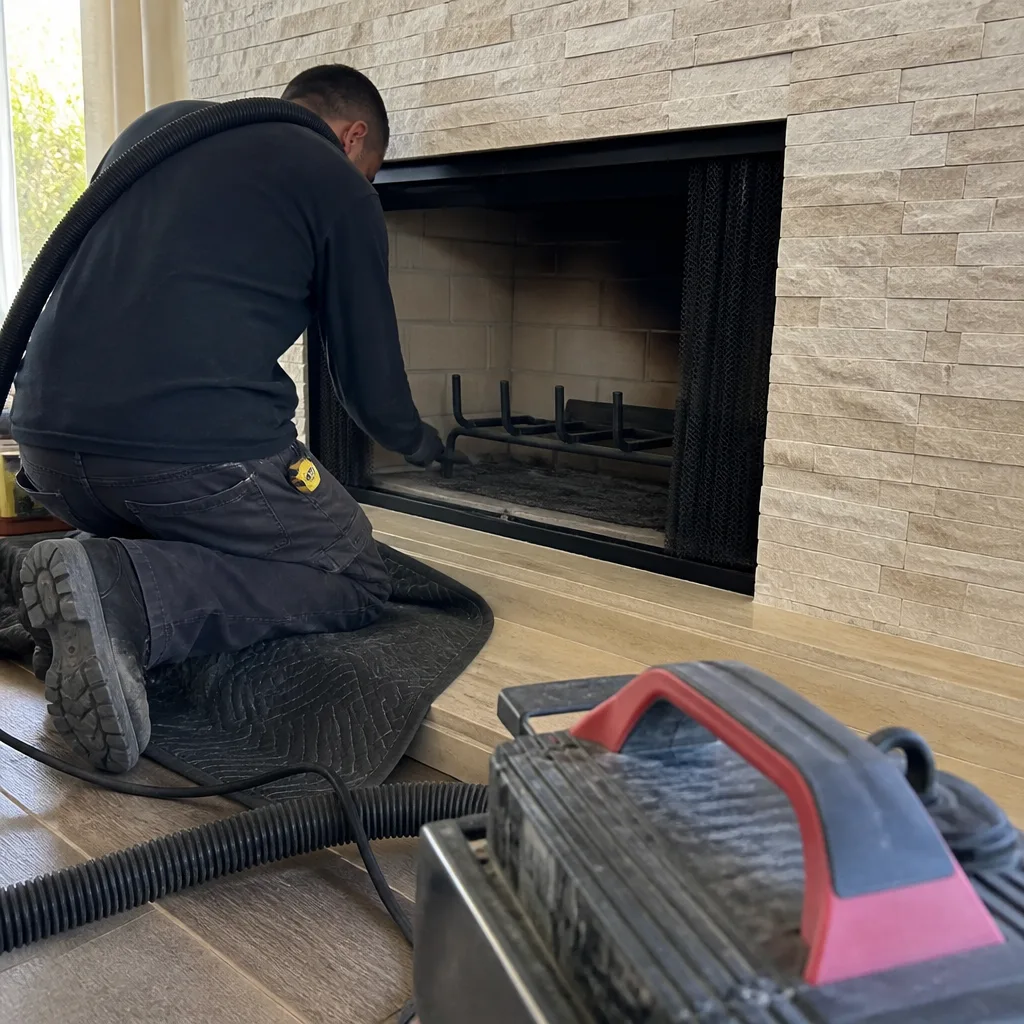
- Ash accumulation at the firebox floor. Even a thin layer of ash combined with a strong downdraft can lift embers out of the firebox and into the living space. A quick summer vacuum of the firebox floor is simple preventative work.
The key realization here is that a chimney in fire-risk country is a liability when it’s being ignored, not when it’s being used. We see this pattern often enough that it shapes how we advise our customers in Woodland Hills. The summer visit is cheaper than a chimney fire, and it’s a lot cheaper than trying to explain to an adjuster why an uncapped flue was left open through red-flag season.
Wildlife Entry in an Uncapped Chimney: The Cleaning Problem Beyond the Mess
A chimney without a proper cap in Woodland Hills is an open doorway. Raccoons, squirrels, chimney swifts, and in this part of the Valley, a surprising number of owls, all find their way into open flues. The obvious problem is the mess: nesting material, droppings, feathers, and in the case of squirrels, chewed damper components and electrical wiring. The less obvious problem is what happens to your chimney as a chimney after an animal has lived in it.
Nesting material is highly flammable, more so than creosote. A bird’s nest built from dry grass, twigs, and palm fiber can ignite at a much lower temperature than glazed creosote. When it’s packed against the flue wall or sitting on the smoke shelf, it’s effectively kindling waiting for a spark. The droppings are a separate issue. Bat and bird guano can host fungal spores that are unsafe to breathe during cleaning without proper protection. And the acidic nature of the droppings accelerates corrosion on metal dampers and pre-fab chimney components.
What we typically find when we open an uncapped chimney in Woodland Hills during the warm months:
- House sparrows and finches building small, shallow nests on the smoke shelf. These are easy to remove but leave behind droppings that harden onto the tile and require scraping.
- Chimney swifts, which are protected under federal law. If you have swifts, the nest must be left alone until the birds depart, which can delay your cleaning window by several weeks. This is a real scheduling consideration in spring.
- Squirrels entering through uncapped flues and setting up in the firebox or even the interior wall cavities. Squirrels will chew through damper cables, insulation, and sometimes the refractory panels in a gas fireplace.
- Raccoons, which we see less frequently in Woodland Hills than in areas with more mature tree canopy, but they do appear, particularly in the oak-shaded lots off Valley Circle Boulevard.
Prevention is straightforward. A correctly sized cap with intact mesh solves most wildlife entry. The cap should be sized to the flue, not clamped on loosely, and the mesh should be checked each spring for tears. We recommend treating cap installation as a one-time fix that pays for itself the first time you don’t have to deal with a dead bird in the damper housing. If you already have an animal in the chimney, don’t try to smoke it out. Wait, confirm it’s gone, and then have the flue cleaned and the cap installed.
October Pre-Season Readiness Checklist for Woodland Hills Burners
Woodland Hills residents start burning when the first cold night hits, not when the calendar says it’s winter. That first fire usually happens in late October or early November, often with minimal warning: a sudden temperature drop, a rainy front, a family gathering that calls for a fire. If your chimney hasn’t been touched since March, that first fire is the one where an undetected problem shows itself, and it’s also the hardest time to get a chimney tech out because everyone else in the neighborhood is calling at the same time.
October is the month to prepare. Here’s the pre-season checklist we recommend:
- Verify cap and mesh condition. Check from the ground with binoculars. Look for tilt, rust, or visible tears. If you can’t see the cap clearly, have it inspected.
- Verify damper operation. Open and close it fully. A damper that’s stiff, stuck, or makes a grinding noise typically has rust or debris buildup at the pivot points. This is common after a long idle summer.
- Check for signs of animal activity. Listen for scratching, look for droppings at the firebox base, and check for nesting material visible at the flue opening. If anything suggests a visitor, have the flue cleaned before burning.
- Confirm firebox and hearth condition. Look for cracked firebrick, missing mortar, or a hearth that’s pulling away from the wall. These are often visible from inside the house.
- Test smoke draw. Light a small piece of newspaper in the firebox with the damper fully open. Smoke should pull cleanly up the flue. If it rolls back into the room, you have a drafting problem: possibly a blocked flue, a damper that’s not fully open, or a topographical downdraft issue that’s common in the hillside neighborhoods.
- Review last season’s service report. If a sweep in March flagged any concerns, now is the time to address them, not after the first burning weekend.
- Schedule your pre-season sweep. A standard chimney sweep in Woodland Hills takes 45 to 90 minutes. Booking in early-to-mid October means getting a slot before the late-October rush.
This checklist takes about 20 minutes and covers the highest-probability failure points. Ideally, steps 1 through 5 are things a homeowner can do from the ground or from inside the house, with no roof access needed. If anything on the list raises a question, that’s what a scheduled inspection is for. We’d rather spend 10 minutes on the phone clarifying a concern in October than have you skip a fire on Thanksgiving because the flue is blocked.
Documenting Your Chimney Year Over Year: How to Build a Baseline
One of the most useful habits a Woodland Hills homeowner can develop is photographing the same chimney points at the same time every year. Most people don’t think about their chimney’s condition until something fails. That means every inspection starts from zero, with no baseline for what “normal” looked like last year, no way to tell if a crack is new or has been there for five years, and no record of what was cleaned, repaired, or flagged in previous seasons.
Here’s the documentation routine we recommend. It takes about 15 minutes per year and gives you a real record:
- Take five photos at the start of each burn season (October). One of the firebox interior from the front, one of the damper from below, one of the chimney exterior from the ground facing each side, and one close-up of the cap if you can get it with a phone zoom.
- Take the same five photos at the end of the burn season (March). Same angles, same lighting if possible. Side-by-side comparison of October and March photos reveals exactly what a burning season did to your chimney.
- Store the photos with a note. Filename format like “Chimney-October-2026-Firebox” is enough. Add a text note: “Swept October 14, $260, no issues” or “Technician flagged hairline crack in back left firebrick, monitor.”
- Keep service reports from any sweep or repair. A professional chimney sweep should be providing a written report anyway. File it with the photos.
- Compare this year’s October photos to last year’s March photos. The March-to-October gap is the idle period. If a crack widened over the summer with no burning, that’s a surface heating issue, and it’s worth knowing about.
This matters more in Woodland Hills than it does in, say, the Midwest, because our chimneys spend the majority of each year idle. Idle damage is slower and subtler. A hairline crack in a tile liner that widens by a millimeter over 18 months is easy to miss if you’re looking at it fresh every March. If you have last year’s photo to compare against, you see it immediately. The baseline is the difference between catching a problem when it’s a $400 repair and catching it when it’s a $4,000 rebuild.
If you’re working with a chimney company that provides photo documentation, you already have half of this habit built. Hadley Chimney Woodland Hills sends before-and-after photos with every service under The Relay Visibility Guarantee, which means your March and October sweeps come back with visual evidence of condition, not just a verbal summary. That photo record is worth saving.
What Chimney Cleaning Costs in Woodland Hills and What Affects the Price
A standard chimney sweep in Woodland Hills runs between $180 and $320 for a single flue. The range exists because several factors move the price up or down, and understanding them helps you get an accurate quote over the phone instead of a surprise after the technician is already on the roof.
Here’s a breakdown of what typically drives the cost:
- Level of inspection. A Level 1 inspection, the visual check that accompanies most routine sweeps, is straightforward. A Level 2 inspection, which adds camera scanning of the flue interior, is more involved and adds $100 to $150 in most cases. We recommend Level 2 if the home has changed hands recently, if there’s been a chimney fire, or if the flue hasn’t been inspected in several years.
- Creosote severity and type. Flaky Stage 1 creosote brushes off fast. Hard, glazed Stage 2 or Stage 3 creosote requires rotary cleaning tools or chemical treatments, which takes longer and increases the cost. Short, hot burn cycles like we see in Woodland Hills can produce glazing surprisingly fast.
- Presence of animals or nests. Bird or squirrel nest removal is a separate labor item. It’s not unusual, and it’s not complicated, but it adds time and requires disposal.
- Roof access difficulty. Steep pitches, tall chimneys, or a roof that requires special ladder setup on a hillside lot in Woodland Hills can add an access fee. Flat or low-slope roofs are the easiest and cheapest to service.
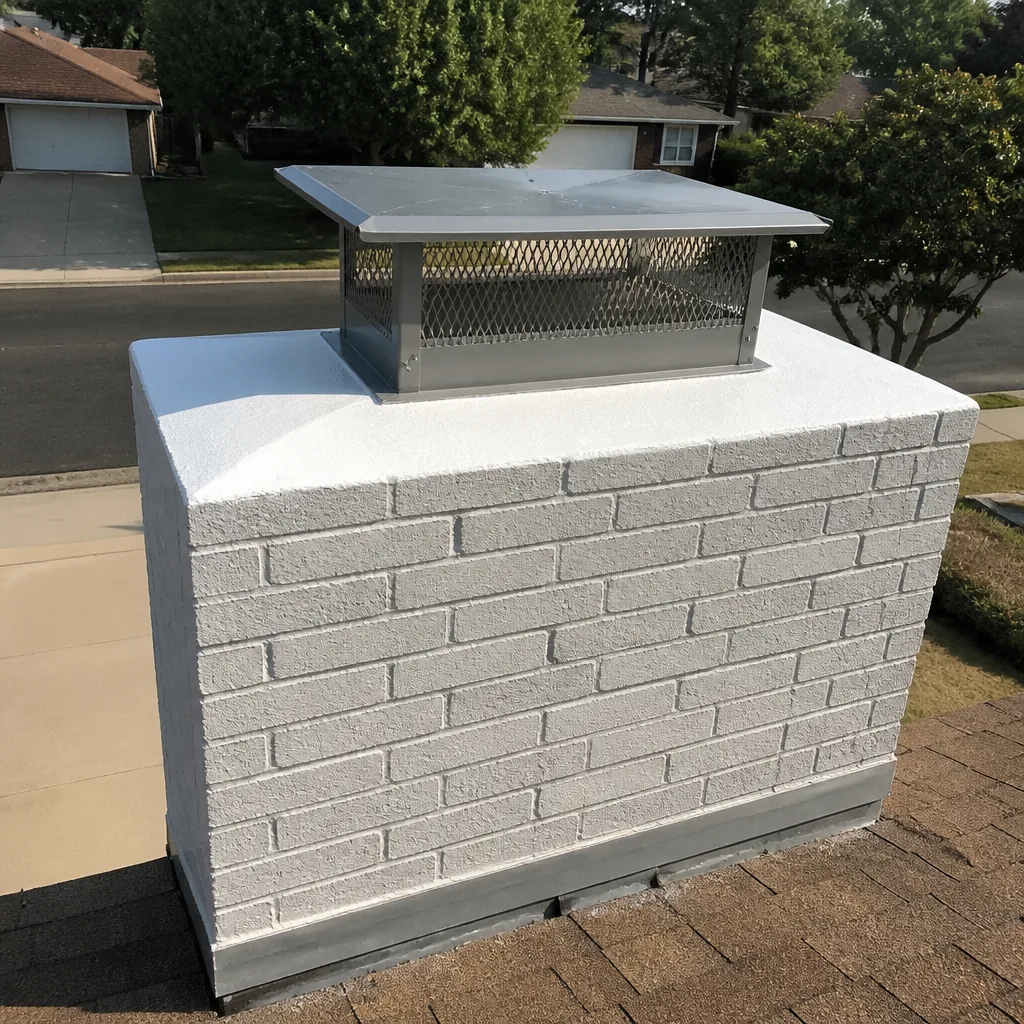
- Cap replacement or repair. If the cap is missing, rusted, or undersized, we’ll quote a replacement before starting work. A standard stainless cap with mesh typically runs $80 to $200 installed, depending on flue size and configuration.
- Pre-fab vs. masonry chimney. Pre-fabricated metal chimneys require different tools and techniques. Some are quick to sweep. Others, particularly older air-cooled systems, have tighter clearances and take longer.
Where this process differs with Hadley is that the price is written before work begins, every single time. You’ll know the cost before anyone picks up a brush. That’s not common in this trade, where verbal quotes and adjust-on-arrival pricing have been the norm for decades. The Hadley Chimney Woodland Hills home team operates under a flat-price model, and if you call, the person who answers the phone is a live human who can walk through the cost factors above and give you a realistic range. No four-hour windows, no “it depends on what we find” without specifics.
Common Mistakes to Avoid
- Treating chimney cleaning as a once-a-year fall event. In Woodland Hills, the post-season March visit matters as much as the October one. Skipping it means creosote and debris sit in a hot, dry chimney for nine months, which is exactly the combination that amplifies fire risk.
- Leaving a chimney uncapped through the summer. An uncapped flue in fire-risk country is an open airway for embers and wildlife, two problems that create drastically more expensive issues than the $80 to $200 a cap costs.
- Burning wet or unseasoned wood. High moisture content creates more creosote per fire, and it does so faster. In a climate where burn sessions are already short and intense, wet wood accelerates glazing. Use wood that’s been split and stacked dry for at least six months, ideally a full year.
- Ignoring a damper that won’t fully close. A damper that’s stuck open means your air conditioning is escaping up the chimney all summer. This is a quiet utility-bill tax that Woodland Hills homeowners pay every year without realizing it.
- Trying to save money by skipping the chimney inspection when buying a home. A Woodland Hills home with an older masonry chimney deserves a Level 2 camera inspection before purchase. We’ve seen cracked liners, unlined flues, and abandoned animal nests in houses that were otherwise in excellent condition.
- Assuming a gas fireplace doesn’t need chimney care. Gas logs still produce combustion byproducts and still need the flue inspected and cleaned periodically. A gas fireplace repair in Woodland Hills call often starts with a chimney inspection, because the chimney is frequently the source of the problem, not the gas valve or the burner.
- Waiting until the first cold snap to schedule service. October is the sweet spot. By the third week of October, every chimney company in the 818 is booked solid. If you’re calling in late November with a blocked flue, you may be waiting a week or more for an available slot, and that’s a week without a fire when you wanted one.
When to Call a Professional
Some chimney issues are safe to monitor. Others need a trained eye and a set of professional tools, and delaying makes the problem worse. Call a professional if you notice any of these in your Woodland Hills home: smoke rolling back into the room during a fire, a strong campfire smell inside the house even when the fireplace isn’t in use, visible cracks in the firebox or chimney exterior, water staining on the ceiling near the chimney chase, or sounds of animals inside the flue. Also call if your last cleaning was more than a year ago and you plan to burn this season. None of these are wait-and-see situations. A chimney repair in Woodland Hills is always cheaper when caught early, and a blocked or damaged flue is a fire and carbon monoxide risk that doesn’t give you a warning sign before it becomes dangerous.
Hadley Chimney Woodland Hills offers free estimates in Woodland Hills and throughout the surrounding area. Call (559) 249-1347, and a live person will answer, day or night, to talk through what you’re seeing and get you scheduled.
Frequently Asked Questions
Twice a year is the right cadence for most Woodland Hills homes: once in March after the burn season ends, and once in October before it starts again. The March visit clears out creosote and checks for post-season damage. The October visit clears the debris, ash, and wildlife access that accumulated during the long, dry summer. Burning frequency changes the schedule: if you only light a fire five or six times a year, an annual sweep with a shoulder-season check may be enough. If you burn three or more nights a week from November through February, stick with the twice-yearly schedule. Call (559) 249-1347 for an honest recommendation based on how you actually burn.
A standard chimney sweep in Woodland Hills typically costs between $180 and $320 for a single flue. The price varies based on creosote severity, cap condition, roof access difficulty, and whether you need a basic Level 1 inspection or a Level 2 camera scan. Hadley Chimney Woodland Hills provides a written price before any work begins, so you’ll know the exact number before the technician arrives.
Yes, and in this area the cap serves two critical functions beyond keeping rain out. During fire-risk season, a cap with an intact spark arrestor mesh prevents wind-driven embers from entering your flue and finding dry creosote or nesting material. During the long idle season, a cap prevents birds, squirrels, and other animals from building nests in your chimney. Most cap replacements cost between $80 and $200 installed, which is far less than the cost of ember damage or wildlife removal.
You’re playing a probability game, and the odds aren’t in your favor. Creosote, even in a light-use Woodland Hills chimney, accumulates over multiple short burn seasons. Once it reaches Stage 2 glazing, it’s hard enough to require rotary cleaning or chemical treatment, and it’s flammable enough to ignite under the right conditions. Meanwhile, an uncapped or unmaintained chimney in this climate is collecting dry debris, animal material, and potentially embers during the long idle period. The risk isn’t hypothetical. We’ve opened flues in Woodland Hills that hadn’t been cleaned in a decade and found all of the above in one chimney.
You can attempt a basic firebox cleanout and a visual check from inside the house, but actual flue cleaning requires roof access, specialized brushes, and the experience to know whether what you’re seeing is normal or a sign of a deeper problem. A chimney sweep also involves working at height, which carries its own risk factor you shouldn’t take on casually. The professional service includes something you can’t DIY: a written condition report and photo documentation, which is how you build the year-over-year baseline that catches small problems before they become structural ones.
Yes, though less often than wood-burning ones. Gas fireplaces produce less creosote, but they still produce combustion byproducts, and the flue still needs to be clear and intact to vent those byproducts outside your home. If you have a gas log set in a wood-burning fireplace, the flue is also still subject to wildlife entry, debris accumulation, and cap damage. A gas fireplace inspection typically costs the same as a standard sweep and should be done annually if you use the fireplace regularly. Call (559) 249-1347 and we’ll talk you through what your specific setup needs.
The Bottom Line
Woodland Hills chimney care is a two-season discipline, not a four-season ritual. The burn window from November through February creates creosote and thermal cycling damage. The idle window from March through October creates ember exposure, wildlife entry, and debris accumulation. A March post-season inspection and an October pre-season sweep cover both, and the annual cost of that schedule, roughly $360 to $640, is modest compared to the cost of a chimney fire, a wildlife removal, or a liner repair. Document your chimney with photos at the same time every year, keep the cap intact and the mesh whole, and work with a company that shows you what they found rather than telling you. For additional help, browse our more guides & resources. If you’re in Woodland Hills and want a free estimate, call (559) 249-1347. A real person answers, and you’ll know the price before anyone picks up a brush.
Written by Cory Mitchell, Owner at Hadley Chimney Woodland Hills, serving Woodland Hills since 2003.
See the difference
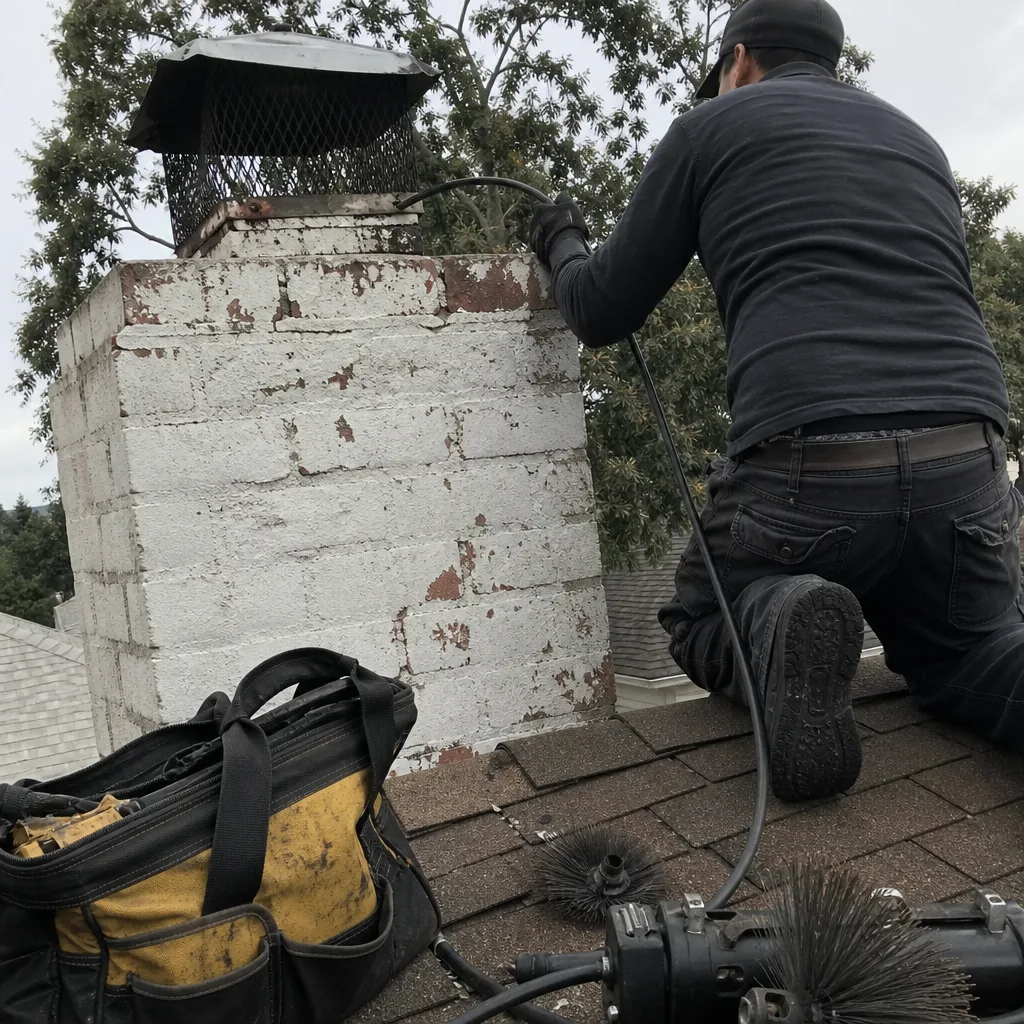 Before
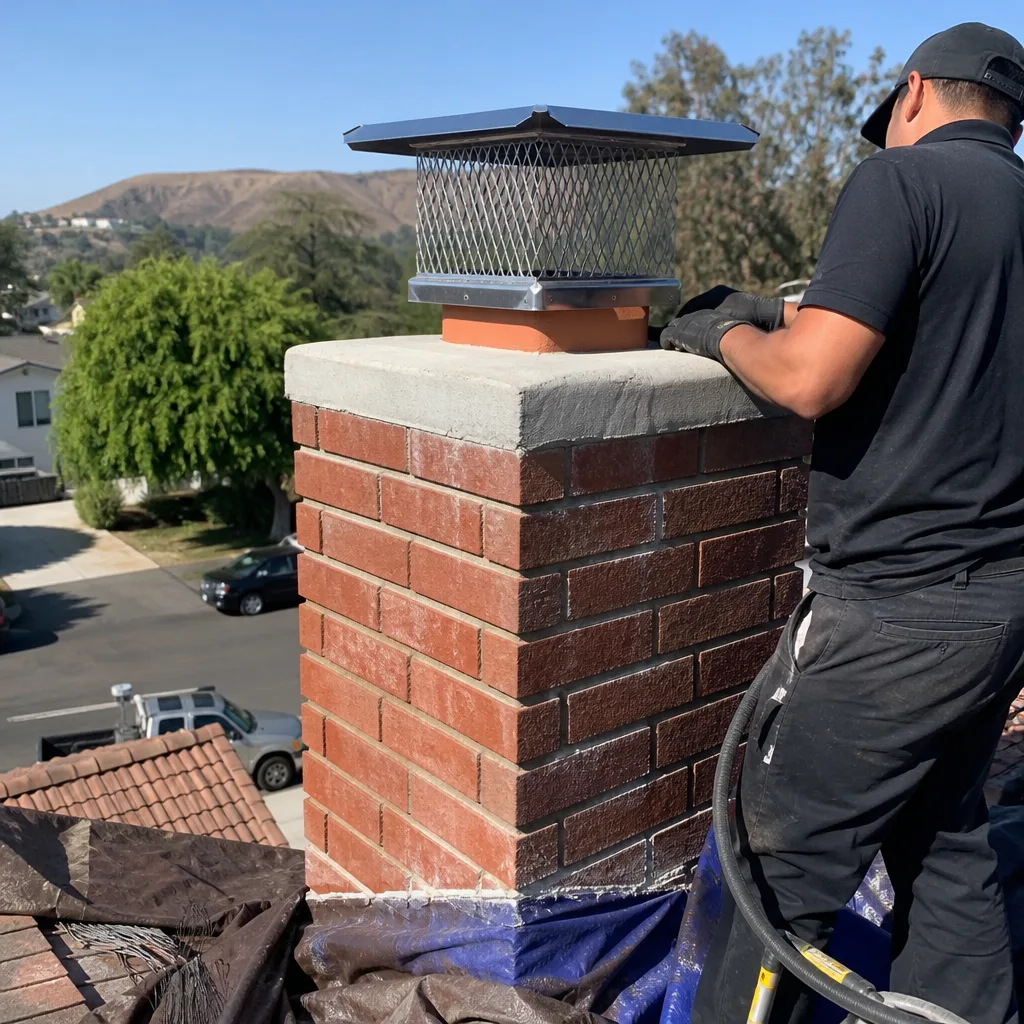 After
After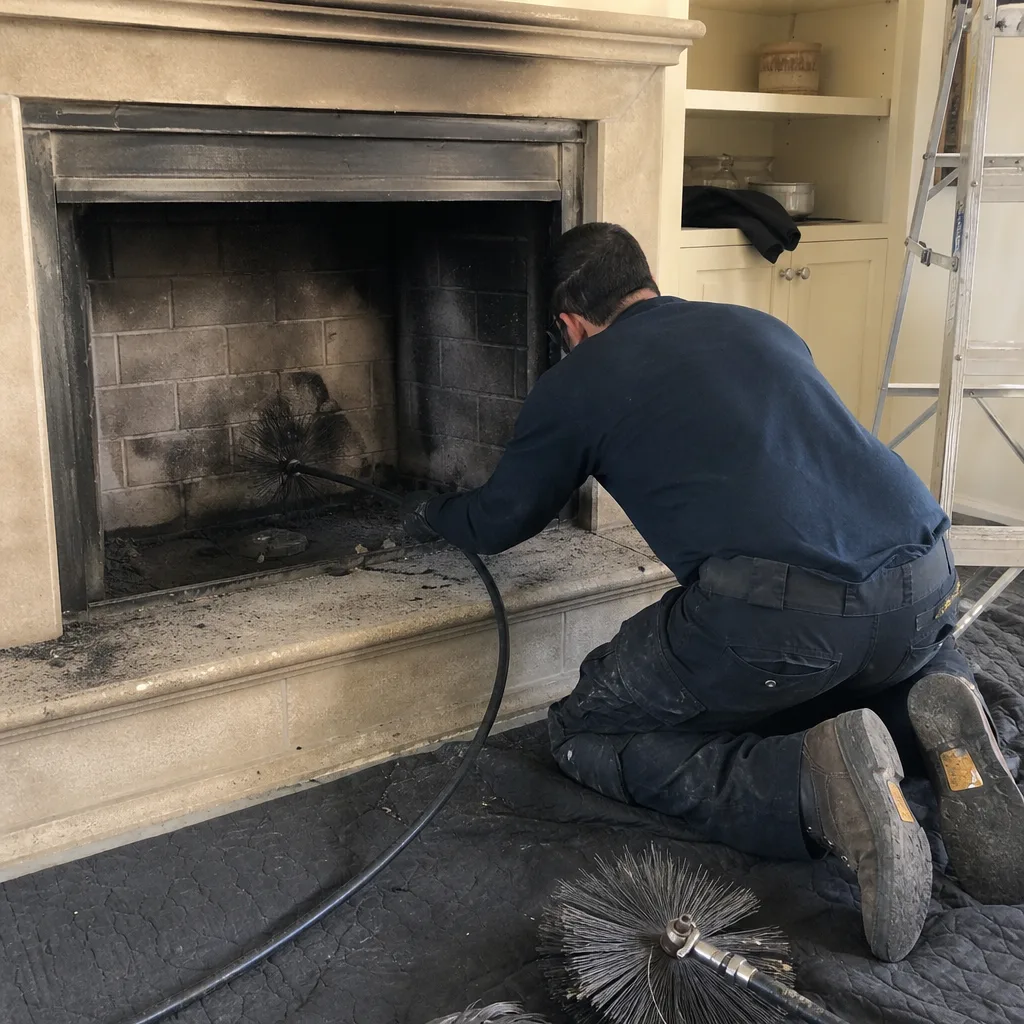 Before
 After
After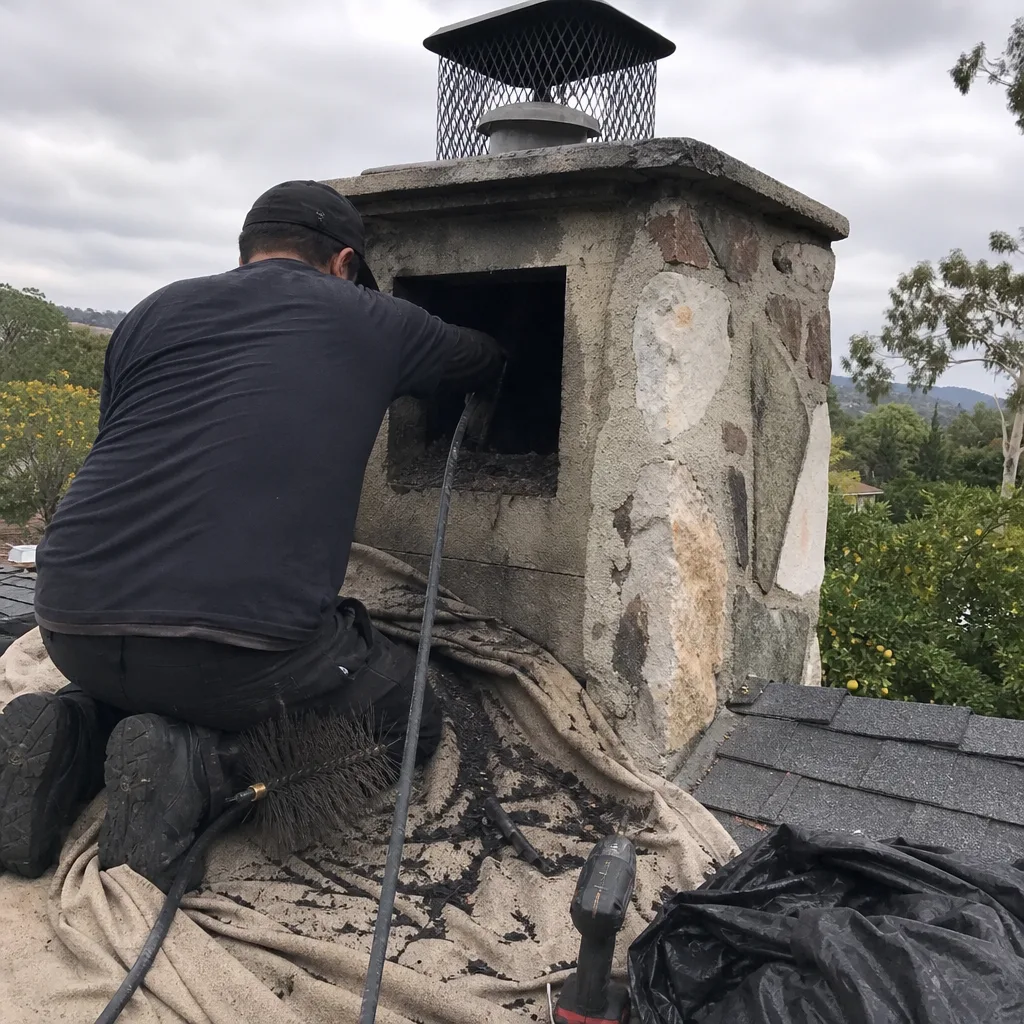 Before
 After
After